The Organisation of Islamic Cooperation has thrown its weight behind a significant defense accord linking three strategically important Muslim-majority nations, signalling broad support within the Islamic world for closer security coordination. The Mecca Joint Defence Agreement, inked during a trilateral summit at Al-Safa Palace, represents a watershed moment in intra-Muslim relations at a time when the broader Middle East and South Asia grapple with mounting geopolitical tensions and transnational security threats.
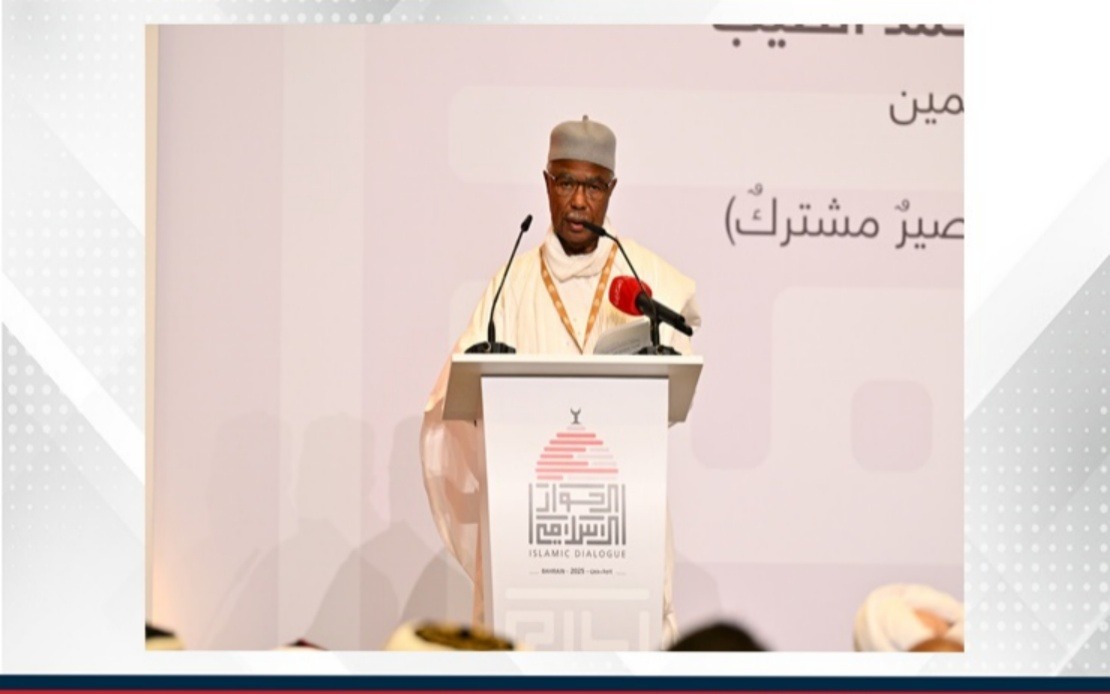
OIC Secretary-General Sharein Brahim Taha issued a formal statement expressing robust backing for the pact, characterizing it as an important strategic initiative that demonstrates the three signatories' commitment to deepening regional cooperation and fostering international stability. Taha's remarks underscored how the agreement aligns with the OIC's broader mandate of promoting solidarity among its 57 member states and advancing shared interests in an increasingly volatile global environment. The secretary-general's enthusiastic endorsement carries symbolic weight, as his position places him at the apex of Islamic diplomatic forums.
The tripartite accord was signed by Turkish President Recep Tayyip Erdoğan, Saudi Crown Prince Mohammed bin Salman, and Pakistani Prime Minister Shehbaz Sharif, bringing together leaders of three nations with considerable military capabilities and regional influence. The gathering itself held symbolic value, occurring in Mecca, Islam's holiest city, which underscored the religious and cultural dimensions underpinning the security arrangement. This location choice was no accident, serving to anchor the military compact within broader Islamic solidarity narratives.
According to Turkish officials involved in the negotiations, the agreement functions as a defensive cooperation framework explicitly designed to threaten no other nation. Instead, it emphasizes collective commitments to regional peace, international stability, and shared prosperity through coordinated security strategies and burden-sharing mechanisms. This framing attempts to address potential concerns from neighbouring states or major powers by positioning the pact as fundamentally stabilizing rather than destabilising or offensive in character.
The agreement's operative provisions establish a collective security guarantee whereby an armed attack against any single signatory would be treated as an assault against all three parties. This mutual defense clause mirrors traditional alliance structures found in NATO and other multilateral security arrangements, signalling the seriousness with which the three nations view their binding commitments. Such provisions carry significant implications for regional deterrence dynamics, potentially altering adversaries' calculations regarding potential military adventures.
OIC Secretary-General Taha further emphasized that the agreement constitutes a foundational element supporting security and stability across both the region and the broader Muslim world. His language suggested that the OIC views this pact as emblematic of the kind of strategic partnerships needed to address mounting security challenges affecting Muslim-majority states. The growing prevalence of terrorism, proxy conflicts, and great-power competition in Muslim-majority regions lends particular urgency to such coordinated defense initiatives.
Taha also praised the three countries' leadership and diplomatic efforts in bringing the accord to fruition, framing their achievement as historic in scope. The secretary-general's commendation reflected recognition that forging multilateral security agreements among nations with distinct geopolitical interests and regional roles requires sustained political commitment and skilled negotiation. The fact that such an accord could be completed speaks to shifting diplomatic dynamics within the Islamic world.
For Malaysia and other Southeast Asian nations with substantial Muslim populations, the pact carries distinct implications. The agreement demonstrates how major Islamic powers are strengthening defense architectures and regional partnerships, creating precedents that might influence security dynamics closer to home. ASEAN members, several of which are OIC participants, may view the Turkish-Saudi-Pakistani arrangement as either a template for enhanced intra-Muslim cooperation or as evidence of power consolidation among larger Islamic states.
The accord also reflects broader geopolitical realignments reshaping the Islamic world's approach to security challenges. With Pakistan's involvement, the pact extends into South Asia, linking Middle Eastern security concerns with those of the Indian subcontinent. Turkey's participation bridges Europe and Asia, positioning the agreement within broader patterns of regional partnerships that transcend traditional Cold War-era alignments. This triangular arrangement suggests emerging patterns of Islamic-world cooperation that bypass Western-led security frameworks.
Taha's expression of hope that the pact would contribute to achieving peace and prosperity regionally and internationally underscored the OIC's aspirational view of the agreement's potential impact. Rather than viewing it narrowly as a military arrangement, the organization positioned it within a broader vision of security cooperation serving humanitarian and developmental ends. This framing allows the OIC to present the agreement as aligned with principles of peace and collective welfare.
The timing of the agreement warrants consideration, arriving amid ongoing regional conflicts and great-power competition for influence in Muslim-majority areas. The three signatories collectively command considerable military resources, economic clout, and diplomatic influence, making their coordination potentially consequential for regional outcomes. How this partnership develops operationally and whether it catalyzes further Islamic-world coordination remain questions for coming months and years.
For observers in Southeast Asia, the agreement underscores a broader trend of Muslim-majority nations strengthening defense ties and regional partnerships. Malaysia, as an OIC member with growing regional assertiveness, may find the precedent relevant to future discussions about deepening ASEAN-wide security cooperation or building stronger partnerships with distant Islamic powers. The success of Turkish-Saudi-Pakistani coordination could influence how Malaysian policymakers approach defense partnerships and regional security architectures.

