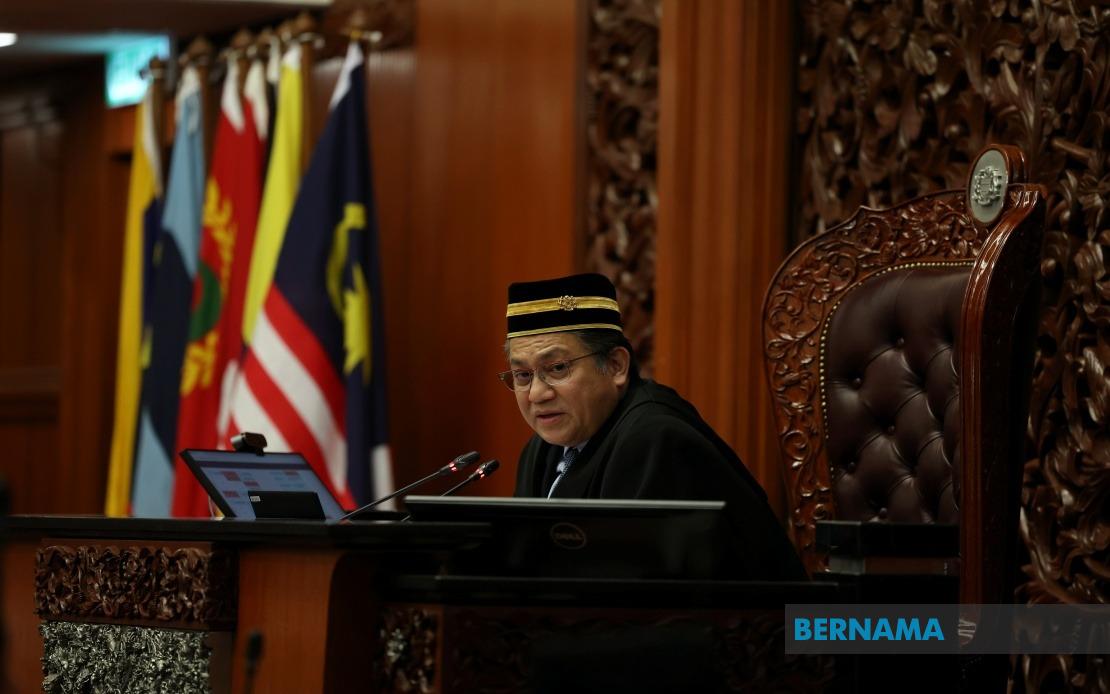
Senator Datuk Nur Jazlan Mohamed will continue in his role as Deputy Speaker of the Dewan Negara following his reappointment for a second consecutive term, extending his stewardship of Malaysia's upper parliamentary chamber through the coming three years. The decision, announced on July 20 during proceedings at Parliament, represents confidence in his leadership as the chamber pursues its legislative agenda under the administration of Prime Minister Datuk Seri Anwar Ibrahim.
The reappointment, formally endorsed by His Majesty the Yang di-Pertuan Agong, grants Nur Jazlan authority to serve until June 14 2029, beginning from June 15 2026. Higher Education Minister Datuk Seri Zambry Abd Kadir presented the sole nomination on the Prime Minister's behalf, preceding the day's question-and-answer proceedings. The unopposed nomination underscores parliamentary consensus regarding his suitability for the position.
Nur Jazlan's continuity in this role reflects his extensive parliamentary and governmental experience accumulated over nearly two decades in public service. The 60-year-old UMNO member, who also holds the position of Pulai Division chief within his party's organisational structure and sits on the UMNO Supreme Council, previously served as Deputy Home Minister between 2015 and 2018. His lengthy tenure as Member of Parliament for Pulai from 2004 until 2018 established him as a significant figure in his electoral division before transitioning to the appointed chamber.
His initial appointment as Deputy Speaker commencing June 2023 demonstrated parliamentary leadership capabilities that the government evidently deems worthy of extension. The deputy speaker role carries substantial administrative and procedural responsibilities, requiring facility with parliamentary rules, diplomatic negotiation among diverse senators, and impartiality in managing debate. Nur Jazlan's demonstrated competence during his initial term suggests these demanding requirements were satisfactorily met.
Alongside Nur Jazlan's reappointment, fellow Senator Mussodak Ahmad also received confirmation for a second senatorial term, sworn in on the same day before Speaker Datuk Awang Bemee Awang Ali Basah. Mussodak's reappointment derives from the Kedah State Legislative Assembly and extends for three years commencing March 20 2026 through March 19 2029. The Kedah PAS secretary previously contested state elections for the Bayu and Guar Chempedak seats, reflecting grassroots political engagement before his appointment to the appointed upper chamber.
Mussodak's initial Senate appointment in March 2023 similarly represented a transition from electoral politics to institutional representation through the Dewan Negara's constitutionally significant role. The concurrent reappointments of both senators signal the continuation of political partnerships and coalitional arrangements that sustain the current parliamentary configuration under Anwar Ibrahim's leadership.
The Dewan Negara functions as Malaysia's constitutional upper house, providing legislative review, policy deliberation, and representation of state and community interests alongside the directly elected lower chamber. The deputy speaker position carries responsibility for presiding over proceedings during the speaker's absence and assisting with administrative functions of the Senate. Nur Jazlan's reappointment ensures continuity in these procedural and governance functions as the chamber navigates complex legislative matters affecting the nation.
For Malaysian political observers and institutional analysts, the reappointment carries implications for parliamentary stability and coalition management within Anwar Ibrahim's administration. UMNO's significant parliamentary presence, reflected in Nur Jazlan's prominent role, indicates the party's continuing integration within current governing arrangements despite historical opposition dynamics. This institutional positioning shapes legislative trajectories for economic policy, constitutional matters, and national development initiatives requiring upper-house scrutiny.
The parliamentary calendar indicates that the Senate's second meeting under the Fifth Term of the 15th Parliament will convene for ten working days commencing July 20 through August 4. This extended sitting period provides substantial opportunity for legislative debate, policy review, and senatorial contributions to national governance. Nur Jazlan's leadership during these proceedings will encompass management of diverse senatorial voices and legislative considerations relevant to Malaysian regional development, federal-state relations, and constitutional implementation.
Nur Jazlan's reappointment also reflects demographic patterns within Malaysia's appointed Senate, where experience and political party affiliation significantly influence senatorial composition. The appointment mechanism, drawing members from His Majesty's selection, state assembly nominations, and institutional representatives, creates a deliberately constructed chamber composition distinct from electoral representation. Nur Jazlan's continuation in leadership of this institution reinforces continuity in these appointed governance structures.
The deputy speaker role positions Nur Jazlan as a significant figure in Malaysia's parliamentary architecture beyond his party positioning. His responsibilities encompass procedural fairness, legislative facilitation, and institutional credibility across diverse political affiliations represented in the appointed chamber. This institutional role demands impartiality that transcends partisan considerations, a balance particularly important given parliamentary polarisation in contemporary Malaysian politics.
Looking forward, Nur Jazlan's three-year term extension through 2029 provides stability in Senate leadership coinciding with significant developmental and policy implementation periods under the current administration. His prior governmental experience in security portfolios and extended parliamentary engagement equips him with institutional knowledge applicable to senatorial oversight functions. The reappointment thus serves both governmental continuity and parliamentary institutional strengthening during a period requiring steady upper-house management.

