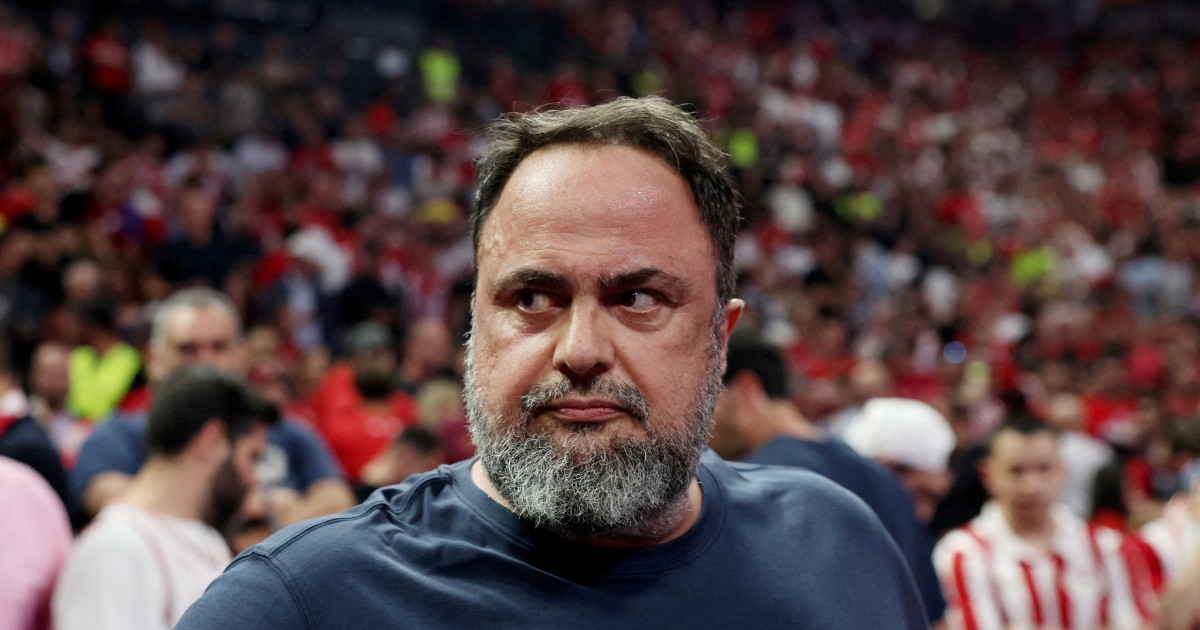
Nottingham Forest owner Evangelos Marinakis has launched a formal libel action through London's High Court against Premier League rivals Crystal Palace, marking an escalation of tensions between the two clubs following an incident involving their respective supporters last season. The legal dispute centres on a provocative banner that Crystal Palace fans displayed at a match, according to multiple media accounts surrounding the Monday filing at the capital's principal civil court.
The decision to pursue formal legal remedies underscores the increasingly fraught atmosphere surrounding football club rivalries in England's top division, where disputes between ownership figures and rival fan bases have become more contentious in recent years. Such litigation is relatively uncommon within English football, where most disagreements between clubs are typically resolved through regulatory channels or the Football Association rather than civil courts. The recourse to judicial proceedings signals the gravity with which Marinakis views the alleged transgression.
Marinakis, a prominent Greek shipping magnate and businessman, has held ownership of Nottingham Forest since 2017, overseeing the club's remarkable resurgence from the Championship into the Premier League after a 23-year absence. His tenure at the City Ground has been marked by substantial investment and a commitment to restoring the storied club to prominence. However, his stewardship has occasionally been accompanied by controversies, making this legal action a notable development in his management style.
Crystal Palace, based in south London, remains one of the Premier League's established institutions with considerable support in the capital. The club's fans are known for their passionate engagement during matches, and supporter-organised displays—including banners and choreography—form a significant part of matchday culture at Selhurst Park. The specific nature of the banner that prompted the lawsuit has not been publicly detailed by either party, though reports suggest it contained material deemed inflammatory by the Forest ownership.
The deployment of legal action represents a significant shift in how club owners increasingly address perceived slights from opposing supporters. Rather than dismissive responses or statements through official channels, Marinakis's decision to initiate civil proceedings demonstrates an assertive stance in protecting what he and his legal representatives evidently view as serious reputational damage. This approach mirrors similar situations in international football where wealthy club owners have pursued defamation claims against individuals or groups.
For Malaysian football enthusiasts and those following the Premier League, this dispute illustrates the complex intersection of supporter culture, club governance, and individual rights within professional sport. English football has long maintained traditions of robust supporter expression, yet the boundaries between passionate advocacy and potentially harmful conduct remain contested. The High Court proceedings may ultimately define these limits more clearly, setting precedent for how similar disputes are addressed in the future.
Crystal Palace has not yet made a formal public statement regarding the lawsuit, though the club faces the prospect of protracted legal proceedings should the case proceed to trial. The financial and reputational implications for both parties are substantial, particularly given the visibility of such disputes within football circles and broader media coverage. The outcome may influence how clubs and ownership structures respond to supporter conduct in the future.
The incident occurs within a broader context of changing attitudes toward supporter conduct at Premier League matches. Regulatory bodies, including the FA and individual clubs, have intensified focus on banner displays and messaging, particularly where content relates to individuals' personal characteristics or alleged conduct. Standards governing acceptable supporter expression have evolved considerably, though disagreement persists regarding where precisely the line should be drawn.
This case may carry particular resonance for English football's governance structures. The Premier League, the FA, and other regulatory bodies will likely monitor the proceedings given potential implications for how future supporter conduct disputes should be managed. Should the High Court uphold Marinakis's claims substantially, it could embolden other club owners and officials to pursue similar legal avenues, fundamentally altering the relationship between supporter culture and institutional authority within professional football.
The legal timeline for such proceedings typically extends over many months, with discovery of evidence, potential settlement negotiations, and preliminary hearings preceding any full trial. Both parties will need to prepare comprehensive legal documentation, and the case may ultimately be resolved through negotiated settlement rather than contested judgment. The expense and attention associated with High Court proceedings frequently encourage such outcomes, particularly where both sides recognise the public relations dimensions of continued litigation.
For the broader Premier League landscape, this dispute serves as a reminder of the increasing professionalization and legalization of football club operations. Where disputes once remained within football's internal structures, contemporary club management increasingly incorporates external legal frameworks and civil remedies. This evolution reflects both the substantial financial interests now embedded within football clubs and the prominent public profiles of modern ownership figures who view their reputations as assets warranting active legal protection.

