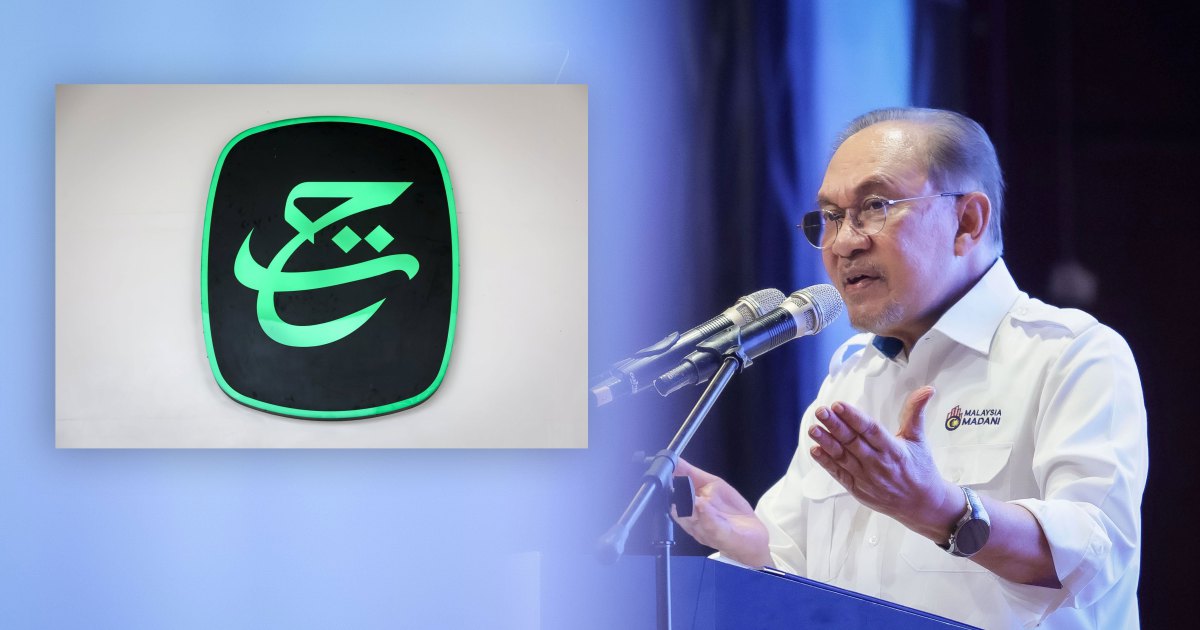
Prime Minister Anwar Ibrahim has issued a stark warning that nobody connected to Lembaga Tabung Haji's financial deterioration and misappropriation of power will escape accountability, signalling the government's determination to pursue legal remedies against those found culpable. Speaking in Jelebu, Anwar underscored that the administration intends to move beyond rhetoric, committing to formal investigations followed by prosecution wherever the evidence warrants such action. This stance represents a significant pledge to Malaysia's pilgrimage savings body, which has experienced considerable difficulties in recent years affecting hundreds of thousands of contributors.
The Lembaga Tabung Haji, established as a trusted repository for Malaysian Muslims' hajj savings, has faced mounting scrutiny over mismanagement and questionable financial decisions that depleted resources earmarked for pilgrims. The scale of these losses has drawn intense public concern, particularly among ordinary Malaysians who entrusted their funds to the institution with expectations of prudent stewardship. The hajj levy and savings contributions represent genuine hardship money for many families, making breaches of fiduciary responsibility especially egregious in the eyes of the Muslim community.
Anwar's declaration arrives as authorities examine the circumstances surrounding TH's deteriorating balance sheets and instances where officials allegedly exercised authority beyond their legitimate scope. The investigation phase will prove critical, as prosecutors must establish clear links between individual decision-makers and the organisation's financial collapse. This process demands rigorous examination of board minutes, investment decisions, procurement procedures, and the approval chains that permitted questionable transactions to proceed unchecked.
The implications for Malaysian institutional governance extend beyond Tabung Haji itself. When major bodies entrusted with citizens' welfare demonstrate poor stewardship, public confidence in state-linked enterprises suffers broadly. Singapore and other regional neighbours have demonstrated that firms with transparent governance and swift accountability mechanisms maintain stronger reputational standing and operational effectiveness. Malaysia's approach to prosecuting corporate misconduct at major institutions signals whether the nation prioritises genuine reform or performative gestures.
For the hajj community specifically, recovery of misallocated funds remains paramount. Many pilgrims have delayed their spiritual journeys due to the institution's financial constraints, creating bottlenecks in the pilgrimage quota system. Establishing accountability measures may enable recapitalisation initiatives, allowing TH to return to its foundational mission of facilitating access to hajj for Malaysian Muslims across socioeconomic brackets. Restoration of institutional credibility requires visible consequences for those who breached their obligations.
The prosecutorial route represents a departure from historical Malaysian patterns where senior figures involved in institutional mismanagement sometimes faced muted consequences. Anwar's administration appears committed to demonstrating that no position affords immunity, though success depends on the quality of evidence gathered during investigations and the resilience of prosecutors against potential political or corporate pressure. Previous accountability initiatives in Malaysia have sometimes faltered when facing influential defendants.
Regionally, Malaysia's approach to institutional corruption carries weight as a Muslim-majority nation addressing failures within an Islamic financial structure. Other Organisation of Islamic Cooperation members wrestling with similar challenges may observe whether transparent investigation and prosecution mechanisms actually materialise. Such demonstration effects influence whether international investors and diaspora communities view Malaysia as serious about governance standards.
The path forward requires coordinated action across multiple agencies. Investigating authorities must secure comprehensive documentation, interview relevant personnel, and construct watertight cases that withstand legal challenge. The Attorney-General's chambers must allocate sufficient resources to prosecution, considering that complex corporate cases demand specialised expertise and sustained commitment. Delay or procedural missteps could undermine public faith in the accountability process itself.
Stakeholders expect detailed findings explaining how significant losses accumulated, identifying individual decisions that precipitated financial decline, and clarifying whether deliberate misconduct occurred or whether incompetence and poor governance frameworks bore primary responsibility. The distinction matters legally and reputationally, shaping both the severity of charges and public understanding of institutional failures. Transparency regarding investigation findings, within legal boundaries, will signal whether authorities conducted rigorous enquiries.
Tabung Haji's trajectory illustrates broader challenges facing Malaysian state-linked enterprises navigating complex investment landscapes and operational pressures. Without robust internal controls, independent oversight, and genuine accountability mechanisms, even well-intentioned organisations drift toward dysfunction. Anwar's commitment to prosecution represents one component of necessary reform, but sustainable institutional health requires structural changes alongside personnel accountability.
Moving forward, Malaysian policymakers should examine whether TH's governance framework requires restructuring to prevent recurrence. Regular independent audits, clearer authority boundaries, diversified investment committees insulated from unilateral decision-making, and transparent reporting standards could strengthen institutional resilience. International best practices from comparable pilgrimage funds in other Muslim-majority nations offer models for consideration, balancing operational autonomy with stakeholder protection.
The hajj community anticipates seeing investigations yield meaningful results within reasonable timeframes. Public trust hinges not merely on announcements but on demonstrable progress through completed probes, filed charges, and concluded trials. Anwar's commitment reflects legitimate public expectations that those managing collective resources face genuine consequences for failures, establishing a precedent that institutional position offers no sanctuary from accountability.

