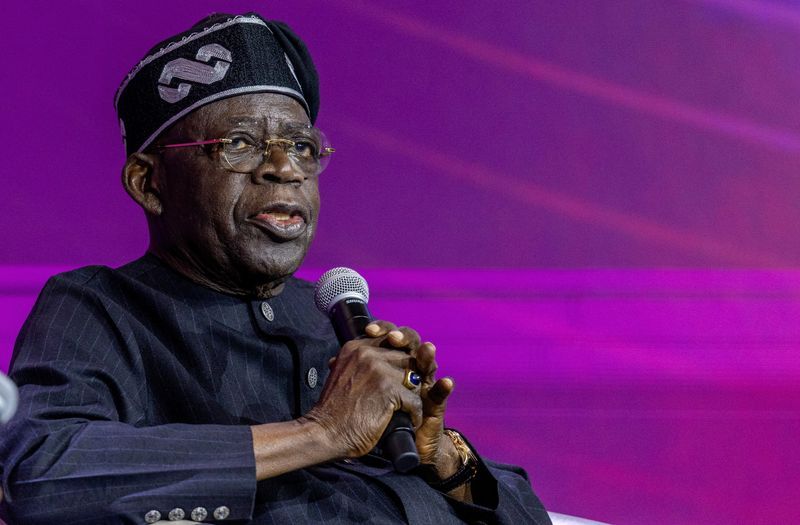
Nigeria's competition regulator has begun a formal investigation into major global technology companies following directives from President Bola Tinubu, targeting what local media organisations describe as unfair commercial practices around news content distribution and artificial intelligence development. The Federal Competition and Consumer Protection Commission announced the inquiry on Monday, responding to formal complaints lodged by the Nigerian Press Organisation, which collectively represents newspaper proprietors, journalists' unions, television and radio broadcasters, and digital publishers across the country.
The scope of the investigation extends to several international platforms that dominate Nigeria's digital ecosystem, with specific focus on Meta, Alphabet, X, and various generative artificial intelligence systems operating within Nigerian territory. While the tech giants have not publicly responded to the allegations, the probe represents a significant moment for African digital regulation, marking one of the continent's most prominent attempts to hold multinational technology firms accountable for their content-related business practices.
At its core, the investigation addresses a grievance that has become increasingly common among publishers worldwide: technology companies harvest news content created by professional journalists and media organisations, then use this material to attract users and advertising revenue without providing appropriate compensation to the content creators. The FCCPC's mandate encompasses examining claims of market dominance abuse, anti-competitive behaviour, the unauthorised extraction of copyrighted news and broadcast material, and the controversial practice of using published journalistic content to train artificial intelligence models without publisher consent or payment.
The timing of Nigeria's action reflects a broader global movement among regulators grappling with the economic power of technology platforms. South Africa's competition authority achieved notable success in this arena, securing a 688 million rand, approximately 42 million dollars, media support package from Google and YouTube following a comprehensive market inquiry into digital platforms' impact on news media economics. This precedent provides Nigeria with a concrete template for what regulatory outcomes might look like, suggesting that African countries are increasingly willing to challenge multinational tech companies on behalf of domestic media industries.
International precedents abound. France imposed a 500 million euro fine on Google in 2021 specifically for failing to negotiate fairly with news publishers and for breaches connected to how artificial intelligence systems utilised publisher content without authorisation. Australia and Canada have gone further, implementing statutory bargaining frameworks that legally require technology companies to negotiate payment agreements with news organisations. These jurisdictions recognised that market forces alone would not compel fair compensation, necessitating legislative intervention to establish baseline standards for content use and remuneration.
The FCCPC statement carefully noted that the investigation operates without presuming any wrongdoing, with all implicated parties entitled to present their positions before final determinations are made. This procedural fairness language is significant, suggesting Nigeria's regulators understand the complexities involved and seek to build a defensible legal foundation for any eventual action. The investigation will likely prove technically challenging, requiring the regulator to establish clear evidence of market dominance, quantify the value of extracted content, and demonstrate causal links between unauthorised content use and competitive disadvantage for Nigerian publishers.
For Malaysian readers and Southeast Asian observers, Nigeria's regulatory approach carries important implications. The region's own media companies face identical challenges from technology platforms, yet regulatory responses remain fragmented and inconsistent across ASEAN nations. Malaysia, Singapore, Indonesia, and Thailand have each grappled separately with how to manage technology company conduct, but coordinated regional approaches remain elusive. Nigeria's investigation demonstrates that even countries with more limited technological infrastructure than developed Western economies can mount credible regulatory challenges against multinational platforms.
The investigation also highlights a fundamental tension in modern digital economies: the value generation asymmetry between content creators and distribution platforms. Journalists, photographers, and editorial teams invest substantial resources in newsgathering, verification, and reporting, yet technology companies often capture the majority of advertising revenue and user engagement flowing from this content. Generative AI systems amplify this imbalance by allowing platforms to train sophisticated models on published material without explicit compensation mechanisms. Nigeria's action suggests growing impatience with arguments that such arrangements represent inevitable features of digital disruption rather than exploitable business practices requiring regulatory correction.
The investigation's scope regarding artificial intelligence training is particularly noteworthy given the explosive growth of generative AI systems globally. Unlike earlier disputes about search engine snippets or social media sharing, AI training involves systematic ingestion of vast quantities of copyrighted material to build language models. Publishers argue this constitutes commercial use deserving compensation, while technology companies typically contend that such use falls within fair dealing or fair use doctrines. Nigeria's regulator will need to grapple with these contested legal interpretations while considering the broader public interest in AI development.
Success in this regulatory effort could reshape how technology companies operate across Africa. A decisive Nigerian outcome establishing compensation requirements or restrictions on content use might encourage similar action from other African nations, potentially creating a regulatory momentum that forces platforms to reassess their business models continent-wide. Conversely, if the investigation proves inconclusive or if companies successfully demonstrate compliance with existing legal frameworks, it could signal to other potential regulators that challenging established technology giants yields limited practical benefits.
The investigation also underscores Nigeria's growing assertiveness in technology regulation more broadly. The country has emerged as Africa's leading digital economy and technology hub, with significant venture capital activity, thriving startup ecosystems, and substantial internet penetration. This technological sophistication enables the FCCPC to undertake sophisticated regulatory investigations that less-developed African nations might struggle to execute. Nigeria's position as a regional technology leader enhances its credibility in challenging multinational tech firms and provides leverage that smaller African economies lack.
Looking forward, the investigation will likely extend over months, potentially involving detailed submissions from all parties, technical analysis of market conditions, and expert testimony on competition economics and content valuation. The FCCPC's final determinations could establish precedent-setting requirements for how technology companies must handle news content, potentially including mandatory licensing agreements, revenue-sharing formulas, or restrictions on using publisher material for AI training. Whatever emerges from this process will inevitably influence how other African nations approach similar regulatory questions, making Nigeria's investigation consequential far beyond its immediate commercial implications for local media companies.

