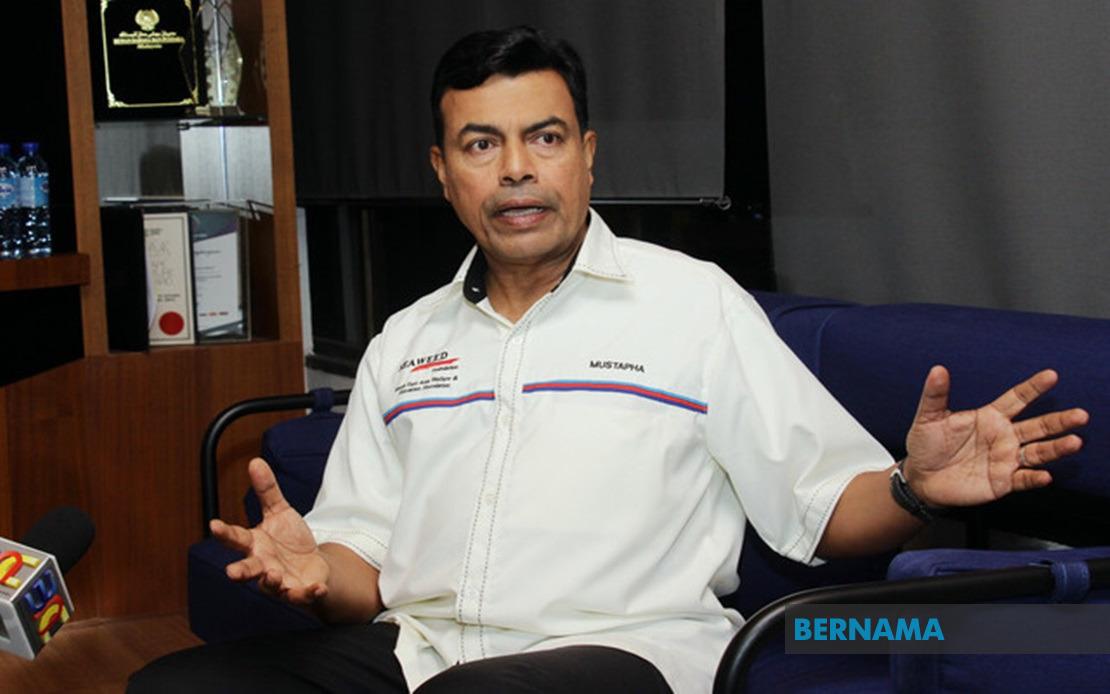
The Education Ministry should create a dedicated institutional body responsible for overseeing student safety and welfare across Malaysian schools, according to a leading non-governmental organization focused on educational standards in the region. Speaking in Semporna, Datuk Dr Mustapha Ahmad Marican, chairman of the South East Asia Welfare and Education Foundation (SEAWEED), made the case that such an entity would allow teachers to concentrate on their core pedagogical responsibilities rather than managing an expanding array of disciplinary concerns that increasingly demand specialized attention and resources.
The proposed agency could operate either as a division within the Ministry of Education itself or as an independent statutory body granted its own enforcement powers and administrative authority. Mustapha emphasized that this approach would represent a rationalization of how schools handle safety matters, moving away from the current system where individual educational institutions must shoulder responsibility for everything from preventing weapons from entering campuses to detecting and responding to bullying incidents. This fragmented approach, he suggested, creates inconsistencies in how safety threats are identified and addressed across Malaysia's diverse school system.
The proposal draws inspiration from international best practices already embedded in mature education systems. Both the United Kingdom and Australia have established dedicated frameworks and agencies specifically designed to monitor and enforce student safety standards within schools. These jurisdictions treat child protection and campus security as specialized domains requiring dedicated expertise, infrastructure, and accountability mechanisms rather than treating them as ancillary responsibilities that teachers must fit into already overcrowded schedules. Malaysia, Mustapha argued, could benefit considerably from adopting similar institutional approaches suited to local contexts.
One of the critical challenges facing Malaysian schools involves the persistent problem of bullying, which frequently escalates into physical violence causing documented injuries among the victim population. Mustapha stressed that incidents resulting in injury must be treated with appropriate gravity rather than dismissed as typical schoolyard conflicts. The current approach often fails to provide the investigative rigor, psychological support, and preventive measures necessary to address bullying comprehensively, leaving schools reactive rather than proactive in managing interpersonal conflicts among their student bodies.
Beyond bullying, Malaysian schools contend with additional safety threats including gangsterism activities and unauthorized weapons brought onto campus grounds. These represent distinct but interconnected challenges that demand coordinated responses. A dedicated safety body could implement and enforce uniform protocols for identifying students at risk of gang recruitment, monitoring known gang activities within school zones, and implementing prevention programs that address the underlying social factors driving youth into organized groups.
Musapha advocated for comprehensive research into the bullying phenomenon that would integrate psychological and mental health dimensions into the analysis. Such investigation would move beyond recording incidents toward understanding the emotional and behavioral patterns that contribute to bullying dynamics. Understanding whether bullying stems from peer pressure, family circumstances, social media influences, or psychological conditions would enable schools to design interventions targeting root causes rather than simply punishing symptoms. This evidence-based approach would represent a significant departure from traditional disciplinary systems focused primarily on consequences rather than prevention and rehabilitation.
A critical practical measure involves implementing systematic bag inspections at school entry points, a mechanism designed to prevent students from bringing knives and other sharp implements onto campus. Such checks would need to be conducted with appropriate respect for privacy and dignity while maintaining effectiveness in detecting contraband. Mustapha positioned regular inspections as a reasonable precautionary measure given documented incidents of weapons being used in school violence across the region. The presence of knives and similar items on campus creates acute danger not only during planned confrontations but also during spontaneous conflicts that might otherwise resolve without causing serious injury.
The institutional restructuring Mustapha proposed would effectively shift responsibility for safety oversight from individual school administrators and teachers—many of whom lack specialized training in child psychology, conflict resolution, or threat assessment—to professional specialists equipped with appropriate credentials, training, and support systems. This reallocation would acknowledge that modern school safety involves complex technical, psychological, and procedural elements that extend well beyond traditional educator competencies.
For Malaysia's education sector, which has increasingly grappled with high-profile incidents involving student violence and bullying, the establishment of such a body could represent a watershed moment in how the nation approaches the comprehensive well-being of its young population. By institutionalizing safety oversight, the Education Ministry would signal that student protection constitutes a systemic priority deserving dedicated resources and expert attention. The proposal also reflects broader regional recognition that education systems must evolve beyond their traditional academic focus to encompass the full spectrum of student welfare, from physical security through psychological support and healthy peer relationships. Implementation would require careful legislative groundwork, adequate funding, and coordination across multiple government agencies responsible for youth welfare, law enforcement, and mental health services.

