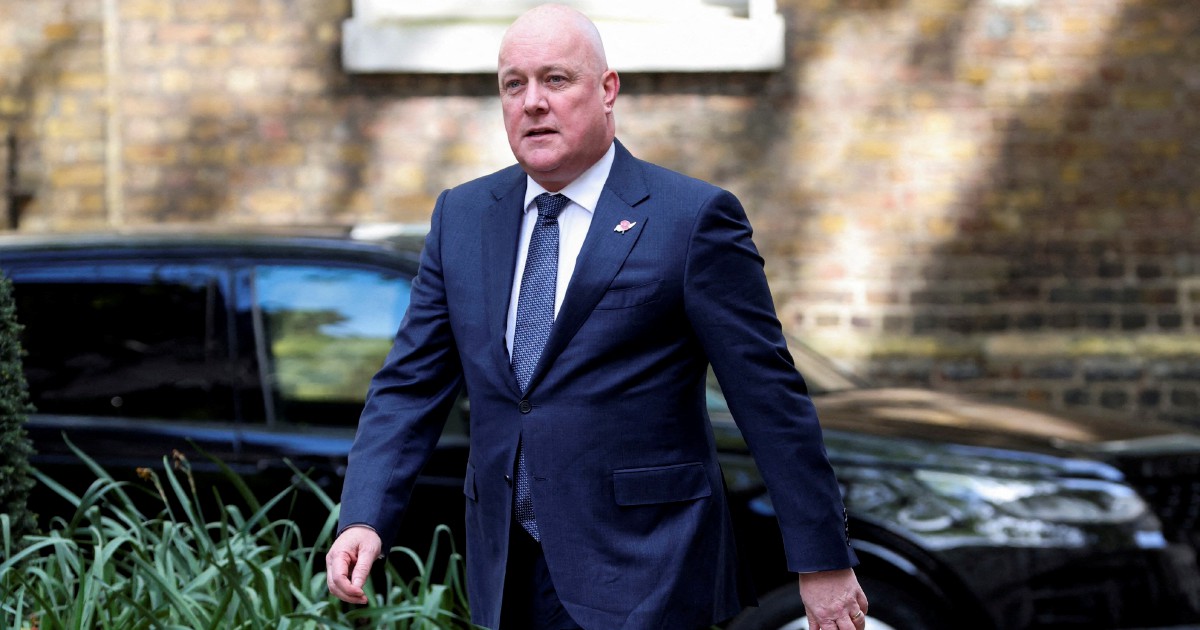
New Zealand Prime Minister Christopher Luxon has emerged unscathed from an internal leadership challenge that threatened to destabilise his centre-right National Party with less than three months remaining before the country heads to the polls. Speaking from the capital Wellington, Luxon asserted on Wednesday that he retained the complete confidence of his governing coalition members, effectively neutralising a challenge that could have derailed his election momentum at a critical moment.
The emergence of a leadership contest this close to a general election underscores the precarious nature of political coalitions in New Zealand's mixed-member proportional voting system, where smaller parties hold considerable sway. Luxon's ability to dispatch the challenge quickly suggests he has built sufficient political capital within the National Party caucus to weather internal dissent, even when critics question his leadership style or policy direction. The swift resolution reflects both his personal authority within the party and the reluctance of dissenters to risk appearing divided before voters.
For Malaysian observers of regional politics, the incident highlights how even ostensibly stable coalition governments can face destabilisation when electoral fortunes shift or internal figures challenge the status quo. In New Zealand's case, the National Party's electoral prospects appear sufficiently strong that would-be challengers recognised the futility of pressing their case at such a late stage. This contrasts sharply with coalition politics in Malaysia, where power transitions between coalitions occur far more regularly and internal party challenges often succeed, reflecting different constitutional arrangements and party dynamics.
The timing of the challenge carries particular significance for international observers. New Zealand elections typically generate substantial regional attention, particularly in Australia and across the Pacific, where New Zealand's economic performance and policy direction influence broader regional stability. The National Party's ability to maintain unity despite internal tensions sends a signal to markets and regional partners that the government remains focused and capable of delivering policy continuity regardless of the electoral outcome.
Luxon's coalition arrangement with smaller parties, a feature necessitated by proportional representation, creates additional complexity absent from two-party systems. These smaller coalition partners wielded their own pressure on the Prime Minister during this period, with their continued cooperation dependent on satisfaction with government direction and the distribution of ministerial positions. The challenge therefore carried implicit threats regarding coalition stability should Luxon's authority be undermined or questioned by his own party members.
The leadership challenge also reflects broader voter sentiment in New Zealand, where economic pressures including inflation, housing costs, and employment dynamics create dissatisfaction with incumbent governments. Opposition Labour Party and Green Party MPs likely monitored the unfolding situation carefully, recognising that visible internal conflict could provide ammunition for their own electoral campaigns. Conversely, the National Party's rapid closure of the challenge suggests confidence that party discipline remains intact and that voters can be persuaded to focus on forward-looking economic policy rather than internal management struggles.
From a governance perspective, the incident demonstrates how personalised leadership contests can emerge even when parties maintain strong institutional structures. Luxon's positioning as a businessman with significant commercial experience appears to have provided him with a degree of authority that transcends typical political seniority, lending him credibility with party members nervous about economic management in challenging times. This background distinguishes him from traditional career politicians and may have influenced caucus members' calculations when deciding whether to support a challenger.
The resolution occurs against a backdrop of New Zealand's economic challenges, including the RBNZ's efforts to combat inflation through interest rate adjustments that have impacted mortgage holders and consumer confidence. Voters preoccupied with cost-of-living pressures may view the internal party drama with indifference or mild irritation, potentially benefiting whichever party can project unity and focus on tangible policy solutions. The National Party's swift handling of the challenge therefore serves a strategic electoral function beyond mere internal management.
For Southeast Asian observers, New Zealand's coalition politics offer a case study in how proportional representation systems create fundamentally different dynamics from the winner-take-all arrangements prevalent in Malaysia or Singapore. The need for post-election coalition building, combined with proportional seat allocation, generates ongoing bargaining and potential instability that first-past-the-post or other electoral systems largely obviate. Understanding these mechanisms provides valuable context for analysing New Zealand's political trajectory and the broader regional implications of its election outcomes.
The situation also underscores the vulnerability of incumbent governments in advanced democracies, where transparent leadership contests and internal party challenges occur regularly without undermining overall system stability. New Zealand's democratic institutions absorbed the leadership challenge without institutional strain, reflecting robust separation of powers and established procedural mechanisms for managing internal party conflicts. This institutional resilience contrasts with political environments where leadership challenges carry more profound implications for governance continuity.
Looking ahead to the election, Luxon's victory in the leadership contest positions the National Party for a disciplined campaign focused on economic competence and policy differentiation. Coalition partners will likely maintain their support for the government during the campaign period, recognising that visible splits would undermine their own electoral prospects. The resolution therefore creates a platform for the government to campaign with projected unity and clarity of purpose during the remaining campaign period.

