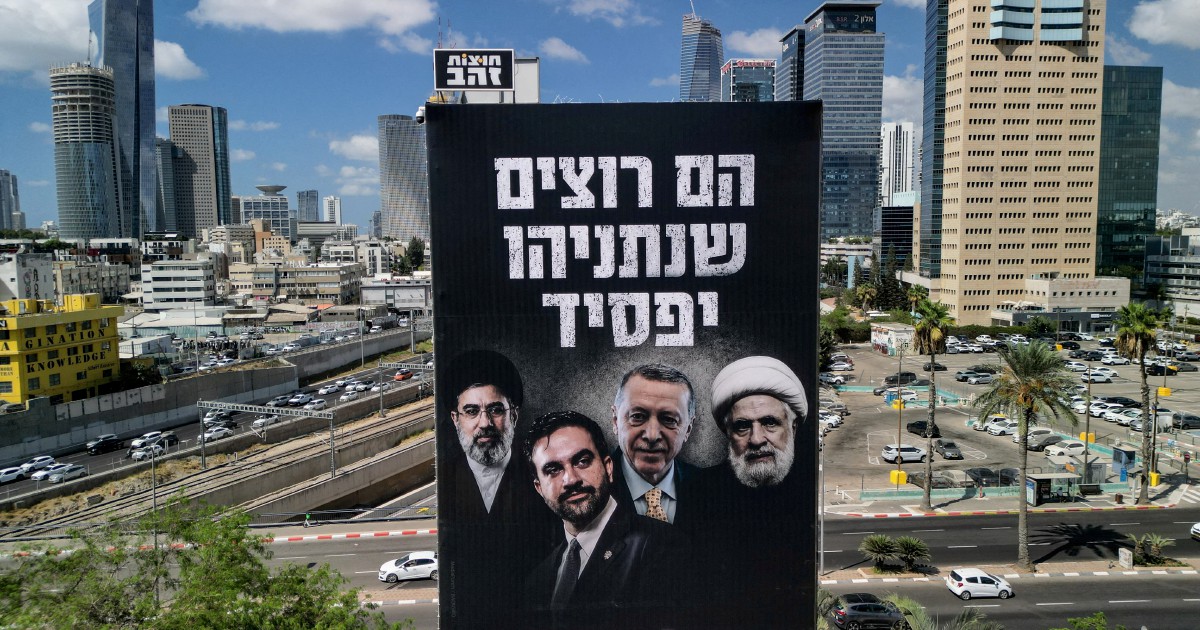
Prime Minister Benjamin Netanyahu's Likud party convened on Monday for an internal candidate selection process ahead of Israel's scheduled October 27 general election, underscoring the high stakes facing the dominant right-wing political force as it prepares for a contest that polling suggests will be fiercely contested.
The timing of the Likud primary reflects broader turmoil within Israeli politics. Netanyahu's government has faced mounting pressure over its handling of security concerns and economic management, with public confidence eroding across multiple demographic groups. The internal party vote to determine which candidates would represent Likud on the October ballot represents a critical juncture in the political calendar, as rank-and-file members effectively signal their confidence in the party's direction and leadership.
For regional observers, particularly in Southeast Asia, the Israeli electoral dynamics carry implications beyond the immediate Middle East context. Shifts in Israeli governance have historically influenced Middle Eastern stability, which in turn affects global trade flows, energy markets, and security arrangements. Malaysian policymakers and regional analysts monitor Israeli elections closely because geopolitical realignments in the Middle East can reverberate through regional shipping lanes, investment patterns, and diplomatic alignments that touch Asia-Pacific interests.
Nikud's weakened competitive position stems from a confluence of factors that have accumulated throughout Netanyahu's tenure. Public dissatisfaction has crystallized around specific policy failures and governance controversies that have fragmented what once appeared to be a solid electoral coalition. The party's internal dynamics reveal fissures between ideological factions, generational divides within the membership, and competing visions about Israel's future direction that the candidate selection process was designed to navigate.
The October 27 election represents an opportunity for alternative political forces to reshape Israeli governance. Opposition parties have mounted increasingly coherent challenges to Likud's dominance, capitalizing on voter frustration and offering contrasting policy frameworks. The competitive terrain that Likud now faces contrasts sharply with previous electoral cycles when Netanyahu's party held commanding leads, suggesting a genuine opening for political realignment.
Internal party elections in Israel function as microcosms of broader political health. The Likud selection process demonstrates how individual party members assess their leadership's viability and electoral prospects. When members vote on candidates, they simultaneously vote with their confidence level in party leadership—a barometer of morale and conviction that translates into campaign energy and grassroots mobilization capacity.
Netzahyu's personal political standing remains tethered to Likud's institutional performance, yet the party's recent trajectory has created distance between the leader and the broader organization. This separation becomes critical during primary elections, when party activists and members make unfiltered judgments about candidates and direction. The Monday vote thus offered insight into whether Netanyahu retains organic support within his own party infrastructure or whether organizational confidence has fundamentally shifted.
The candidate selection process typically involves intense negotiations over list placement, with higher positions on the ballot essentially guaranteeing Knesset seats while lower positions remain subject to electoral arithmetic. These negotiations inevitably produce winners and losers, satisfaction and resentment within the party rank-and-file. For Likud, managing these internal tensions while projecting unity becomes essential for mounting an effective general election campaign against increasingly formidable opponents.
Israeli political culture has evolved considerably around primary elections and internal party democracy. Where many regional democracies rely on backroom selection processes controlled by party elites, Israeli parties have increasingly embraced broader membership participation in candidate selection. This democratization simultaneously reflects and reinforces expectations among rank-and-file members that their voices matter in shaping political direction—expectations that Likud leadership must now satisfy.
The October election will determine whether Netanyahu can reverse recent political losses and rebuild his electoral coalition, or whether Israeli voters have fundamentally repositioned themselves around alternative leadership. Likud's candidate selection represents the party's opening move in this contest, with the quality of candidates and their perceived electability significantly influencing campaign trajectory. How effectively the Likud slate resonates with voters beyond the party's base will partially depend on selections made during Monday's internal process.
Regional stability in the Middle East has historically proven vulnerable to political instability in Israel, whether triggered by electoral surprises or governance failures. Malaysian foreign policy circles understand that Israeli elections carry weight beyond national borders. The October 27 contest therefore warrants attention from Southeast Asian observers concerned with regional equilibrium and international predictability.

