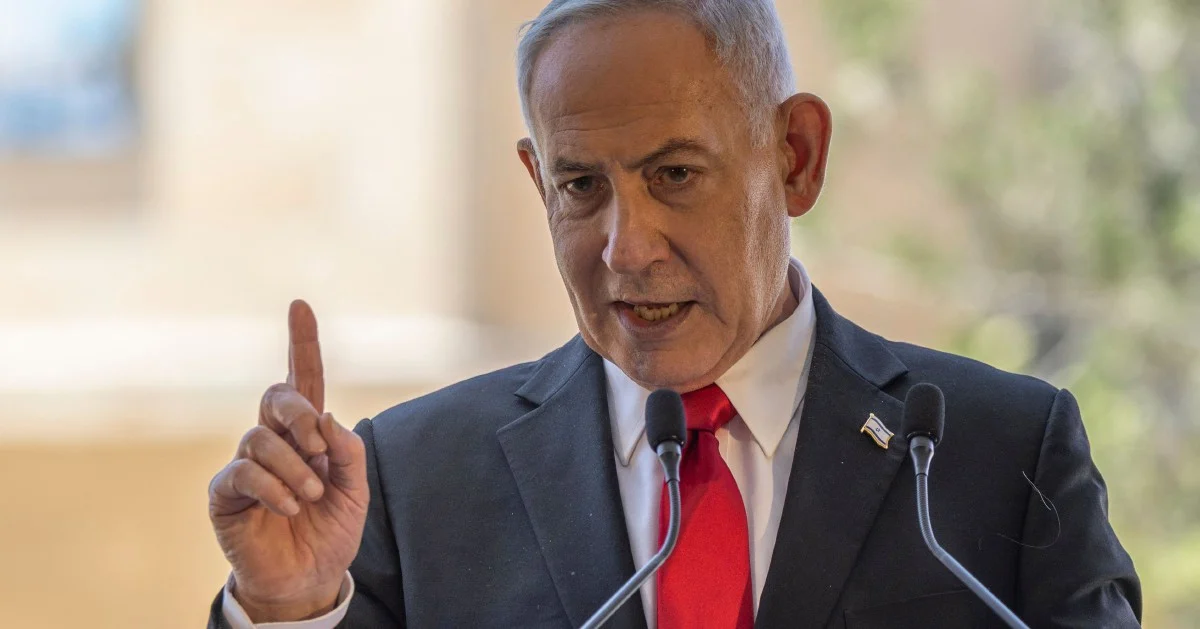
Benjamin Netanyahu's government is mounting an aggressive legislative push to pass a clutch of contentious bills before the Israeli parliament, the Knesset, dissolves in the coming days. With national elections scheduled roughly four months away, the prime minister's administration is racing against the clock to entrench policies and reshape the legal framework governing Israel, a strategy that has triggered fierce condemnation from opposition parties and civil society groups across the political spectrum.
The timing of this legislative offensive underscores a pattern familiar to Israeli politics: governments attempting to lock in preferred policies during the final weeks before dissolution, when the parliament loses its ability to pass new laws. Once the Knesset officially dissolves, a caretaker administration takes office with severely limited powers, unable to introduce or pass legislation of substance. This constitutional reality creates a compressed window during which governing coalitions move swiftly to advance their agenda, often circumventing the deliberative processes that characterise normal parliamentary procedure.
Opposition lawmakers have characterised Netanyahu's legislative agenda as an attempt to consolidate power and alter Israel's institutional structure while his coalition still commands the necessary parliamentary seats. Critics argue that the government is exploiting this final window to push through measures that would face far greater difficulty under normal legislative conditions or in a newly constituted parliament following elections. The opposition's accusations reflect deeper concerns about executive overreach and the politicisation of governance during election periods.
The bills under consideration span multiple policy domains, each carrying significant implications for Israeli society. Some proposals touch on governance structures, while others relate to specific policy areas that have proven divisive within the coalition and among the broader electorate. The sheer volume of legislation Netanyahu's government seeks to advance simultaneously has drawn criticism even from some coalition members, who worry about the precedent being set and the institutional instability such rapid-fire legislative activity might create.
The rush to legislate before elections reflects the precarious nature of Netanyahu's political position. Coalition governments in Israel typically operate on narrow majorities, meaning the prime minister must maintain careful alignment among diverse coalition partners to sustain parliamentary support. As elections approach and coalition discipline weakens, the window for passing legislation shrinks considerably. Parties seeking electoral advantage or negotiating leverage may be less willing to support contested bills as they prepare their independent campaigns.
Israeli opposition figures have framed Netanyahu's pre-election legislative blitz as fundamentally undemocratic, arguing that such significant policy decisions should await the outcome of national elections. They contend that voters deserve the opportunity to weigh in on major institutional changes before implementation, rather than facing these changes as faits accomplis determined by an outgoing government. This argument taps into broader democratic principles about electoral legitimacy and the proper scope of interim governments.
The situation reflects broader tensions within Israeli democracy regarding executive power, parliamentary oversight, and the appropriate constraints on governing coalitions during transition periods. While Israeli law permits legislation during the final pre-dissolution days, the practice remains contested, particularly when bills carry constitutional implications or touch on fundamental institutions. Civil society organisations have joined the opposition in warning about the dangers of concentrated legislative activity aimed at circumventing normal democratic deliberation.
For regional observers, including Malaysian policymakers watching how established democracies manage transition periods, the Israeli case illustrates the vulnerability of parliamentary systems to political gamesmanship. It raises questions about how effectively institutional safeguards can constrain determined governments willing to exploit formal legal authorities to advance controversial agendas. The experience offers cautionary lessons about the importance of robust parliamentary procedures, supermajority requirements for constitutional changes, and mechanisms preventing legislative overreach during election cycles.
The dissolution timeline means Netanyahu's government faces increasing pressure to move quickly or abandon certain legislative ambitions. Every parliamentary day becomes precious as the clock winds down toward official dissolution. This urgency may lead the government to drop less essential bills or compromise on provisions to facilitate passage of priority measures. Coalition dynamics will ultimately determine how much of this agenda succeeds before the Knesset formally ceases functioning.
Israeli media coverage has intensified scrutiny of the government's legislative priorities, with commentators debating whether specific bills represent legitimate policy-making or problematic attempts to entrench power. This public discourse shapes coalition members' calculations about supporting contested legislation, as politicians weigh electoral consequences against loyalty to governing partners. Controversial bills may fracture coalition support precisely when unity is most needed.
The coming weeks will reveal whether Netanyahu's government succeeds in substantially advancing its legislative agenda or whether parliamentary opposition and coalition defections stall the effort. The outcome carries implications beyond Israel's borders, affecting regional stability and international assessments of Israeli institutional resilience. How Israel's democratic processes function during this high-stakes transition period will influence international confidence in the country's governance institutions during an already turbulent period in Middle Eastern affairs.

