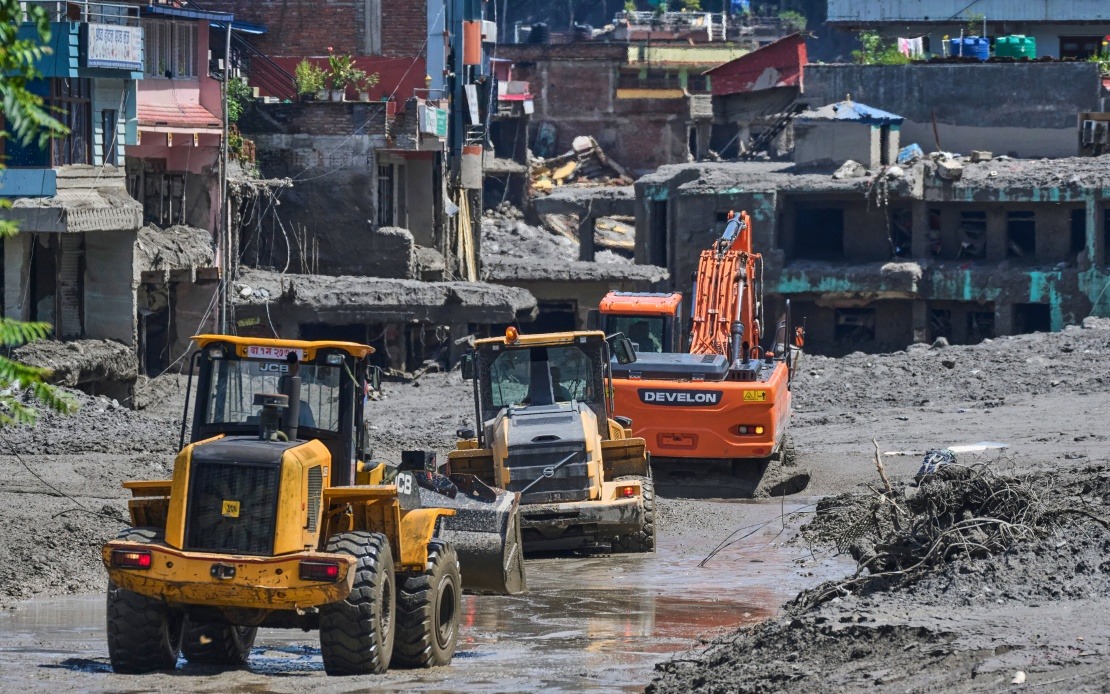
Nepal's administration is throwing its full weight behind emergency response operations in districts ravaged by the Bhote Koshi River flooding that occurred on Wednesday, the country's embassy in Kuala Lumpur confirmed this week. The disaster has inflicted substantial casualties and widespread destruction across multiple communities, prompting coordinated action by federal and provincial authorities to locate survivors, deliver immediate humanitarian aid, and compile casualty figures alongside damage assessments.
The hardest-hit regions span Rasuwa, Nuwakot, Dhading and Gorkha districts, areas already vulnerable to seasonal flooding and landslides due to their mountainous terrain and proximity to major river systems. These four districts contain several towns and villages dependent on fragile infrastructure that the deluge has overwhelmed. Local authorities, emergency services and military personnel have been deployed to affected zones, working against tight timeframes to extract stranded residents from flooded areas and provide basic necessities to displaced populations.
The Office of the Prime Minister and Council of Ministers has publicly called upon domestic and international stakeholders to contribute financial resources toward long-term recovery programmes. This dual-track approach reflects the reality that immediate rescue efforts, whilst critical, represent only the opening phase of a lengthy rehabilitation process. Relocation of displaced households and reconstruction of damaged homes, roads, bridges and utilities will demand sustained investment spanning months or years.
For the Nepali diaspora across Southeast Asia and beyond, the appeal carries particular resonance. Malaysia hosts a substantial population of Nepali nationals employed in construction, domestic work, hospitality and other sectors who maintain strong emotional and financial ties to their homeland. The embassy's outreach to these communities acknowledges their capacity to mobilise resources swiftly whilst recognising the administrative machinery required to channel funds effectively toward verified recovery initiatives.
The Nepali government has designated two primary financial conduits: the Prime Minister's Disaster Relief Fund and the Prime Minister's Relief Fund. These established mechanisms funnel contributions through regulated banking infrastructure, specifically Rastriya Banijya Bank and Nepal Bank Limited, which reduces leakage and ensures transparent allocation. Account numbers and accompanying QR codes published via the embassy's Facebook page streamline the donation process, removing barriers that might otherwise deter potential contributors managing transactions across international borders.
This structured approach addresses a persistent challenge in international disaster relief: channelling goodwill into genuine assistance. By providing verified bank account details and digital payment options, the Nepali authorities have created multiple pathways for supporters to contribute, whether through traditional wire transfers or smartphone-based payment systems increasingly common among diaspora communities. The QR code distribution particularly targets younger, digitally-native populations who might otherwise struggle with legacy banking procedures.
The four affected districts represent economically vulnerable regions where agricultural livelihoods and small-scale commerce form the backbone of local economies. The flooding threatens not only immediate survival but also seasonal harvests, livestock herds, and business operations that sustain families throughout the year. Reconstruction timelines extending into the following agricultural season could compound economic distress, making long-term rehabilitation funding especially critical for communities dependent on seasonal income fluctuations.
For Malaysia's policymakers and civil society organisations, the Nepal flooding serves as a potent reminder of climate-related disaster vulnerability across the Hindu Kush-Himalayan region. Intensifying monsoon patterns and glacial melt have heightened flood frequency and severity throughout South Asia, with implications for regional stability and humanitarian burdens. Malaysian expertise in disaster management, developed through repetitive experience with monsoonal flooding, potentially offers valuable insights to regional counterparts managing similar environmental hazards.
The international response to Nepal's disaster likewise illustrates broader patterns of South-South cooperation that increasingly characterise development assistance. Rather than waiting for traditional donor nations to mobilise resources, Nepal's authorities have activated diaspora networks and established financial channels tailored to overseas community contributions. This approach democratises relief funding, allowing individuals without institutional affiliations to participate directly in national recovery efforts whilst building transnational solidarity among dispersed populations maintaining connections to home territories.
The embassy's appeal to Nepali associations, businesspersons and social workers across Malaysia reflects recognition that community organisations often mobilise resources more rapidly and sensitively than government-to-government aid channels. These networks possess cultural understanding, local presence, and established trust relationships that enable them to coordinate collective action and ensure contributions genuinely reach intended beneficiaries rather than dissipating through bureaucratic overhead.

