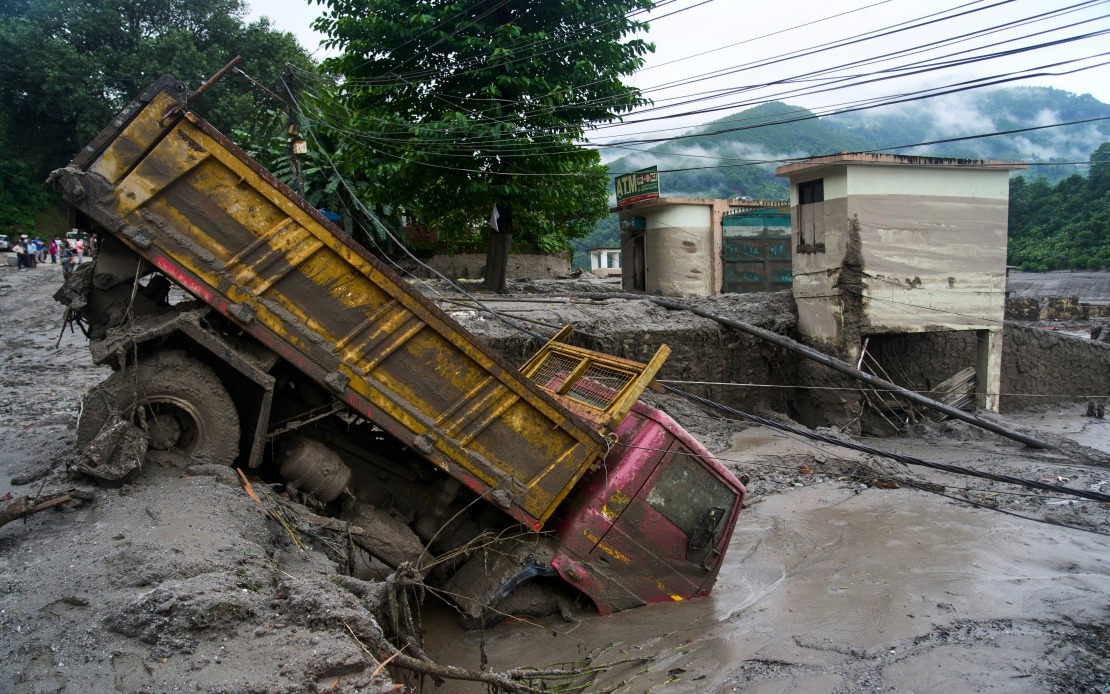
Nepal's National Disaster Risk Reduction and Management Authority has sounded fresh alarms about surging water levels in the Bhote Koshi River, signalling that the mountainous nation faces renewed danger from another possible deluge in the same region hit by calamitous flooding earlier in the week. The warning comes as debris-laden floodwaters have begun rising again in Rasuwa district, precisely where a catastrophic flash flood devastated the area on August 26, underscoring the precarious situation facing rescue workers and residents in the affected valleys.
The NDRRMA issued its alert on Friday after receiving reports of elevated water flows mixed with sediment and organic matter surging downstream through the same stretch of the Bhote Koshi. This renewed hydrological threat emerges at a critical moment when rescue operations remain in full swing and the full extent of the previous disaster continues to unfold. The river system, which drains snowmelt and monsoon rainfall from the high Himalayas, has proven particularly volatile during the summer months when intense precipitation and glacial melt converge to create dangerous conditions.
The death toll from the initial August 26 disaster has climbed to 475 confirmed fatalities, with authorities acknowledging that hundreds of additional people remain unaccounted for as search and rescue teams methodically comb through riverbanks, gorges, and downstream settlements. The missing persons figure underscores the violence and scale of the initial flash flood, which swept away homes, bridges, and infrastructure with devastating speed. Recovery efforts have been hampered by difficult terrain, unstable slopes susceptible to further landslides, and the challenges of accessing remote mountainous communities cut off by destroyed transportation links.
In response to the escalating threat, the NDRRMA has directed all personnel engaged in rescue and relief operations along both the Bhote Koshi and Trishuli river corridors to maintain heightened vigilance and readiness. The advisory specifically targets rescue workers, relief staff, and any remaining residents in designated high-risk zones, instructing them to monitor conditions constantly for warning signs of imminent flooding. The authority has emphasised that anyone detecting indicators of danger must abandon their current positions and relocate to elevated ground without delay, acknowledging that another major flood could arrive with minimal warning.
The Bhote Koshi and its tributary systems form crucial waterways in the Kathmandu Valley region, supporting agriculture, hydroelectric projects, and communities dependent on these water sources. However, the river's narrow gorges and steep gradients make it particularly susceptible to flash flooding during periods of heavy precipitation or rapid snowmelt, creating scenarios where water levels can rise metres within minutes. Climate patterns associated with the South Asian monsoon, combined with increasing glacier retreat in the high mountains, have made such extreme events more frequent and severe in recent years.
Nepal's disaster management infrastructure has been tested repeatedly by successive hydrometeorological catastrophes, yet the recurrence of major floods in similar locations suggests that vulnerability reduction measures and early warning systems require substantial strengthening. The August 26 disaster represents the most recent in a series of comparable events that have affected the Bhote Koshi basin, indicating systemic challenges in predicting and mitigating such hazards. Geographic isolation, limited real-time monitoring equipment in remote areas, and constrained government resources continue to hamper the ability to provide adequate advance notice to affected populations.
For regional observers, particularly in neighbouring countries subject to similar monsoon patterns and Himalayan hydrology, Nepal's repeated experiences with catastrophic flooding carry important lessons about disaster preparedness and climate adaptation. Southeast Asian nations including Malaysia face their own flooding challenges during the monsoon season, making Nepal's struggles with prediction and response particularly relevant. The technical and institutional approaches that Nepal must develop to manage these recurring crises could inform regional cooperation on transboundary water management and disaster risk reduction.
The immediate priority facing Nepalese authorities centres on protecting life and facilitating rescue operations while simultaneously preparing contingency responses should another major flood materialise. This dual challenge demands balancing the continuation of search efforts with the safety of rescue personnel, a calculation that becomes increasingly difficult as the risk environment deteriorates. The NDRRMA's Friday alert reflects the agency's assessment that the hydrological situation remains unstable and unpredictable, requiring maximum caution from all stakeholders involved in response activities.
Beyond the immediate crisis, the repeated flooding of the Bhote Koshi valley points to longer-term questions about settlement patterns, infrastructure placement, and land use practices in Nepal's high-risk river corridors. Post-disaster reconstruction planning must grapple with difficult decisions about whether affected communities should relocate, whether development should be permitted in flood-prone areas, and how to balance economic activities with safety imperatives. International development partners, including organisations providing technical assistance on disaster risk reduction, continue supporting Nepal's efforts to enhance resilience and reduce vulnerability to future catastrophes.

