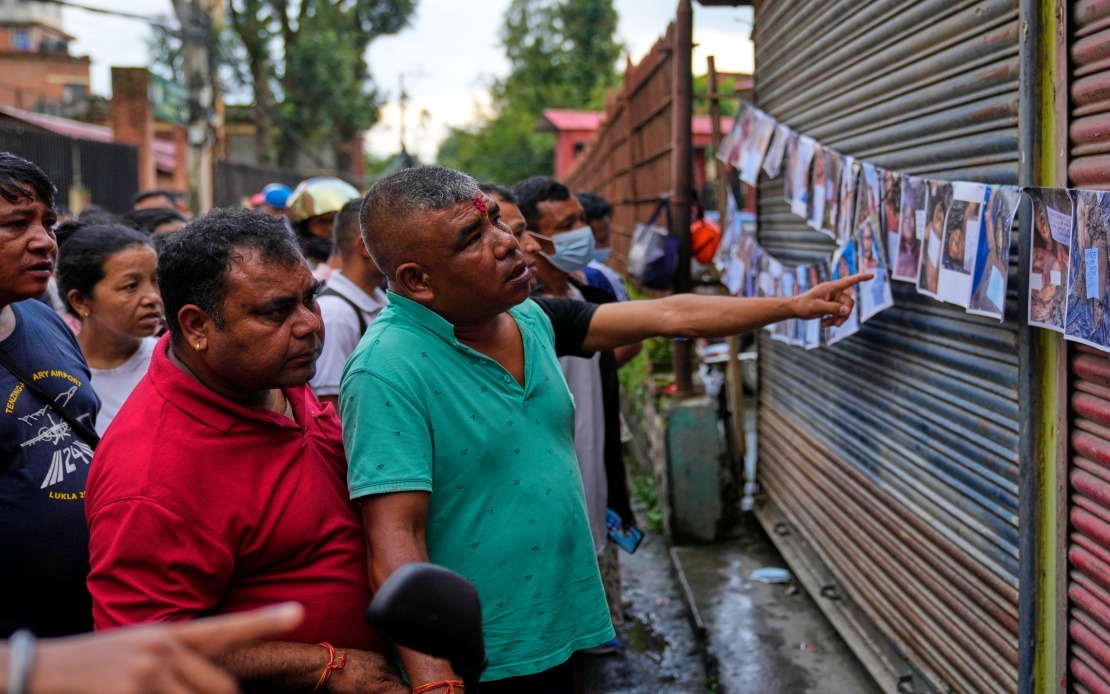
Rescue operations across Nepal's flood-devastated regions progressed into Friday as the confirmed death toll climbed beyond 500 following Wednesday's disaster, which authorities attribute to an unexpected collapse of a Himalayan glacier that unleashed torrential waters through the Bhote Koshi and Trishuli river systems. The catastrophe has gripped regional attention, particularly in Malaysia, where the government faces mounting concern over the welfare of its nationals caught in one of South Asia's most severe recent natural disasters.
Malaysia's Foreign Ministry reported that among 57 Malaysians initially classified as uncontactable following the flooding in Rasuwa district, only two had been confirmed located by Friday afternoon at 2.22 pm, leaving 55 citizens whose status remained uncertain. The Deputy Secretary-General for Bilateral Affairs, Datuk Syed Mohamad Hasrin Tengku Hussin, cautioned that these figures would undergo continuous verification as Nepalese authorities and cooperating agencies provided updated information about survivors and casualties. This cautious approach reflects the inherent difficulties in confirming precise casualty and missing person counts during large-scale humanitarian crises across difficult terrain.
The scale of the Malaysian contingent affected underscores broader patterns of regional tourism in the Himalayan region. Nepal's Department of Tourism, operating under the Ministry of Culture, Tourism, and Civil Aviation, released an extensive list on Thursday evening documenting 537 foreign nationals from more than 30 countries reported missing or unaccounted for. The Malaysian cohort represented among the larger national groupings affected. The official inventory included 51 Malaysian citizens alongside their biographical details, ages, and information about the travel agencies coordinating their expeditions, providing crucial reference points for tracking and verification efforts.
International rescue coordination revealed that 121 foreign nationals had successfully been extracted from the flood-affected zone by Friday, though notably no Malaysians appeared among those accounted for through rescue operations. This absence from confirmed rescue lists compounded anxieties among Malaysian families and government officials monitoring the situation. The focus on foreign nationals in recovery reports reflected the concentration of tourists in the region at the time of the disaster, as many were engaging in adventure tourism activities throughout the Rasuwa district.
The physical devastation wrought by the flood illustrated the magnitude of the event's impact on infrastructure and communities. The initial surge on Wednesday morning produced a powerful deluge that swept through the Bhotekoshi River valley, carrying away vehicles, structures, and individuals. Subsequent downstream flooding along the Trishuli River system compounded damage across multiple districts. Roads connecting communities fractured; bridges collapsed into churning waters; buildings sustained severe structural damage; and entire sections of the transport network degraded into impassability, effectively isolating numerous villages and hampering rescue access.
Challenges facing Nepalese authorities extended beyond active rescue operations to encompass logistics and victim identification. Bodies and human remains were being recovered in districts substantially distant from the initial flooding zone, creating identification difficulties as bodies moved downstream. Morgue capacity in several affected areas reached saturation, forcing authorities to seek alternative arrangements for deceased victim storage. This bottleneck in victim processing represents a persistent challenge in major disaster management, particularly when casualties exceed local mortuary infrastructure capabilities.
Malaysia's diplomatic apparatus mobilized swiftly to coordinate potential assistance deployment to Nepal. The government explored multiple support pathways, including possible deployment of the Malaysian Special Search and Rescue Team (SMART), a specialized unit trained for complex rescue scenarios. Prime Minister Datuk Seri Anwar Ibrahim indicated that assistance could encompass financial contributions, material aid, or the direct deployment of Malaysian rescue personnel. The National Security Council maintained active engagement with the Nepalese government to calibrate the form and scale of assistance according to Nepal's specific operational requirements and available receiving capacity.
The Malaysian Foreign Ministry sustained ongoing verification efforts to establish the current status of all citizens within the affected region. Information flows between Malaysian diplomatic posts in Kathmandu and Kuala Lumpur remained intensive as confirmation processes advanced. The coordination reflected standard Malaysian government protocol in transnational disaster situations, whereby consular officials work systematically to account for national citizens and facilitate family communication when possible.
The glacial collapse that precipitated the disaster highlighted the region's vulnerability to climate-related environmental shifts. Himalayan glaciers have faced accelerating degradation in recent decades, increasing the frequency of sudden water release events. This particular incident demonstrated how apparently localized glacial phenomena can translate into catastrophic consequences for downstream communities within hours. For Malaysia and other nations with citizens regularly engaging in Himalayan tourism, the event raised questions about hazard assessment and risk communication regarding glacial regions, historically considered among Asia's most stable mountain environments.
Regional implications extended beyond immediate casualty concerns to encompass broader questions about tourism management in high-risk environments. The concentration of foreign tourists in Rasuwa district at the time of the disaster underscored the scale of Himalayan adventure tourism operations. Nepal's economy depends substantially on international visitor expenditure, creating inherent tensions between safety considerations and tourism promotion. The incident will likely influence how Southeast Asian countries counsel nationals about high-altitude and glacial-zone trekking, potentially affecting tourism flows and economic patterns across Nepal and adjacent regions.
For Malaysian families with missing relatives, the prolonged uncertainty during the early phase of the disaster created profound anxiety. The staggered confirmation of located individuals highlighted the operational challenges inherent in coordinating information across multiple national jurisdictions during active rescue phases. As verification processes continued, Malaysian authorities prepared for various scenarios, from securing financial assistance for repatriation of deceased to facilitating medical evacuation of injured survivors requiring treatment unavailable locally.

