Negeri Semilan's PKR chapter has formally lodged its slate of prospective candidates with the party's central authority, marking a significant milestone in preparations for the state election scheduled for August 1. The submission encompasses the party's allocation of 16 seats from the state assembly's total complement of 36, with Menteri Besar Datuk Seri Aminuddin Harun confirming the move during a public event in Seremban on July 1.
The nomination document reflects a deliberate effort to balance representation across multiple demographics and experience levels. Aminuddin disclosed that the list contains between three and five potential candidates per constituency, ensuring party strategists have flexibility in final selections. This tier-based approach allows the PKR leadership to assess contenders based on winnability, local standing, and alignment with party principles before announcing the definitive roster.
The diversity criteria underlying the submissions signal PKR's commitment to broadening its political appeal. The candidate pool intentionally incorporates women, younger aspirants expected to energise community engagement, and seasoned political operatives who bring institutional knowledge and established networks. This tripartite composition reflects broader demographic shifts within Malaysian politics and the coalition's stated commitment to inclusive governance.
Within the Pakatan Harapan alliance structure in Negeri Semilan, PKR assumes the largest role, contesting 16 seats compared to DAP's 11 and Amanah's nine. This distribution effectively positions PKR as the dominant coalition partner in the state, a status underscored by Aminuddin's concurrent role as state PH chairman. The allocation was formally determined on June 13, settling weeks of internal coalition negotiations that typified pre-election coordination among the three-party opposition bloc.
Aminuddin expressed confidence that DAP and Amanah have completed parallel submission procedures with their respective central structures. Coordinating candidate announcements across three distinct party organisations demands careful logistical planning and strategic messaging. The Menteri Besar indicated the coalition partners are jointly searching for an appropriate announcement date, suggesting a unified launch event may be in the offing rather than staggered individual revelations.
The Electoral Commission has constructed a compressed election calendar that concentrates key procedural dates within a three-week window. Nomination day arrives on July 18, providing candidates roughly two weeks between official party announcements and the formal submission deadline. Early voting follows on July 28, allowing registered voters meeting eligibility criteria to cast ballots before election day, a mechanism increasingly utilised by working professionals and those with scheduling conflicts.
Negeri Semilan's state election carries particular significance within Malaysia's broader political landscape. The state has traditionally leaned toward opposition politics, and the Pakatan Harapan coalition's performance here will offer early indicators of voter sentiment heading into the federal cycle. A strong showing would reinforce the coalition's claim to viable alternative governance, whilst disappointment could complicate narratives about opposition strength and viability.
The submission process also reflects internal PKR dynamics and the party's confidence trajectory. Under Anwar Ibrahim's stabilising leadership since assuming the federal prime minister's office, PKR has consolidated internal discipline and improved candidate vetting procedures. The emphasis on diversifying candidate pools extends Anwar's stated commitment to meritocratic selection and reduced patronage networks that previously hindered party development.
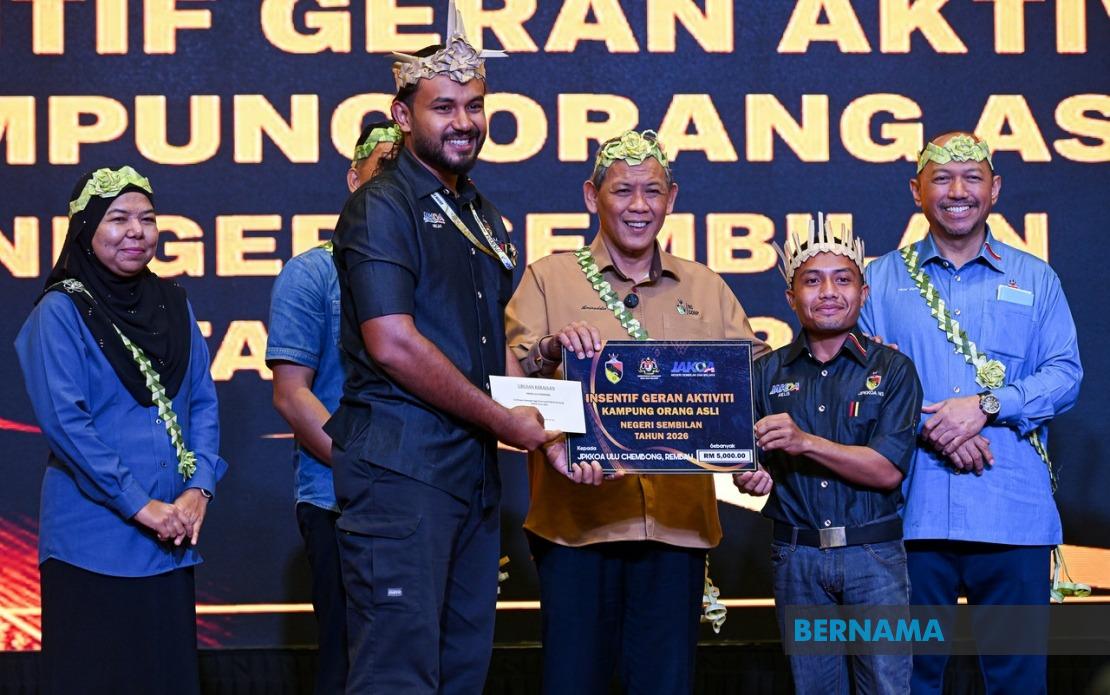
For Negeri Semilan's electorate, the approaching election presents opportunity to reassess state governance priorities. Aminuddin's tenure as Menteri Besar has focused on development initiatives and rural engagement, exemplified by the RM415,000 Orang Asli Village Activity Grant Incentive presented during his July 1 announcement. Such targeted welfare measures demonstrate the administration's strategy of consolidating support among communities historically marginalised from mainstream political discourse.
The compressed timeline ahead demands intensive grassroots campaigning and strategic resource deployment. Both PKR and its coalition partners must navigate the challenge of finalising candidacies, conducting internal consolidation, and mobilising voters within approximately four weeks. This condensed schedule favours incumbents and established political machinery over insurgent campaigns, potentially advantaging the Pakatan Harapan coalition.
Moving forward, the formal candidate announcement will crystallise public perception of each party's electoral strategy and ambitions. Observers will scrutinise seat allocations for evidence of coalition tensions or cooperation, whilst local communities will assess whether selected candidates genuinely reflect constituency interests or merely represent compromises between party leadership preferences. The choices made will shape campaign dynamics and ultimately determine whether Pakatan Harapan can consolidate and expand its Negeri Semilan position during this critical state electoral contest.

