The 16th Negeri Sembilan state election has officially commenced, with nomination centres opening simultaneously across eight locations throughout the state from 9 am onwards. This marks the beginning of a carefully orchestrated electoral process that will culminate in voters determining the state's political direction for the next five years. The Election Commission has established a tight timeline, with prospective candidates required to lodge their nomination documents before the 10 am deadline, after which the roster of eligible contenders will be formally gazetted to mark the official start of the campaign proper.
The electoral calendar has been meticulously structured to ensure a condensed but substantive campaign period. Following the release of the verified candidate list, political parties and their nominees will have precisely 14 days to canvas voters and articulate their vision for Negeri Sembilan's development. The campaign window extends until 11.59 pm on July 31, providing a fortnight for political messaging before early voting commences on July 28 and general polling occurs on August 1. This compressed timeline reflects efforts to balance the democratic imperative for adequate campaign opportunities with the practical realities of modern electoral administration.
The decision to dissolve the previous state assembly was made on June 5 with the formal consent of Tuanku Muhriz Tuanku Munawir, the Yang Dipertuan Besar of Negeri Sembilan, setting the stage for this electoral cycle. The exercise of the royal prerogative to dissolve the legislature represents a constitutional milestone, though the timing and circumstances surrounding the dissolution have been subjects of political and public discourse within the state.
Electoral participation is expected to be substantial, with the Election Commission confirming that 889,490 voters have registered across Negeri Sembilan's constituency divisions. This electorate comprises 867,151 ordinary registered voters, complemented by 16,884 military personnel and their spouses, and 5,455 police officers and their spouses. These figures underscore the demographic scale of the electoral exercise and the logistical complexity involved in managing the voting process across dispersed polling stations.
As of the eve of nomination day, interest in contesting has been evident, with the Election Commission reporting that 464 nomination forms had been distributed to prospective candidates and 70 individuals had already submitted their required election deposits, formally signalling their intention to participate in the contest. These preliminary figures suggest a competitive electoral environment with multiple candidates likely to contest several seats, potentially increasing voter choice while complicating the campaign landscape.
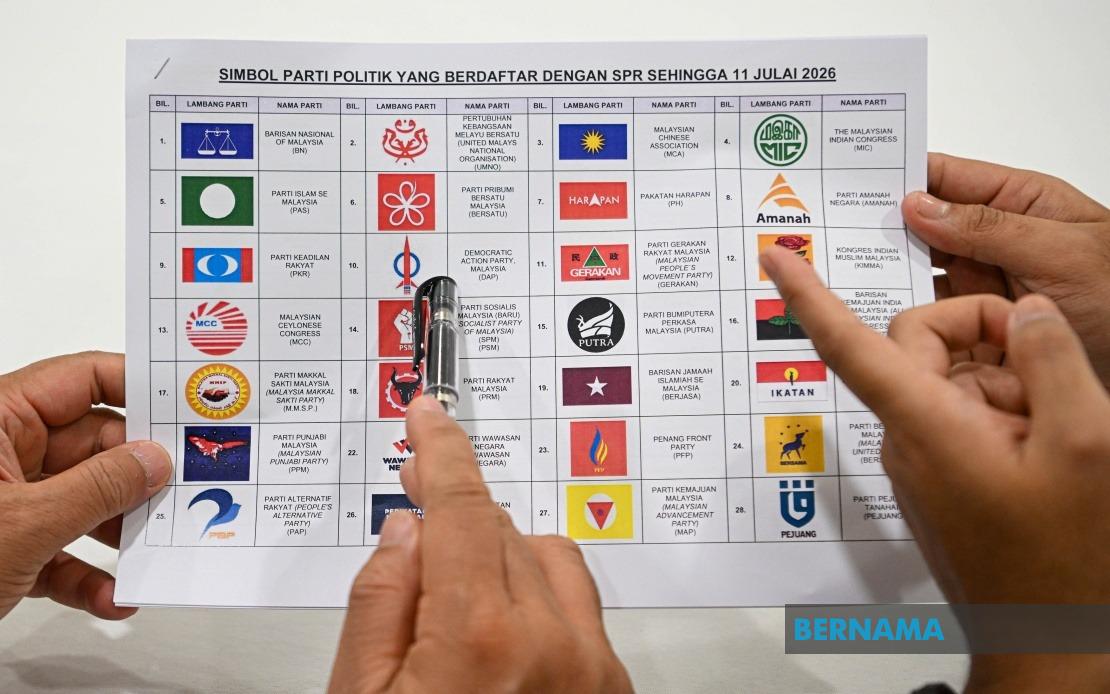
The political party landscape reflects the fragmented nature of Malaysian politics at the state level, with eight separate registered entities fielding candidates or supporting nominees. Pakatan Harapan has adopted an aggressive stance by contesting all 36 state seats, evidently confident in its capacity to field competitive candidates across the entire legislature. Barisan Nasional, the traditional governing coalition, is contesting 25 seats, suggesting a strategic calculation regarding its competitive position in specific constituencies. Perikatan Nasional is fielding candidates in 11 seats, whilst smaller parties including Parti Orang Asli Malaysia, the Socialist Party of Malaysia, and Parti Barisan Jemaah Islamiah Se-Malaysia are each mounting single-candidate efforts. Parti Pribumi Bersatu Malaysia is contesting 24 seats with some technical support arrangements involving Parti Bersepakat Hak Rakyat Malaysia nominees utilising the Bersatu logo.
The party slates unveiled in recent days have showcased a mix of incumbent officeholders seeking re-election and fresh political figures attempting to gain entry to the state legislature. This combination of continuity and renewal is characteristic of competitive electoral environments where governing parties seek to leverage the credibility of experienced representatives whilst simultaneously attempting to attract new voter constituencies through novel candidates. The strategic selection of nominees reflects each party's assessment of constituency-level dynamics, demographic trends, and incumbent performance records.
Electoral management and security preparations have been substantial, with the Negeri Sembilan police force deploying 4,800 officers and personnel to oversee nomination day and the subsequent campaign and voting periods. This police contingent has been reinforced by an additional 1,373 officers from Bukit Aman headquarters, bringing the total security presence to over 6,100 personnel. Such deployments reflect the authorities' determination to ensure orderly conduct throughout the electoral process and to prevent disturbances or confrontations that might compromise the integrity of the exercise.
The Election Commission has issued formal reminders to all candidates and their supporters regarding compliance with electoral regulations and the imperative to refrain from provocative conduct during the nomination process. These directives underscore the institutional focus on maintaining decorum and preventing the type of disruptions or confrontations that might undermine public confidence in the electoral system. Nomination day itself is anticipated to attract substantial crowds, with party supporters, leaders, and political figures accompanying their respective candidates to the various nomination centres, creating a vibrant but potentially crowded electoral environment.
Weather considerations have been factored into planning, with the Malaysian Meteorological Department forecasting generally fair conditions across most of Negeri Sembilan during the morning hours, with the exception of Port Dickson and Seremban where rainfall is anticipated. Afternoon thunderstorms are expected statewide, potentially affecting voter turnout or causing logistical challenges during the campaign period and on polling day, though such meteorological events are routine in Malaysia's tropical climate.
The electoral context is shaped by recent history in Negeri Sembilan, where the 2023 state election saw Pakatan Harapan secure 17 of the 36 available seats, Barisan Nasional capturing 14 seats, and Perikatan Nasional winning five seats. This distribution indicates that no single coalition or party currently commands an overwhelming majority, creating competitive dynamics where campaign performance and persuasion efforts could materially affect outcomes. The relatively tight distribution of seats suggests that constituency-level contests will genuinely determine the overall composition of the state legislature, with voter engagement and turnout potentially proving decisive in marginal seats.
For Malaysian observers and regional analysts monitoring political developments in Southeast Asia's second-most populous nation, the Negeri Sembilan election offers a microcosm of contemporary Malaysian electoral competition. The multiplicity of competing coalitions, the presence of established and emerging political forces, and the demographic scale of the electorate collectively illustrate the complexity of Malaysia's democratic processes. The campaign period ahead will provide insights into evolving voter preferences, the salience of particular political narratives, and the effectiveness of different parties' campaign strategies in an increasingly competitive electoral environment.

