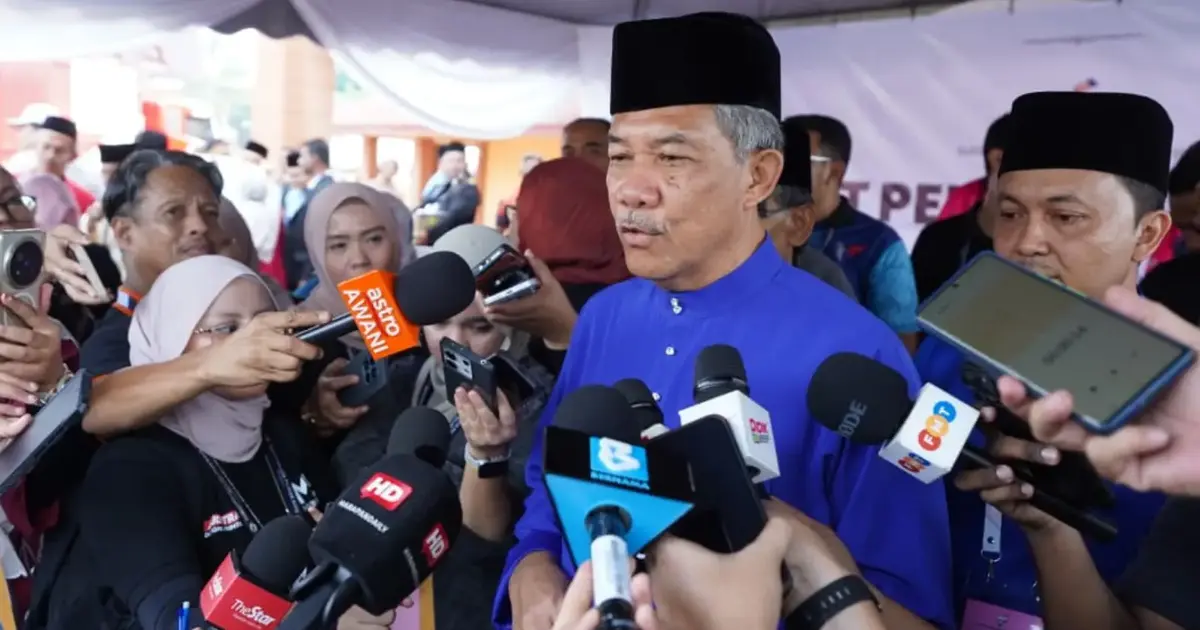
Mohamad Hasan has issued a forthright directive to Barisan Nasional candidates contesting in Negeri Sembilan, instructing them to refrain from politicising the state's adat institution during their campaigning efforts. The senior coalition figure emphasises that the customary system, which forms a cornerstone of the state's cultural and administrative identity, must remain insulated from electoral competition and partisan positioning that could undermine its standing and generate communal discord.
The adat institution in Negeri Sembilan represents far more than ceremonial tradition; it encompasses hereditary leadership structures, land customs, and dispute resolution mechanisms that have governed Minangkabau communities across the state for centuries. These institutions derive their authority and effectiveness from their perceived neutrality and cultural legitimacy rather than political endorsement. When political candidates invoke adat matters in their campaigns—whether to gain support from traditionalist voters or to challenge rivals on cultural grounds—they inevitably draw these revered systems into the contested terrain of electoral politics, which can erode public confidence in their impartiality.
The warning from Mohamad Hasan reflects mounting sensitivity within the coalition regarding how elected officials engage with Malaysia's diverse customary and religious institutions. Negeri Sembilan's adat framework, governed partly by the Yamtuan Negeri (the ruling chief) and traditional councils, carries particular symbolic weight because it represents indigenous Minangkabau governance predating modern state structures. This historical lineage means that politicisation of adat matters risks deepening existing fault lines within communities that might otherwise accept election outcomes as legitimate expressions of democratic will.
Tensions surrounding adat have simmered beneath surface-level political discourse in Negeri Sembilan for years, emerging sporadically when development projects intersect with customary land rights or when succession questions within ruling families attract public scrutiny. By explicitly instructing candidates to avoid dragging adat into campaign messaging, the Barisan leadership acknowledges that electoral cycles can amplify dormant grievances and transform cultural disputes into vehicles for political mobilisation. Once adat becomes a campaign issue, neutrality becomes impossible to restore quickly, even after voting concludes.
The directive carries particular importance given Malaysia's constitutional architecture, which reserves substantial autonomy for states and traditional rulers in matters affecting indigenous customs and land administration. Federal political parties operating in state elections must navigate carefully between national agendas and respect for state-level institutions, especially those with constitutional protections. Mohamad Hasan's guidance suggests the Barisan coalition recognises that aggressive campaign tactics targeting customary systems—or promising to reform them—can backfire by alienating communities protective of their heritage and traditional leadership.
For Malaysian political observers, this episode illuminates the broader challenge facing major coalitions in multiethnic, multicultural democracies where traditional institutions retain social legitimacy independent of government structures. The Pakatan Harapan coalition and smaller opposition parties presumably face similar pressures and incentives to invoke adat sympathies during campaigns, making Barisan's restraint instruction a calculated choice to elevate its standing as a guardian of institutional stability rather than as a force willing to weaponise cultural institutions for electoral advantage.
The implications for Southeast Asia's political dynamics merit consideration as well. Nations throughout the region grapple with balancing modern democratic politics against preservation of customary governance systems that predate or exist parallel to Westminster-style institutions. Indonesia, Thailand, and the Philippines each navigate comparable tensions between centralised state authority and localised, often hereditary power structures rooted in tradition. Malaysia's experience offers a model of how electoral competition can either strengthen or undermine these parallel systems depending on how political actors choose to engage with them.
Within Negeri Sembilan specifically, Mohamad Hasan's warning creates a framework within which candidates must craft messages emphasising economic development, service delivery, and national priorities without resorting to appeals that position them as defenders or reformers of adat frameworks. This constraint actually benefits candidates capable of articulating compelling visions for the state's future independent of cultural positioning, potentially elevating campaign discourse above identity-based appeals. However, it simultaneously constrains candidates whose primary strength lies in mobilising traditionalist constituencies around cultural anxiety or resentment toward perceived erosion of customary authority.
The enforcement mechanism for this directive remains unclear, as Barisan candidates operate with considerable autonomy in determining campaign messaging strategies and local political actors often pursue opportunities to differentiate themselves from rival coalitions. Whether state-level party leadership possesses sufficient leverage to prevent individual candidates from invoking adat grievances during their personal campaigning activities will largely determine whether the directive achieves its intended effect of protecting these institutions from electoral politicisation.
Ultimately, Mohamad Hasan's instruction represents an attempt to preserve space for Malaysia's customary institutions to function without constant reference to electoral outcomes or partisan positioning. Success or failure will likely influence how future generations of political leaders approach similar dilemmas involving culturally significant but politically sensitive institutions across Malaysia's varied state contexts.

