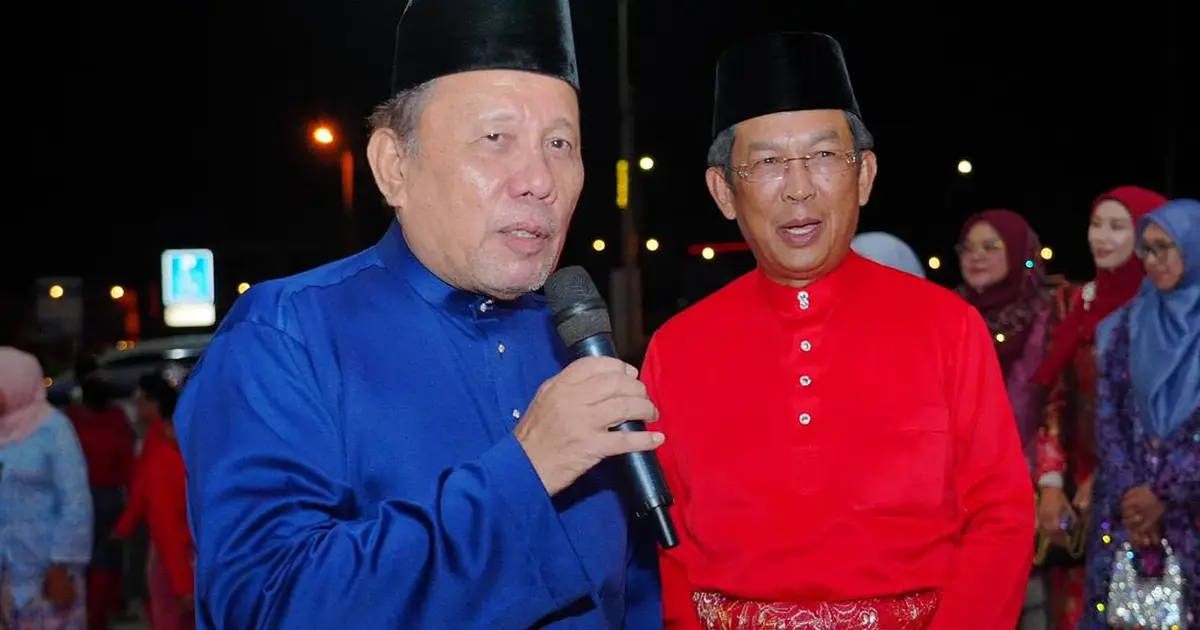
Jalaluddin, the Umno chief for Negeri Sembilan, has categorically rejected allegations that he orchestrated plans to remove the state's Menteri Besar and facilitate the removal of the Negeri Sembilan ruler. The denial comes amid swirling reports suggesting his involvement in coercive tactics directed at the MB regarding sensitive constitutional matters.
The controversy centres on claims that Jalaluddin spearheaded initiatives to force the Menteri Besar into endorsing a document with significant implications for the sultanate. Such moves, if substantiated, would represent an extraordinary breach of constitutional protocol in a state where the ruler occupies a position of paramount ceremonial and customary authority. The allegations touch upon the delicate balance between executive authority and royal prerogative that has long characterised Malaysia's federal and state governance arrangements.
Negeri Sembilan's political landscape has grown increasingly turbulent in recent months, with factional tensions within Umno appearing to crystallise around questions of leadership and direction. The state's governing coalition has faced mounting pressures, and internal party dynamics suggest competing visions for the future trajectory of state administration. Such internal conflicts are not uncommon in Malaysian state politics, where control over resources, appointments, and policy direction often generates intense competition among senior party figures.
The Menteri Besar, as the chief executive of the state, operates within a constitutional framework that acknowledges the sovereign position of the Negeri Sembilan ruler. The institution of the Malay sultanate remains foundational to Malaysia's constitutional monarchy system, and any effort to diminish or circumvent the ruler's constitutional role would constitute a serious departure from established norms. The allegations therefore carry significant constitutional weight beyond the immediate political disagreement.
Jalaluddin's categorical denial suggests that he views the claims as damaging to his standing within the party and the state political establishment. His repudiation of involvement indicates awareness that such allegations, if credited, would fundamentally undermine his political authority and potentially expose him to serious legal and political consequences. The vehemence with which such denials are issued often reflects the gravity with which those accused regard the charges.
For Malaysian observers, this episode illuminates the continuing tensions between party politics and constitutional governance at the state level. Negeri Sembilan, like other Malaysian states with sultans, must navigate the intersection of democratic party competition and the established role of the monarchy. The constitution provides mechanisms for the expression of political preferences while maintaining respect for royal institutions, yet these boundaries are occasionally tested during periods of acute political competition.
The backdrop to these allegations involves broader questions about Umno's direction and cohesion following the party's complex political trajectory over the past several years. Factional disputes within Malaysia's largest Malay-majority party have periodically surfaced in various states, and Negeri Sembilan appears to represent another manifestation of these internal dynamics. State-level conflicts frequently reflect competing national faction interests, making local politics inseparable from broader party concerns.
Sources close to state political developments suggest that various actors have attempted to consolidate influence and reshape the state government's composition and direction. The alleged pressure campaign, whether real or exaggerated, reflects competition over control of state resources and the trajectory of policy. Such contestation is intrinsic to democratic politics, though the alleged methods—if substantiated—would cross important institutional boundaries.
The public denial by Jalaluddin serves multiple purposes: it addresses the allegations directly, attempts to delegitimise the claims, and signals to party leadership that he maintains the support necessary to weather this controversy. In Malaysian political contexts, such denials are frequently accompanied by counter-allegations or suggestions that rivals have orchestrated the claims for tactical advantage. The pattern reflects the adversarial nature of contemporary Malaysian politics, where character and credibility constitute crucial political assets.
For Negeri Sembilan residents and businesses, the political instability carries tangible implications. State governments manage crucial portfolios including local land development, infrastructure projects, and administrative services. Sustained political turbulence can distract leadership from governance priorities and create uncertainty about policy continuity. Investment decisions sometimes depend upon assessment of political stability, making internal government cohesion a material consideration.
The controversy also reflects how Malaysian politics operates at multiple registers simultaneously—constitutional formality, party competition, personal rivalry, and factional alignment intersect in ways that shape outcomes. The alleged scheme, as reported, represents a violation of constitutional procedure that would require the complicity of multiple actors across different institutions. The very implausibility of such coordination serves as one reason observers should treat allegations with appropriate caution.
Moving forward, stakeholders in Negeri Sembilan politics will likely monitor whether additional evidence emerges to substantiate or further refute the claims. The trajectory of this incident may depend partly on whether other party figures choose to amplify or contain the controversy. Umno's national leadership may seek to manage the situation to prevent further damage to party cohesion ahead of other political contests.
Ultimately, this episode underscores the enduring importance of constitutional conventions and institutional respect in Malaysian democratic practice, even as competitive party politics generates pressures toward their transgression.

