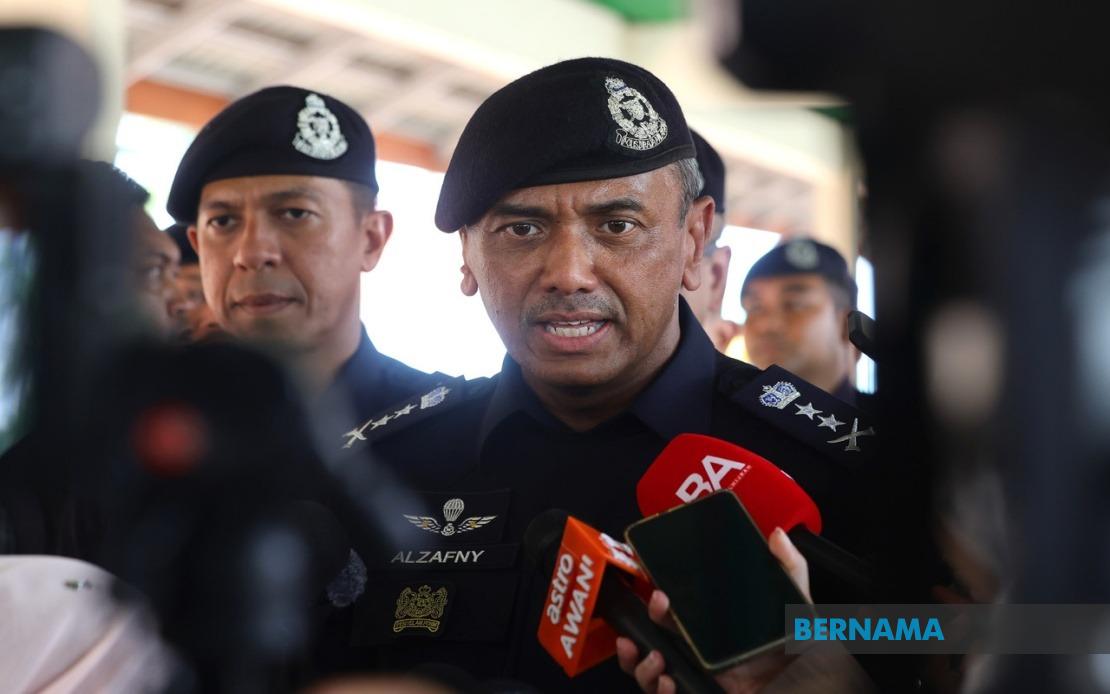
The nomination process for Negeri Sembilan's 16th state election proceeded without complications on July 18, according to police authorities who oversaw operations at all eight nomination centres across the state. State police chief Datuk Alzafny Ahmad confirmed that party supporters conducted themselves in an orderly fashion and complied with security directives throughout the morning and midday hours, enabling a controlled and incident-free day.
Nomination centre attendance varied considerably across the state, offering a preliminary snapshot of party mobilisation efforts in different constituencies. Jempol emerged as the engagement hotspot, attracting approximately 2,500 supporters from contesting parties, while Kuala Pilah recorded the lightest turnout at roughly 1,000 participants. The remaining six centres attracted between 1,000 and 2,500 supporters each, indicating broadly comparable levels of grassroots participation across much of the state. These figures provide an early indication of party enthusiasm and organisational capacity ahead of the campaign proper.
The security operation required substantial police resources to manage the logistics of candidate registration across multiple venues. A total of 2,373 police officers and personnel were stationed throughout the eight nomination centres to maintain order, facilitate crowd management, and oversee traffic arrangements. The deployment reflected official preparation for potential complications that sometimes accompany high-stakes electoral moments when party supporters gather in concentrated numbers. The apparent success of this operation suggests effective coordination between police and nomination centre officials.
Beyond the mechanics of nomination day, Datuk Alzafny used the occasion to communicate police expectations for the campaign period ahead. He reminded all candidates contesting the election to steer their campaign messaging away from what authorities term the "3Rs"—religion, royalty, and race. These categories have historically triggered communal sensitivities in Malaysia, and their avoidance during campaigning reflects an established principle of electoral conduct intended to prevent polarisation along identity lines.
The police chief's advisory extended beyond this core guidance. Candidates received direction to avoid campaign speech content containing provocative language, incitement, or slanderous material capable of generating public discord or inflaming racial tensions. This positioning reflects the Malaysian electoral tradition wherein authorities seek to maintain what officials characterise as communal harmony during competitive political moments. The emphasis placed on this guidance suggests police concern that intense competition might otherwise tempt candidates to cross established boundaries.
While the focus on sensitive topics commands attention, authorities also flagged apparently mundane but legally enforceable requirements. Police reminded candidates to comply with traffic safety regulations during village and residential area campaigning, specifically noting the mandatory wearing of motorcycle helmets. This attention to such details reflects a comprehensive approach to campaign regulation rather than exclusive focus on contentious political speech.
The Election Commission and police have established joint monitoring teams to oversee candidate compliance with campaign-period regulations. This institutional coordination underscores official determination to enforce established rules uniformly across the state. The existence of these teams signals that authorities intend active enforcement rather than passive hope that candidates self-regulate.
For Malaysian and Southeast Asian observers, the Negeri Sembilan election carries modest but real significance. The state represents an important testing ground for political dynamics within Malaysia's federation. Election outcomes here can influence perceptions of party momentum and regional political currents heading into potential future national contests. The successful management of nomination day suggests at least competent administrative execution by electoral authorities.
The campaign timeline now moves into its substantive phase. The Election Commission has designated August 1 as polling day for the 16th Negeri Sembilan state election, providing roughly two weeks for candidate outreach and persuasion activities. Early voting has been scheduled for July 28, enabling voters unable to participate on the main polling day to cast ballots in advance. This compressed timeframe places premium value on efficient campaign organisation and resource deployment by competing parties.
The police's appeal for measured and responsible campaigning reflects broader concerns about maintaining civil discourse during electoral competition. In Malaysia's plural society, where communal identities intersect with political allegiances, campaign periods historically generate heightened emotional temperature. Authorities view their role partly as managing this intensification to prevent spill-over into communal incidents. Whether candidates will adhere to these guidelines throughout the campaign period remains to be seen, though the controlled nomination day suggests at least formal compliance with police direction during the opening moments of the electoral process.
For Malaysian voters in Negeri Sembilan, the election offers opportunity to shape their state's direction at a time when governance challenges spanning economic management, infrastructure development, and public service delivery remain pressing. The smooth nomination proceedings establish procedural foundation for what will likely prove a competitive contest among multiple parties seeking to capture or retain power in the state assembly. How effectively candidates prosecute their cases while respecting boundaries around sensitive topics will partly determine whether the campaign's opening promise of civility persists through to polling day.

