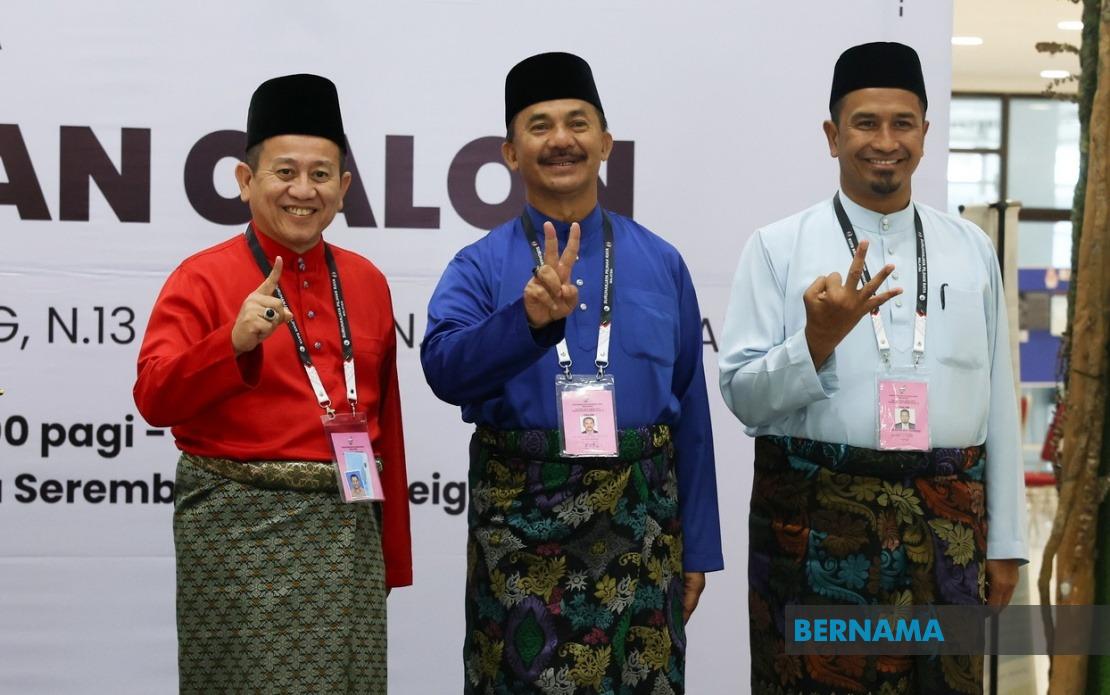
The upcoming 16th Negeri Sembilan State Election on August 1 is shaping up as a contest where political parties are balancing organisational continuity with fresh recruitment, as new candidates emerge prominently alongside experienced campaigners across the field of 103 contestants. This generational mix reflects broader patterns within Malaysia's coalitional politics, where parties navigate the tension between retaining incumbency advantage and projecting renewal to voters.
Pakatan Harapan, mounting a comprehensive challenge by contesting all 36 State Legislative Assembly seats, has selected 24 newcomers to accompany its established cadre. The coalition is deploying recognisable national figures to anchor its effort, most notably Transport Minister Anthony Loke, who carries the additional weight of his role as DAP Secretary-General as he defends the Chennah seat. This deployment of senior federal ministers to state contests underscores how state elections function as testing grounds for national political narratives and coalition strength.
A notable strategic manoeuvre within the PH slate involves Negeri Sembilan PH Chairman Datuk Seri Aminuddin Harun's decision to vacate the Sekamat seat and contest Linggi instead. Such repositioning by senior party figures signals either calculated attempts to strengthen performance in alternative constituencies or responses to internal party dynamics and demographic shifts within constituencies. These tactical adjustments, often overlooked in headline reporting, frequently determine marginal outcomes in closely contested state polls.
Barisan Nasional's approach mirrors PH's mixed strategy, fielding 25 candidates with 13 representing fresh entries into state-level competition. The coalition retains heavyweight figures including Foreign Minister Datuk Seri Mohamad Hasan in the UMNO deputy presidency, who will defend the Rantau seat. Negeri Sembilan BN Chairman Datuk Seri Jalaluddin Alias contests the Pertang seat, which he successfully won during the 2023 state election. The presence of federal ministers in state contests, regardless of coalition, demonstrates how state elections provide platforms for assessing ministerial standing and maintaining political presence at grassroots level.
Within the BN slate, Datuk Ismail Lasim's transition from defending Senaling to contesting Juasseh represents internal reorganisation that may reflect either personal strategic calculation or party assessment of electoral dynamics in specific constituencies. Such movements warrant scrutiny from political observers tracking shifts in party confidence and resource allocation across geographic areas.
Perikatan Nasional's presence across 11 seats introduces additional competitive complexity, drawing candidates through PAS, Gerakan, Wawasan, and MIPP. This multi-party structure within the PN banner creates internal dynamics distinct from the more consolidated approaches of PH and BN, potentially complicating coordination while offering diverse appeals to different voter segments. The 11-seat contest reflects PN's positioning as the third force in Negeri Sembilan's electoral landscape, neither commanding the resources of larger coalitions nor operating entirely at the margins.
A particularly noteworthy development involves Parti Pribumi Bersatu Malaysia's decision to contest using its own party logo rather than the PN collective banner, a symbolic and practical divergence from its 2023 approach. Bersatu Information Chief Datuk Tun Faisal Ismail Aziz enters as a new candidate within the party's 24-person slate, while Negeri Sembilan Bersatu Chairman Hanifah Abu Bakar represents the party's incumbent contingent defending the Labu seat. This organisational restructuring carries implications for coalition stability and suggests potential friction within PN that state-level contests often expose.
Smaller parties and independent candidates add texture to the contest despite limited seat totals. Parti Berjasa, Parti Orang Asli Malaysia, and Parti Sosialis Malaysia each field single candidates, whilst four independent candidates complete the 103-candidate roster. These marginal players, though unlikely to alter overall outcomes substantially, provide voters alternative options outside major coalition frameworks and serve as barometers of localised grievance and protest sentiment.
The age demographics among candidates reveal generational representation patterns worth examining. Datuk Abd Latiff A Tambi, the 70-year-old PH candidate for Gemencheh, represents the election's oldest aspirant, whilst 23-year-old Bersatu candidate Leevineshwaraan Murugan stands as the youngest. This 47-year age gap between electoral extremes illustrates how state contests accommodate both established figures leveraging decades of political experience and emerging personalities offering demographic representation and digital-native campaign approaches.
For Malaysian and regional observers, Negeri Sembilan's election serves multiple analytical purposes. It gauges post-2023 general election political momentum, tests coalition stability during a period of significant national political flux, and provides early indicators of electoral sentiment ahead of future national contests. The prominence of new candidates across all major coalitions suggests either legitimate generational renewal efforts or potential masking of candidate quality concerns through numerical expansion. How these fresh faces perform will shape subsequent coalition decisions regarding recruitment and retention strategies.
The Election Commission's scheduling—with early voting on July 28 and polling day on August 1—follows established procedures whilst providing a concentrated campaign window. The concentrated timeline between candidate nomination closure and election day limits campaign duration, potentially advantaging established parties with superior organisational infrastructure and name recognition. New candidates, lacking such advantages, must compensate through targeted digital engagement and grassroots activation.
Negeri Sembilan's electoral outcome will resonate across Malaysia's political architecture. The state remains strategically important within national coalition mathematics, and its results will inform calculations regarding coalition viability, ministerial credibility, and strategic direction heading toward subsequent contests. The interplay between new candidates injecting change and established figures maintaining continuity will fundamentally shape which coalition consolidates power and sets the state's governance direction for the coming term.

