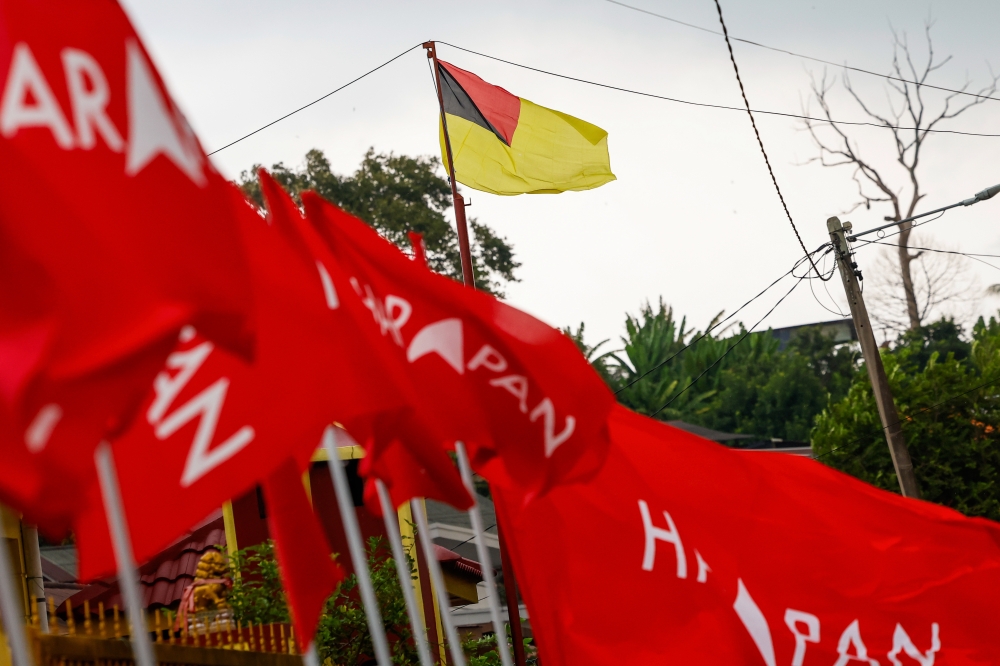
The Royal Malaysia Police Negeri Sembilan contingent has responded to growing concerns about election-related misconduct by opening two formal investigation papers into incidents of property destruction, signalling a toughening enforcement stance against campaign-season vandalism in the state.
The decision to establish dual investigation files reflects the seriousness with which local law enforcement is treating what appears to be a pattern of damage occurring within the context of electoral activities. Such coordination between different investigation streams typically indicates that authorities are pursuing multiple angles or locations where similar incidents may have taken place, allowing investigators to identify commonalities and potential links between the destructive acts.
Election-related vandalism has long posed a challenge for Malaysian authorities managing the delicate balance between protecting political freedoms and maintaining public order. Property damage tied to campaign activities—whether through unauthorised placement of banners, defacement of infrastructure, or deliberate destruction—creates tensions between competing interests: candidates' rights to campaign visibility and citizens' rights to undamaged public and private property. Negeri Sembilan's approach of formally documenting these incidents suggests an attempt to establish a clear record and potentially deter future similar conduct through visible law enforcement action.
The opening of investigation papers represents the initial procedural step in Malaysia's criminal justice system, establishing an official record and authorising police to gather evidence, conduct interviews, and pursue leads. This formality becomes particularly important in election contexts, where political actors scrutinise law enforcement decisions for potential bias. By transparently initiating investigations, police create an auditable trail that can withstand later scrutiny regarding whether enforcement has been fair and non-partisan.
For Negeri Sembilan residents and property owners, such investigations offer potential recourse when their assets suffer election-season damage. The establishment of formal investigation papers creates pathways through which victims can lodge complaints, cooperate with authorities, and potentially pursue legal remedies. This infrastructure becomes essential in states where electoral enthusiasm occasionally manifests in ways that compromise public amenities or private property, from defaced walls to damaged fencing.
The timing and nature of these investigations also carry implications for how Malaysia manages the intersection between democratic participation and civic responsibility. Elections naturally intensify political engagement, but this must occur within frameworks that respect others' property rights and the shared public environment. Police action in Negeri Sembilan sends a message that enthusiasm for one's candidate or party cannot translate into destructive behaviour without consequences.
From a broader Southeast Asian perspective, Malaysia's approach mirrors challenges faced across the region where rapid electoral cycles and competitive politics sometimes generate externalities affecting property and public order. How authorities balance enforcement with political freedoms—demonstrated through professionalism in investigation and transparency in process—influences public confidence in both electoral integrity and police impartiality. Negeri Sembilan's dual investigation approach suggests an effort to handle these matters methodically rather than selectively.
The investigation papers also serve an important documentary function within Malaysia's evolving standards around election conduct. As electoral practices mature and democratic institutions deepen, records of enforcement actions become part of the institutional memory that guides future campaign seasons. Police data on the nature, frequency, and resolution of election-related vandalism inform policy discussions about prevention strategies, from tighter controls on campaign materials to increased community awareness initiatives.
Stakeholders in Negeri Sembilan's political landscape—candidates, party officials, and grassroots campaigners—will likely monitor how these investigations proceed and conclude. Clear, proportionate enforcement sends powerful signals about expectations for conduct during campaign periods. Conversely, investigations that appear sluggish or partisan risk generating cynicism about the state's commitment to maintaining standards.
The resource implications of investigating election-related vandalism also merit consideration. Police departments managing multiple concurrent investigations must prioritise competing demands on their time and capacity. Negeri Sembilan's decision to formalise two separate investigation papers suggests these incidents were significant enough to warrant dedicated investigative attention, possibly involving damage exceeding minor vandalism or occurring in multiple locations.
Moving forward, the outcomes of these investigations will shape perceptions of electoral accountability in Negeri Sembilan. Whether investigations lead to charges, convictions, and visible penalties will determine whether the initial step of opening investigation papers translates into meaningful deterrence. This tangible follow-through becomes essential for maintaining public confidence that campaign-season misconduct carries real consequences, thereby encouraging more responsible conduct during future electoral periods.

