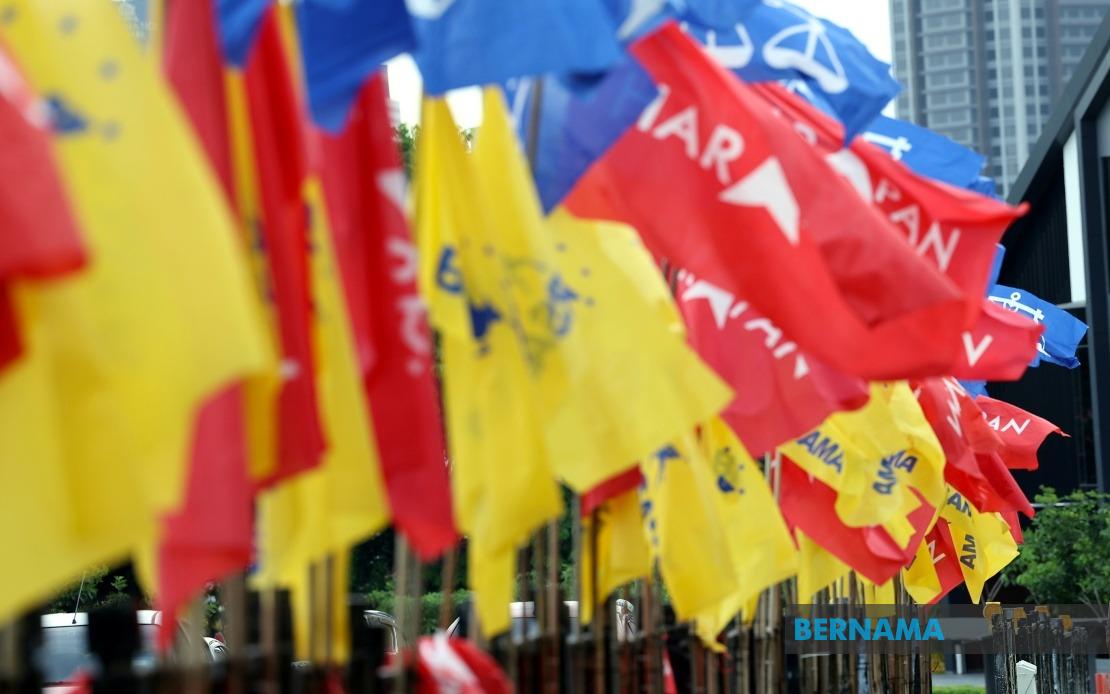
Negeri Sembilan police have given the go-ahead for 19 applications to hold ceramah and political campaign activities as the state enters the final stretch before its general election. The approvals came after organisers met all necessary regulatory requirements, according to police chief Datuk Alzafny Ahmad, who highlighted that the permit process had progressed smoothly since applications began arriving on July 18.
The permitting of these political rallies and speaking events marks a routine but critical phase in election management, where law enforcement must balance democratic expression with public safety concerns. Throughout Malaysia's electoral cycle, such permits determine where, when, and under what conditions political parties can hold public gatherings to canvass for votes. In Negeri Sembilan's case, the police have adopted a cautiously permissive stance, approving gatherings while maintaining close operational oversight.
Datuk Alzafny underscored that approval does not mean a hands-off approach. Every sanctioned political programme will remain under police surveillance to ensure compliance with electoral laws and to prevent disruptions to public peace or order. This monitoring framework reflects standard practice across Malaysian state and federal elections, where the Royal Malaysia Police work alongside the Election Commission to create an environment conducive to campaigning while guarding against misconduct or violence.
The security landscape for this election cycle has remained largely stable. Police reported receiving only a single report of electoral misconduct so far, and no formal investigation papers concerning election offences have been opened. This low incidence of reported violations suggests that political contestants and their supporters have largely adhered to regulations, though the police chief warned that any infringement would face swift and impartial action. The absence of significant incidents also reflects positively on overall public adherence to the democratic process.
Negeri Sembilan police indicated their readiness to maintain heightened vigilance throughout the remaining campaign period and on polling day itself. Datuk Alzafny pledged that enforcement would be carried out with consistency, fairness, and integrity, rejecting any perception of partiality or leniency. This commitment signals to both political parties and voters that the police regard their role as neutral custodians of electoral order, not partisans advancing any particular camp's interests.
The 16th Negeri Sembilan State Election represents a significant political moment for the state's 36-seat assembly. The government dissolved the previous parliament on June 5, prompting the Election Commission to schedule early voting for July 28 and general polling for August 1. This compressed timeline has concentrated campaign activities into a brief window, explaining why permit applications are being processed at pace and why police coordination is essential to manage the surge in public events.
For Malaysian observers and international democratic monitors, these election management details reflect the maturity of Malaysia's electoral system. The existence of a permitting structure, combined with police oversight and transparent communication about security arrangements, demonstrates institutional capacity to facilitate multiple political voices while maintaining civic order. Such systems prove especially important in competitive elections where passion runs high and the stakes for contesting parties feel substantial.
Datuk Alzafny's appeal to the public to respect democratic norms and cooperate with police personnel in the field echoes standard practice across Malaysian elections. Public cooperation is essential to the police's ability to prevent disruptions, investigate complaints, and respond swiftly to security incidents. When voters and supporters understand their role in maintaining electoral integrity, the entire process becomes less resource-intensive for authorities and more rewarding for citizens witnessing democracy in action.
The permit approvals also carry implicit messaging to Negeri Sembilan's diverse population. By facilitating political speech across multiple events and locations, authorities signal that all legitimate voices have space within the electoral marketplace. This inclusiveness, coupled with firm but fair enforcement, helps sustain public confidence that elections will be decided on merit and persuasion rather than through suppression of opposing views or monopolisation of campaign platforms.
Looking ahead to polling day on August 1, the police framework established through these permits and enforcement strategies will serve as the operational backbone for election security. Permit approvals generate detailed knowledge about where crowds will gather, what logistics will be required, and what potential flashpoints warrant additional attention. This intelligence gathering, conducted transparently and fairly, allows police to deploy resources efficiently and preemptively address risks before they crystallise into incidents.
The broader context matters as well. Negeri Sembilan's election occurs within Malaysia's federal framework and reflects national approaches to electoral management. The way the state police handle this poll could offer lessons or reinforce best practices for other states conducting elections or preparing for the next general election cycle. Effective permit systems and balanced enforcement contribute to Malaysia's reputation as a nation where elections, while competitive, remain fundamentally orderly and institutionally sound.
For voters and political contestants in Negeri Sembilan, the message from police is clear: engage vigorously in the democratic process, but do so within legal boundaries. The approval of 19 permits is not a licence for uncontrolled activity but rather an allocation of resources and permissions calibrated to accommodate legitimate political expression while protecting public welfare. As the state moves toward August 1, this balance between permission and oversight will be tested in real time.

