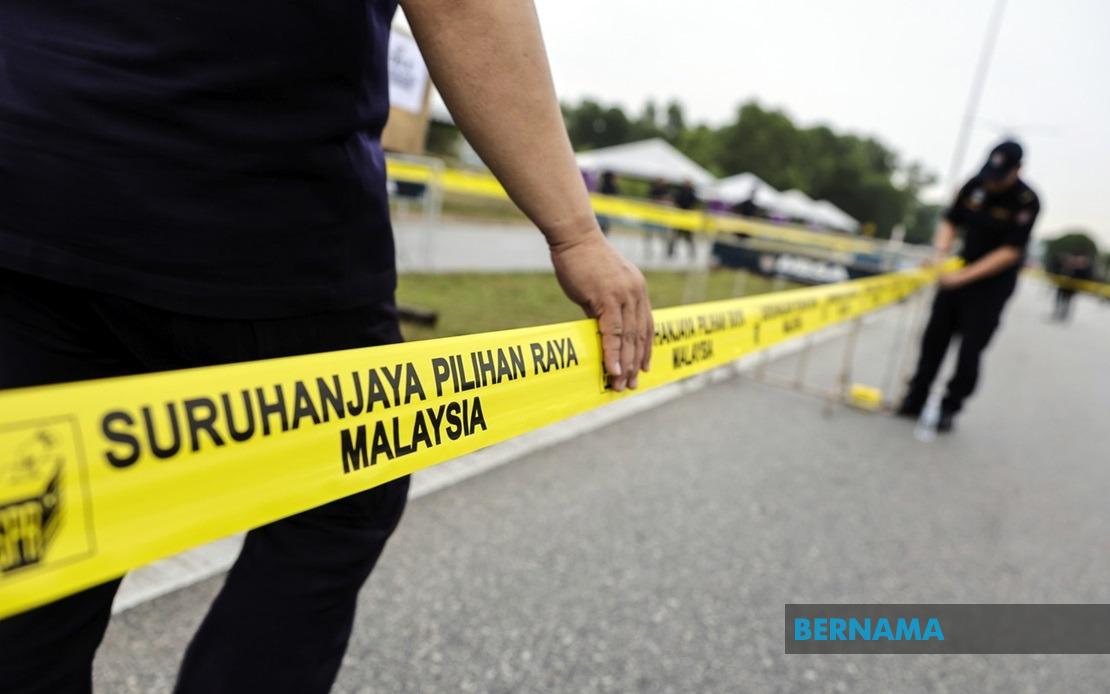
The Negeri Sembilan state election campaign enters its crucial opening phase tomorrow with nomination proceedings scheduled across eight designated centres, and the Malaysian Meteorological Department has provided generally reassuring weather guidance for candidates, supporters and election officials conducting the daylong process. Dr Mohd Hisham Mohd Anip, director-general of MetMalaysia, indicated that most regions in the state should experience fair conditions during the morning hours when the nomination centres operate from 9 am to 10 am, with returning officers subsequently announcing the officially confirmed candidacies.
Geographical variation will characterise the weather pattern across Negeri Sembilan during the critical opening day of the electoral contest. The districts of Jelebu, Jempol, Kuala Pilah, Rembau and Tampin are anticipated to remain dry throughout the morning nomination period, while Port Dickson and Seremban—areas containing some of the state's largest population concentrations—should prepare for rainfall during the same timeframe. This split forecast means that candidates and election staff operating in the more urbanised western zones will encounter wet conditions, potentially affecting logistics and participant movement, whereas the interior regions should remain unaffected by precipitation during the crucial morning hours.
The meteorological outlook shifts considerably during the afternoon hours, when thunderstorm activity becomes the dominant weather feature across practically all of Negeri Sembilan's districts. Dr Mohd Hisham cautioned that this afternoon convective activity represents a normal pattern for the region during this period of the monsoon cycle, though he sought to minimise public concern by characterising the expected rainfall as temporary and of limited intensity. The forecaster emphasised that the anticipated precipitation should manifest as brief passing showers rather than the sustained heavy downpours that could substantially disrupt transportation networks or outdoor gatherings of campaign supporters.
Temperature conditions across the state will remain within the typical range for mid-year Peninsular Malaysian weather, with overnight lows ranging between 23 and 24 degrees Celsius and daytime maxima reaching 32 to 33 degrees Celsius. These moderately warm conditions, while uncomfortable for those standing in queues during the nomination process, pose no unusual hardship and remain well within the bounds of normal climatic variation for Negeri Sembilan. Dr Mohd Hisham recommended that participants in nomination proceedings remain vigilant by accessing updated weather information through the MetMalaysia website, allowing them to make informed decisions about timing and preparation.
The nomination proceedings constitute the formal opening of an election campaign that represents significant political stakes across multiple coalitions vying for control of the 36-seat State Legislative Assembly. Pakatan Harapan has committed to contesting all 36 seats, with PKR fielding 16 candidates, DAP contributing 11 and Amanah allocating nine, positioning the coalition for a comprehensive effort across the entire electoral map. This full-slate approach contrasts with the more selective contest planned by Barisan Nasional, which has announced participation in 25 seats distributed among UMNO with 16 candidates, MCA with seven and MIC with two, effectively ceding eleven seats to opposition competition from the outset.
Perikatan Nasional has articulated plans to contest 11 seats through a consortium of component parties, with PAS fielding five candidates, the newly prominent Parti Wawasan Negara contributing four, and Gerakan and the Malaysian Indian People's Party each nominating one candidate. This allocation reflects the coalition's differential strength across different regions and demographic groups within the state, with PAS's preponderance reflecting its traditional base among Malay-Muslim voters in certain constituencies. Beyond these major coalitions, several smaller and newly registered parties have announced electoral participation, including Parti Orang Asli Malaysia, Parti Sosialis Malaysia and Parti Barisan Jemaah Islamiah Se-Malaysia, each planning to field single candidates in selected contests.
Part Pribumi Bersatu Malaysia, a component party in the federal coalition but operating with organisational independence at state level, has deferred its candidate announcement to later in the nomination day, suggesting ongoing internal deliberations about seat allocation and candidacy selections. This timing decision may reflect either logistical coordination with coalition partners or internal party discussions about the optimal contested seats and nominated individuals. The delayed announcement means that the complete picture of electoral competition across all 36 constituencies will only crystallise fully during the afternoon when Bersatu concludes its candidate declarations.
The electoral roll compiled by the Election Commission encompasses 889,490 eligible voters across Negeri Sembilan, establishing the universe of citizens permitted to participate in the franchise decision scheduled for August 1. Of this total, 867,151 represent ordinary civilian voters, with the remaining 22,339 distributed among military personnel and their spouses, numbering 16,884, and police officers, accounting for 5,455 individuals. The early voting opportunity on July 28 will be available exclusively to these uniformed service representatives, allowing them to cast ballots before the general election day, a provision recognising the operational demands of security force deployments and rotations.
The Negeri Sembilan State Legislative Assembly was dissolved on June 5 following the standard constitutional procedures governing state elections in Malaysia, with the Election Commission subsequently establishing the electoral calendar that culminates in polling day on August 1. This timeline provides a compressed campaign period of approximately three weeks between nomination day and the actual electoral contest, concentrating media attention and public political engagement within a relatively concentrated timeframe. The compressed schedule potentially advantages incumbents and established parties with existing campaign infrastructure while presenting challenges to emerging political forces attempting to build visibility and voter familiarity during this abbreviated window.
For Malaysian observers of electoral mechanics and political development, the Negeri Sembilan contest represents a significant test of coalition stability and voter sentiment following recent federal governmental reorganisations and shifting political alignments at the national level. The state election occurs within the context of broader volatility characterising Malaysian politics, where established party hierarchies have undergone substantial disruption and voter preferences have demonstrated fluidity across multiple elections. Negeri Sembilan's results may foreshadow broader electoral trends or alternatively may reflect localised considerations specific to the state's political economy, demographic composition and leadership personalities.
The weather forecast for nomination day, while modest in its immediate significance, carries symbolic importance as the meteorological accompaniment to this electoral opening chapter. The anticipated mix of fine morning conditions followed by afternoon storms mirrors the compressed intensity of the campaign period itself—initial clarity and engagement followed by tumultuous competition for voter attention and support. Candidates and election administrators preparing for tomorrow's nomination proceedings should consult updated MetMalaysia forecasts to optimise their logistical planning while remaining cognisant that electoral contests ultimately transcend meteorological circumstances in their consequential significance for governance and public policy direction across Negeri Sembilan.

