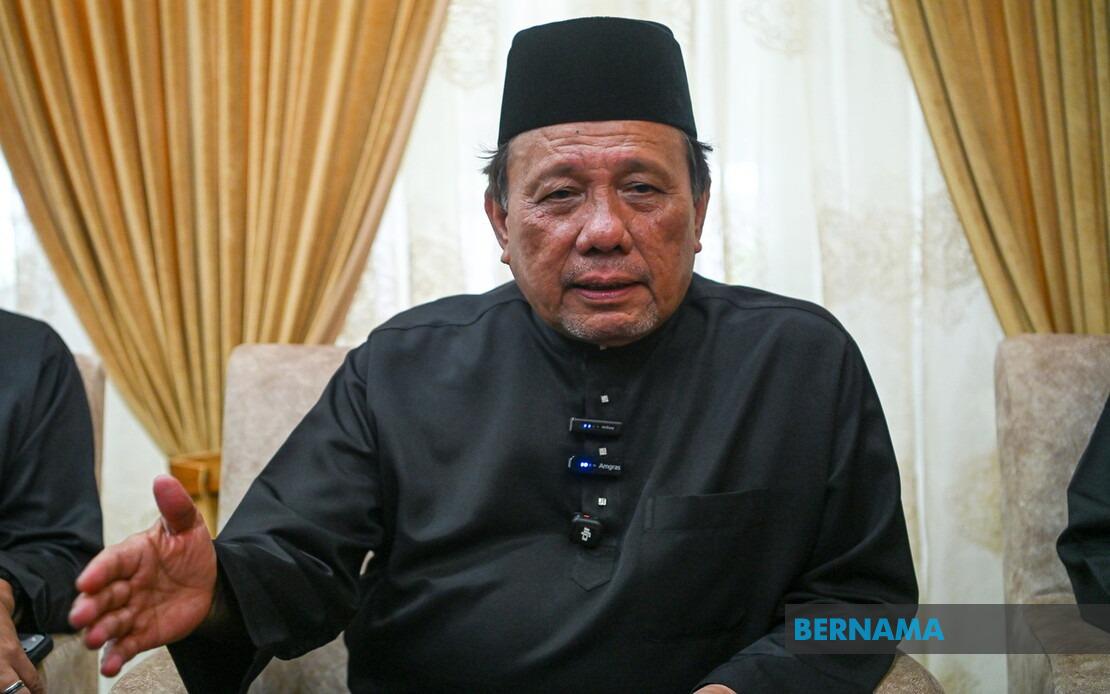
Negeri Sembilan Menteri Besar Datuk Ismail Lasim has taken over as chairman of Negeri Sembilan Football Club (NSFC), effective immediately, in a move that brings state leadership closer to the administration of one of Malaysia's established football institutions. The appointment, confirmed by Negeri Sembilan Football Association (PBNS) president Tunku Besar Tampin Tunku Syed Razman Tunku Syed Idrus Al-Qadri on August 14, follows the departure of Datuk Seri Aminuddin Harun from the position.
Ismail's selection represents a return to the football fold for the state's chief executive, who maintains long-standing connections to Negeri Sembilan football spanning multiple decades. His familiarity with the organisation's structure, players, and strategic direction provides continuity during what could otherwise be a transitional period for the club. The PBNS president expressed confidence that the incoming chairman's background would prove instrumental in steering the organisation toward sustainable development, noting that Ismail's involvement in the sport is neither recent nor superficial.
The newly appointed chairman served as team manager during the 1990s and early 2000s, a period when he developed intimate knowledge of the club's operations, player management, and the broader ecosystem of state football. His tenure in that capacity gave him exposure to the practical challenges of maintaining competitive standards while developing local talent. Beyond his management role, Ismail held the position of PBNS vice-president in 2010, demonstrating his broader engagement with football governance across the state apparatus.
Tunku Syed Razman's statement articulated an ambitious vision for NSFC under the new leadership, positioning the appointment as more than a routine administrative change. The PBNS president emphasised that Ismail's experience and leadership capabilities would be directed toward professionalising the club's operations while ensuring long-term viability. This suggests recognition that Malaysian football clubs, particularly at the state level, require more sophisticated management structures and strategic planning to remain competitive in an increasingly demanding domestic landscape.
The appointment carries implications for how Negeri Sembilan approaches football development as a strategic priority. By placing the club directly under the guidance of the state's chief administrator, the arrangement potentially facilitates closer coordination between NSFC, the PBNS, the state government machinery, and external stakeholders invested in football's advancement. This integration of governmental and sporting structures could streamline resource allocation, sponsorship negotiations, and access to state facilities that underpin club operations.
NSFC's stated priorities under the new chairman reflect contemporary thinking about competitive football clubs in Malaysia's domestic system. The club intends to maintain focus on constructing a professional organisational framework that can sustain operations over the long term while competing effectively against rival clubs. These objectives extend beyond merely fielding competitive teams to encompassing player development programmes, organisational restructuring, commercial viability, and community engagement initiatives.
The emphasis on player development represents a particularly significant dimension of the club's strategy. Malaysian football clubs have increasingly recognised that long-term success depends less on short-term recruitment of established players and more on systematic cultivation of young talent. Negeri Sembilan's commitment to this approach under Ismail's leadership suggests alignment with progressive football management practices that have yielded results in neighbouring Southeast Asian nations.
The commercial aspects referenced in the PBNS president's statement point to another critical challenge facing Malaysian football clubs. Limited broadcasting revenue, inconsistent sponsorship support, and modest match-day income have historically constrained investment in infrastructure and player compensation. Ismail's appointment may signal an intention to pursue more aggressive commercialisation strategies, potentially including improved marketing, enhanced fan engagement initiatives, and expanded revenue streams beyond traditional sources.
Community and supporter relations constitute the final pillar of NSFC's developmental framework. Malaysian football clubs derive significant cultural importance from their roles in state and local identity formation. Strengthening connections with supporters and the broader Negeri Sembilan community could translate into improved attendance figures, enhanced merchandise sales, and deeper institutional roots that buffer the club against financial volatility. This grassroots engagement remains underutilised by many Malaysian clubs despite its potential to generate sustainable revenue and emotional investment.
The transition from Datuk Seri Aminuddin Harun to Ismail Lasim introduces a fresh perspective while maintaining institutional memory through someone with genuine historical connections to the organisation. This balance between continuity and renewal often proves optimal for organisations navigating competitive pressures and internal restructuring simultaneously. Ismail's familiarity with Negeri Sembilan's footballing culture and values, as emphasised by Tunku Syed Razman, should facilitate smoother implementation of any strategic adjustments.
For Malaysian football observers and stakeholders, the appointment signals broader patterns of state governments increasingly recognising football as a vehicle for development and state pride. The positioning of the Menteri Besar in direct oversight of the state's premier football club reflects this elevation of sports' priority within governance frameworks. Whether Ismail's tenure generates measurable improvements in NSFC's competitive performance and organisational health will likely influence how other state governments approach their sporting institutions.
The success of this appointment will ultimately depend on whether the structural advantages of having high-level governmental involvement translate into practical benefits for the club. Access to state resources, improved governance, and strategic coherence could position NSFC competitively, though football's unpredictability ensures no guaranteed outcomes. The coming season will test whether Ismail's experience, leadership credentials, and governmental standing can catalyse the transformation NSFC and its supporters anticipate.

