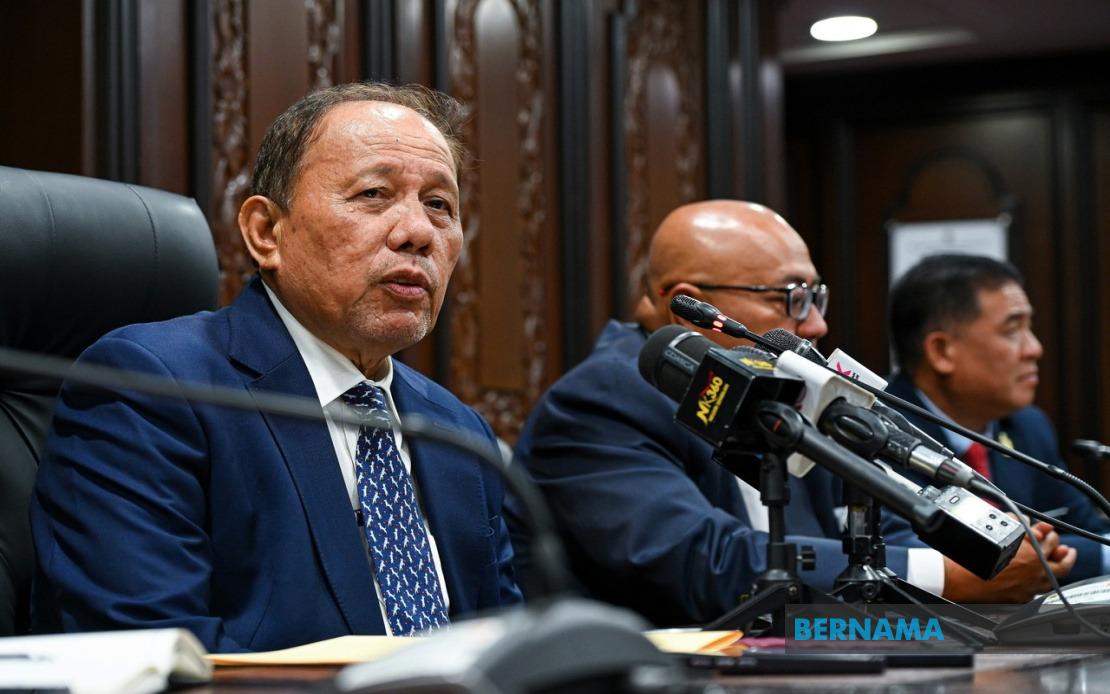
Negeri Sembilan will not raise residential assessment tax rates for the next five years, Menteri Besar Datuk Ismail Lasim announced following the state government's first executive council meeting on August 10. The decision marks an early policy commitment from the newly formed administration, which recently won the 16th Negeri Sembilan State Election. By maintaining existing tax levels without increases, the state government aims to provide immediate relief to residents navigating rising living costs across Malaysia.
The freeze represents a significant departure from what had been under consideration. Local authorities throughout the state had been conducting feasibility studies on potential assessment tax increases, with implementation dates expected either in January or July of this year. The original plan would have raised rates on residential properties, adding to the cumulative cost pressures facing Malaysian homeowners already dealing with higher electricity bills, fuel prices, and general inflation. Ismail's decision to shelve these increases signals the administration's prioritization of household budgets during economically uncertain times.
The announcement carries particular relevance for Negeri Sembilan residents, whose property values and assessed taxes have remained relatively stable compared to more developed states. Assessment tax, calculated based on property valuations and paid annually, directly affects household finances and investment decisions in the real estate sector. A five-year moratorium provides certainty for both existing homeowners and potential property buyers, allowing them to forecast housing costs without the risk of sudden tax escalations. This predictability can encourage residential investment and consumer confidence in the state's property market.
Ismail framed the tax freeze as fulfillment of the Barisan Nasional coalition's election manifesto, underscoring how campaign promises are being translated into immediate administrative action. The new state government, having recently secured voter approval, is demonstrating responsiveness to electoral mandates within its first week of formal governance. This approach aligns with broader national conversations about affordability and the state's responsibility to support middle and lower-income households facing tightening financial circumstances.
The decision also reflects broader fiscal considerations within Negeri Sembilan's administration. While local authorities depend partially on assessment tax revenues for infrastructure maintenance, public services, and development projects, the government evidently determined that economic stimulus and public goodwill outweigh short-term revenue gains. This calculation suggests confidence in alternative funding mechanisms or a deliberate willingness to absorb reduced income during the moratorium period.
Beyond the tax announcement, Ismail outlined significant procedural arrangements for the state legislature. The First Special Session of the 16th Negeri Sembilan State Legislative Assembly, scheduled for August 18, will include ceremonial swearing-in of all state assemblymen and formal appointment of the Speaker and Deputy Speaker. The Speaker position will be filled by someone external to the legislative assembly—an unusual provision that signals deliberate institutional design. The Deputy Speaker must be a sitting assemblyman, though Ismail indicated that while a candidate for the deputy role had been identified for announcement the following week, the Speaker selection remained under consideration.
This legislative setup warrants attention because it affects legislative dynamics and procedural authority. Appointing a non-assemblyman as Speaker can introduce independent oversight or represent alignment with particular party interests, depending on who ultimately receives the appointment. The staggered announcement of these positions suggests careful negotiation among coalition partners in the Negeri Sembilan government, particularly relevant given Malaysia's multi-party federal context where state governments navigate complex power-sharing arrangements.
Ismail's first executive council meeting also emphasized administrative standards and team cohesion. He stressed that all exco members must execute their respective portfolios with dedication, integrity, professionalism, and commitment—language suggesting an effort to establish clear performance expectations and accountability frameworks from the outset. This messaging matters in Malaysian state governance, where executive councils manage diverse interests and sometimes experience internal friction around resource allocation and policy priorities.
The new Menteri Besar's emphasis on departmental alignment and coordinated direction indicates an intention to present unified governance rather than fragmented fiefdoms controlled by individual exco members. For a state government to function effectively, particularly one potentially comprising coalition partners, maintaining cohesion around overarching strategic direction proves essential. Ismail's explicit articulation of these expectations in his inaugural meeting suggests he is consciously building administrative culture and preventing the bureaucratic siloing that sometimes undermines state government effectiveness.
For Malaysian property owners and residents beyond Negeri Sembilan, this announcement offers a case study in how state governments exercise fiscal authority over local taxation. While the five-year freeze applies specifically to Negeri Sembilan, similar pressures exist across other states as local authorities seek increased revenues. This decision may influence public expectations in neighboring states and contribute to broader conversations about assessment tax policy at the national level, particularly if other state administrations face constituent pressure to adopt similar freezes.
The timing of these announcements—within the government's opening week—underscores Ismail's political strategy of establishing early credibility through concrete policy wins addressing household budgets. This approach contrasts with administrations that delay popular decisions, instead delivering them gradually to extend political capital over longer periods. By acting swiftly on the tax pledge, the new government demonstrates decisiveness while residents' focus on the recent elections remains fresh.
Moving forward, Negeri Sembilan's government faces the challenge of sustaining administrative momentum while managing the financial implications of the tax freeze. The August 18 legislative session will provide the first public window into how the administration coordinates across its various components and how opposition parties respond to early government policy. As Malaysia's state governments continue experimenting with different fiscal and administrative approaches, Negeri Sembilan's decisions will merit monitoring for broader implications regarding taxation, governance structures, and the relationship between electoral mandates and policy delivery.

