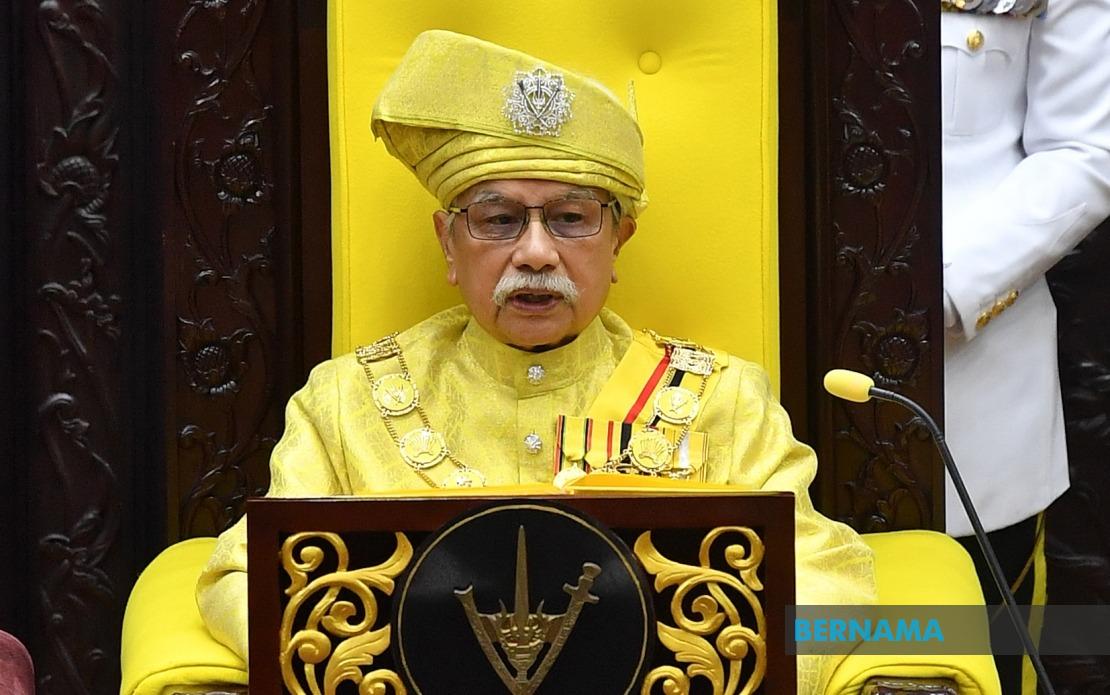
Tuanku Muhriz Tuanku Munawir, the Yang Dipertuan Besar of Negeri Sembilan, has given his consent to conduct a formal royal audience ceremony this Saturday at Istana Besar Seri Menanti to formalise the installation of Rembau's new Undang. The decision was announced by Tunku Ali Redhauddin Tuanku Muhriz, the Tunku Besar Seri Menanti, during a meeting with Rembau's adat leaders at the istana in Kuala Pilah on June 25.
Hassan Ab Hamid, who is 67 years old, has been chosen as the 22nd Undang of Rembau following a selection process conducted strictly according to the region's customary traditions and established adat protocols. The position had remained vacant since the death of Datuk Lela Maharaja Datuk Muhamad Sharip Othman in May 2024, who passed away at the age of 83. The new Undang's selection represents the continuation of governance practices that have shaped Rembau's community leadership for generations within the broader Negeri Sembilan framework.
In his address, Tunku Ali Redhauddin conveyed his father's formal approval for the ceremony known as Istiadat Menghadap Menjunjung Duli Bagi Menyempurnakan Kejadian Undang Luak Rembau, which translates to the formal audience to perfect the installation of the Rembau Luak Undang. He directed adat leaders to coordinate with the Orang Empat Istana regarding ceremony arrangements and preparations. The Tunku Besar also expressed confidence that all preparations would proceed without complications.
Datuk Juan Datuk Zulkipli Shamsudin, who chairs the Kerapatan Buapak Delapan ceremony for the Biduanda Nan Dua Carak customary clan, provided additional context about the selection process. He emphasised that Hassan Ab Hamid's designation followed the exact procedures established within Rembau's customary framework, reflecting the community's adherence to its governance heritage. The meticulous nature of these processes underscores how seriously Rembau's adat leaders treat the continuity of their institutional traditions.
A critical distinction that Zulkipli highlighted relates to the fundamental nature of the Adat Perpatih system governing Negeri Sembilan. Under this customary framework, the Undang is not appointed by the Yang Dipertuan Besar through executive decision but instead emerges through the luak's own internal selection mechanisms. This represents a crucial difference from other Malaysian sultanate systems where rulers hold more direct appointing authority. The Adat Perpatih system, unique to Negeri Sembilan, distributes power across multiple stakeholders and institutions.
The royal prerogative within this system operates more narrowly than might be assumed. Zulkipli clarified that His Royal Highness's role is fundamentally receptive rather than proactive—to receive delegations from the luak when they formally seek an audience and, when custom demands it, to grant recognition and consent to decisions that the community has already reached independently. This arrangement prevents any individual from being chosen or summoned by the ruler according to his personal preference. The distinction matters significantly for understanding how governance actually functions within Negeri Sembilan's unique constitutional and customary arrangements.
Zulkipli also addressed potential misunderstandings about the mechanism, noting that some observers might misconstrue the Yang Dipertuan Besar's formal recognition as tantamount to appointment or selection. He stressed that such interpretations fundamentally misunderstand the centuries-old adat principles that have structured Negeri Sembilan's governance throughout its modern history. The customary law that underpins the state's institutions reflects careful constitutional thinking about the relationship between royal authority and community self-determination.
The installation ceremony scheduled for Saturday represents an important moment of formal recognition and ceremonial completion rather than a moment of actual selection or transfer of power. By that point, Hassan Ab Hamid will already hold the position through the adat community's validation. The Saturday event will serve to mark the occasion publicly and ceremonially, providing the state's highest institutional acknowledgment of what the community has already determined. This temporal distinction between actual appointment and formal recognition illustrates how Negeri Sembilan's dual-track governance system operates in practice.
For Malaysia's broader governance landscape, the Rembau succession demonstrates how customary systems continue to function alongside more centralised state institutions. While federal structures and sultanic authority dominate discussions of Malaysian constitutional law, Negeri Sembilan's Adat Perpatih represents an alternative model that privileges collective community decision-making and distributed institutional authority. The system has proven sufficiently durable to persist through Malaysia's transformation from colonial territory to independent federation.
The appointment process also reflects deeper questions about authority, legitimacy, and representation in contemporary Malaysia. In an era when centralised decision-making often characterises institutional change, Rembau's adherence to participatory customary selection processes suggests that communities can maintain their voice in leadership succession. The formal royal ceremony on Saturday, while ceremonially important, ultimately validates rather than determines the community's choice, preserving the integrity of established adat principles.
For observers in other Southeast Asian jurisdictions grappling with similar tensions between traditional customary systems and modern governance structures, Negeri Sembilan's approach offers instructive lessons about how heritage institutions can adapt and endure. The state has managed to preserve its unique adat framework within Malaysia's federal system, neither discarding custom entirely nor allowing it to obstruct efficient modern governance. This balance remains comparatively rare across the region.

