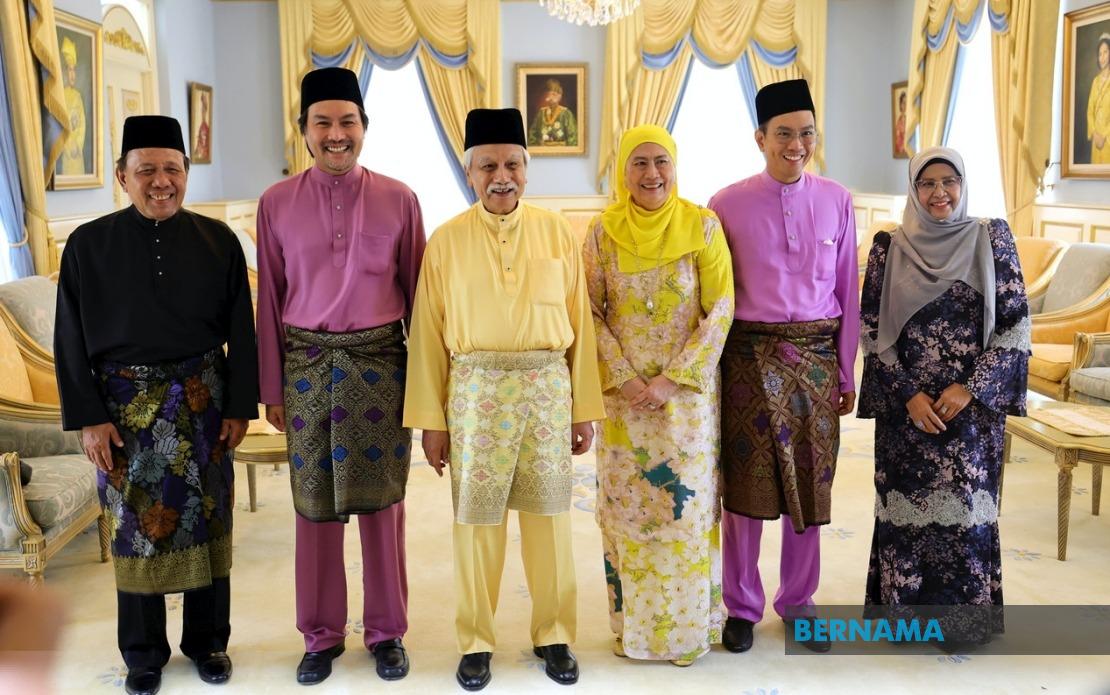
Datuk Ismail Lasim, who was sworn in as Negeri Sembilan's new Menteri Besar on Friday, has signalled that the state's executive council will be formally constituted within days. Speaking at his inaugural press conference in Kuala Pilah, the Juasseh assemblyman indicated that the cabinet lineup should be confirmed by the end of the week, pending the necessary approvals and consultations that remain underway.
The timeline reflects the urgency felt by multiple stakeholders to establish a functioning administration. Tuanku Muhriz Tuanku Munawir, the Yang Dipertuan Besar of Negeri Sembilan, has made clear his preference for swift resolution of the matter, according to Ismail. Before any formal announcement can be made, however, the proposed composition must first receive the blessing of the Barisan Nasional leadership and subsequently be presented to the ruler for royal consent—a constitutional requirement that shapes the pace of proceedings.
Ismail has committed to engaging with UMNO president Datuk Seri Dr Ahmad Zahid Hamidi to discuss not only the broader architecture of the executive council but also the contentious question of whether elected representatives from Perikatan Nasional should be included in the cabinet. This consultation underscores the complex political calculus in Negeri Sembilan following the recent state election, where no single party or coalition achieved an overwhelming majority that would simplify decision-making about ministerial posts.
The composition of the cabinet will ultimately reflect the coalition arithmetic that emerged from the August 1st state election. Barisan Nasional secured 18 of the 36 state assembly seats contested, while Perikatan Nasional claimed seven seats. Together, the two coalitions command thirty-five seats—well above the eighteen-seat threshold needed for a two-thirds majority. This commanding position provides the ruling arrangement considerable stability but also creates expectations that both components should be meaningfully represented in the executive structure.
On the size of the executive council, Ismail has indicated that maintaining the traditional ten-member format would be most appropriate for efficient governance in Negeri Sembilan. However, he acknowledged that discussions on the precise headcount and the allocation of specific portfolios have not yet concluded. Such decisions depend on settling which assemblymen from BN's various component parties—including not only UMNO but also the Malaysian Chinese Association and the Malaysian Indian Congress—will receive ministerial positions, and then determining whether PN representatives will also secure executive roles.
The deliberative approach being adopted reflects the political realities facing the new administration. Unlike scenarios where a single party holds an outright majority, Ismail must balance multiple interests and stakeholder concerns. The inclusion of PN assemblymen in the executive council remains a live question that requires resolution through discussion with Ahmad Zahid, suggesting that the allocation of power and influence continues to be negotiated even after election victory.
Beyond the technical matter of cabinet composition, Ismail has positioned the welfare and well-being of ordinary Negeri Sembilan residents as the central pillar of his administration's mandate. In his view, the government exists to serve the people who elected it, and this responsibility should guide all subsequent policy priorities and resource allocation decisions. This framing signals an intent to focus the incoming administration on tangible delivery rather than becoming consumed by internal coalition management or factional disputes.
The electoral outcome that enabled this transition also carries important implications for Malaysia's broader political landscape. The decisive performance by Barisan Nasional across the state—winning 50 percent of the contested seats—signals that the veteran coalition retains considerable appeal among voters in at least some states, despite losing federal power in 2018. Perikatan Nasional's result, meanwhile, demonstrates the movement's persistent ability to mobilize support at the state level, even as it grapples with internal tensions at the federal level.
For Malaysian observers tracking state-level politics, the manner in which Ismail navigates the coming negotiations will merit close attention. How he balances the interests of UMNO, MCA, MIC, and PN; whether he succeeds in establishing a cabinet that functions cohesively despite being formed from representatives of two separate coalitions; and whether his professed focus on public welfare can overcome the typical centrifugal forces of coalition politics—all these questions will shape whether Negeri Sembilan's new administration becomes a model of stable governance or a cautionary tale of coalition fragmentation. The coming weeks, starting with the cabinet announcement expected by week's end, will provide the first indications of the administration's trajectory.

