A comprehensive nationwide initiative has been announced to help Malaysians understand the findings of the Royal Commission of Inquiry into Tabung Haji's operations, with Islamic scholars and religious leaders playing a central role in disseminating information across the country. The campaign will leverage multiple platforms including mosques, prayer halls, educational institutions, government offices, and community centres to ensure the message reaches diverse audiences. Former Minister in the Prime Minister's Department (Religious Affairs) Datuk Seri Dr Mujahid Yusof Rawa emphasized that the effort represents a crucial step toward restoring public confidence in how the institution manages deposits belonging to its 9.7 million account holders.
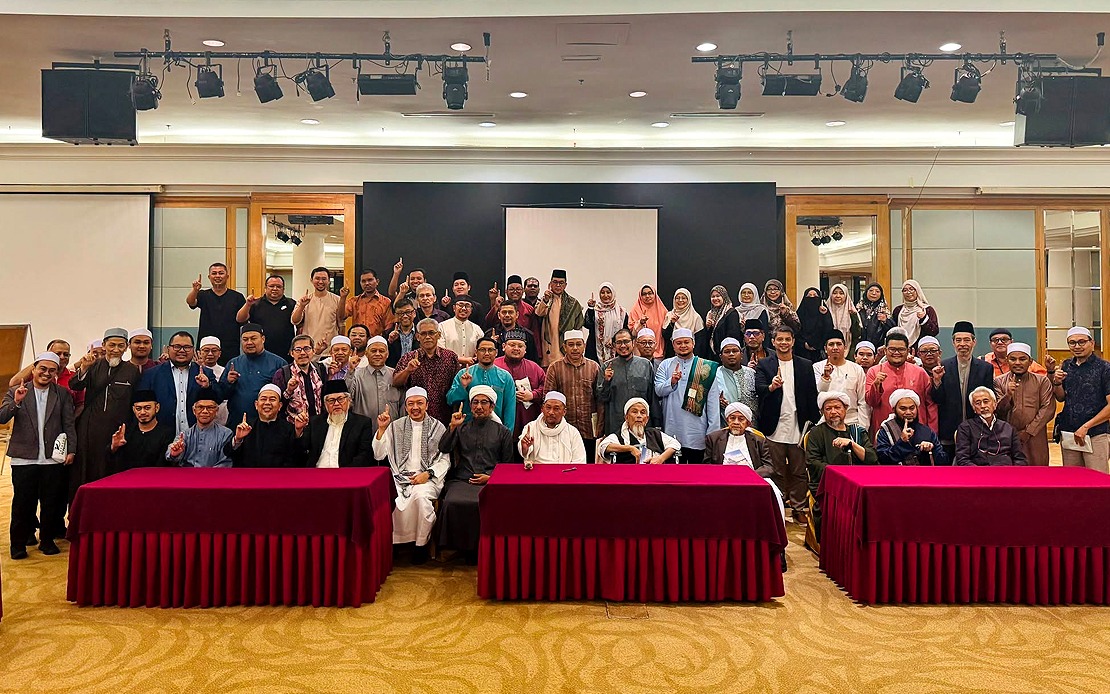
The initiative emerged from a significant gathering known as the Hifz al-Mal conference, which convened more than 100 Islamic scholars and religious leaders at De Palma Hotel in Ampang. This assembly brought together a deliberately diverse coalition of voices to examine the RCI findings from multiple angles, recognizing that Tabung Haji's challenges demand expertise spanning religious, financial, legal, and governance domains. The conference title itself—Hifz al-Mal, meaning the protection of wealth—reflects the philosophical foundation underlying the campaign, underscoring Islam's emphasis on safeguarding communal assets entrusted to institutions.
The structure of the conference highlighted an important strategic choice by organizers, who ensured representation from chartered accountants, economic commentators, legal practitioners, religious educators, and traditional pondok scholars alongside conventional religious leadership. This multidisciplinary approach acknowledges that understanding how Tabung Haji's deposits were managed requires technical financial literacy as well as religious and ethical grounding. The combination creates a framework where religious figures can explain the institution's failures not merely as moral lapses but as violations of Islamic principles governing trust, transparency, and prudent stewardship of community resources.
According to Mujahid, who holds the position of Amanah deputy president, the Malaysian Ulama Secretariat organized the conference in partnership with the Malaysian Ulama Council's Spiritual Leader Abdul Rahim Abdul Rahman. This collaboration between formal Islamic institutional structures demonstrates high-level coordination to ensure the message carries credibility and reaches receptive audiences within Malaysia's Muslim-majority society. The involvement of such established religious bodies signals that explaining the RCI findings is not merely a government communications exercise but a matter of collective religious responsibility.
The campaign will address multiple dimensions of the Tabung Haji situation through these varied channels. Mosques and suraus, as spaces where Muslims gather regularly, become natural venues for disseminating both factual findings and ethical commentary. Schools and universities enable engagement with younger demographics who may inherit consequences of institutional failures while developing their own understanding of governance and accountability. Government departments and colleges create pathways to reach professionals and public servants responsible for policy implementation and institutional oversight.
Mujahid articulated the core objectives underlying this nationwide effort with particular clarity: ensuring that facts are properly explained, maintaining public trust in religious and financial institutions, and preventing future misappropriation of community assets. He framed Tabung Haji explicitly as a trust held on behalf of Malaysia's Muslim community, a characterization that elevates protection of the institution beyond regulatory compliance into the realm of religious obligation. This framing proves significant for Malaysian context, where appeals to shared religious responsibility can mobilize engagement more effectively than purely technical or bureaucratic appeals.
The emphasis on preventing future misuse reflects recognition that the RCI findings exposed serious governance failures requiring more than reactive investigation. Instead, embedding accountability into community consciousness through religious and educational channels addresses the cultural and institutional dimensions of the crisis. By enlisting Islamic scholars and religious figures as explainers rather than treating them as passive recipients of government messaging, the initiative taps into existing networks of trust and influence within Malaysian society.
For Southeast Asia more broadly, this campaign illustrates how Muslim-majority nations navigate institutional crises affecting faith-based financial vehicles. Tabung Haji represents a distinctly Islamic financial instrument designed to enable pilgrimage to Mecca while preserving savings, making its failure particularly acute for its constituency. The response demonstrates how governments and religious leadership can collaborate to restore institutional legitimacy without dismissing the severity of proven failures.
The involvement of diverse scholarly voices—from chartered accountants explaining financial mechanics to religious educators contextualizing ethical obligations—suggests that rebuilding trust requires acknowledging complexity. Tabung Haji's challenges were not simple matters of theft or incompetence but involved structural, operational, and governance dimensions that technical experts and religious authorities must jointly illuminate. This approach recognizes that Malaysian depositors, numbering nearly 10 million, deserve explanations that integrate religious principle, financial reality, legal accountability, and practical safeguards.
Moving forward, the success of this campaign will depend on how effectively local religious leaders internalize and communicate the RCI findings within their communities. The translation of conference discussions into accessible explanations suitable for diverse audiences—from mosque congregations to university seminars—remains crucial. Religious figures must balance explaining institutional failures candidly with maintaining sufficient confidence in reformed structures to ensure continued public participation.
The nationwide rollout also signals Malaysian policymakers' recognition that institutional failures affecting religious and financial trust require comprehensive, long-term engagement rather than episodic announcements. By mobilizing Islamic scholars and religious leaders across multiple platforms, the campaign acknowledges that restoring confidence in Tabung Haji demands sustained effort rooted in community-based channels and grounded in shared Islamic values of accountability and stewardship.

