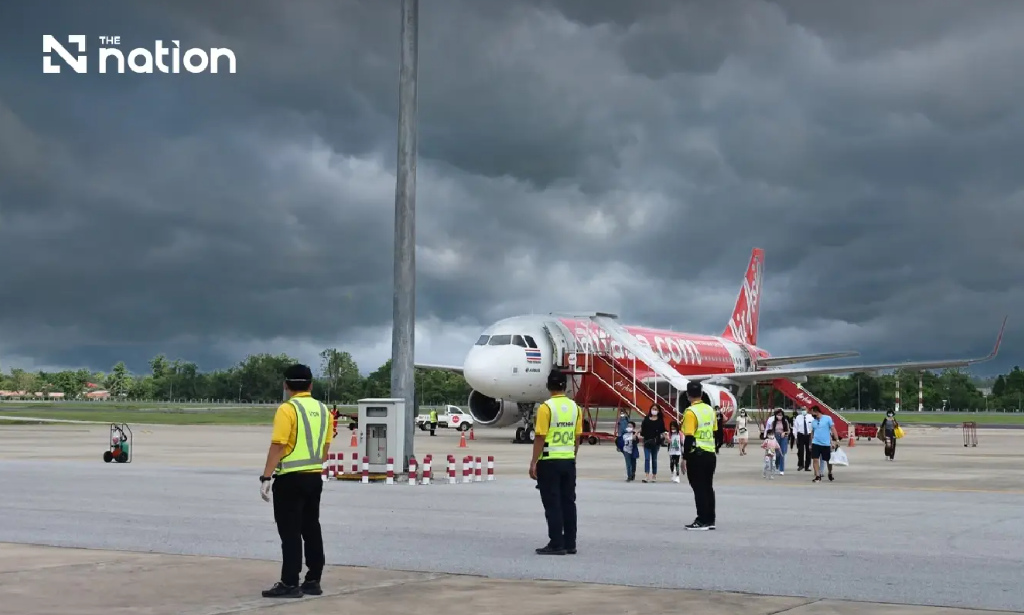
Nan Nakhon Airport in Thailand's northern region continues to function and maintain its flight schedule despite widespread flooding affecting multiple areas across Nan province, according to statements from aviation authorities released on Wednesday. The Civil Aviation Authority of Thailand (CAAT) has instructed passengers to verify current road and traffic conditions before travelling to the airport, as the intensity of rainfall has rendered several access routes impassable or severely compromised. The situation underscores the vulnerability of critical infrastructure in regions prone to seasonal monsoon flooding, an issue that resonates across Southeast Asia where similar vulnerabilities plague transportation networks in rural and provincial areas.
Passengers planning to travel through Nan Nakhon Airport should anticipate extended journey times, with authorities recommending they allocate between three and four hours for ground transport to reach the facility. Airlines have been instructed to maintain continuous communication with travellers regarding flight status and any potential modifications to schedules. The meteorological conditions—characterised by sustained heavy rainfall, electrical storms, powerful wind gusts and significantly reduced visibility—create hazardous circumstances that could result in flight postponements, routing changes or cancellations, factors that have direct implications for business connectivity and tourism movements within the region.
One notable incident illustrated these operational challenges when a Thai AirAsia flight departing from Bangkok's Don Mueang Airport and scheduled to arrive at Nan Nakhon Airport at 8:30 in the morning was instead redirected to Chiang Mai Airport due to dangerous visibility conditions. The aircraft subsequently returned to Nan Nakhon Airport later that morning, landing safely at 11:15 after weather conditions improved sufficiently to permit safe operations. Such diversions, while necessary for passenger safety, create cascading disruptions affecting connections, business schedules and tourism itineraries throughout the northern corridor.
The extent of flooding damage has prompted significant government intervention at the ministerial level. Deputy Transport Minister Phattharaphong Phattharaprasit issued directives requiring the Department of Airports (DOA) to establish continuous monitoring operations to protect airport infrastructure and ensure uninterrupted service. Flash flooding concentrated in Pua district has inundated 12 subdistricts and affected approximately 107 villages, indicating the scale of the meteorological event and its impact on civilian populations beyond airport operations. This broader context of community displacement and infrastructure damage highlights how aviation disruptions represent merely one dimension of a much larger humanitarian situation.
Airport management has implemented comprehensive contingency measures to safeguard operations and maintain service reliability. Staff members are continuously monitoring water levels both within airport facilities and in surrounding areas, while drainage infrastructure is being actively inspected for obstructions that could impede proper water discharge. The monitoring extends beyond immediate airport boundaries to encompass surrounding terrain, ensuring that environmental conditions affecting runway operations, aircraft movements and ground support activities are continuously assessed. Additionally, backup electrical generators have been positioned and readied to provide power supply continuity should the Provincial Electricity Authority's distribution network experience disruption from flooding or related damage.
Coordination protocols have been established among multiple government agencies to ensure rapid response capabilities during emergencies. Airport operations are now integrated with air traffic control services, meteorological monitoring centres, disaster prevention and mitigation offices, and the Provincial Electricity Authority to create a unified response framework. This inter-agency coordination structure enables real-time information sharing and permits rapid decision-making regarding flight operations, passenger assistance and resource allocation. The DOA has also been directed to prioritise facilitating flights operated by government agencies and private organisations delivering humanitarian assistance to flood-affected communities, reflecting a broader commitment to supporting disaster relief efforts.
The regulatory framework governing passenger protection during such disruptions is anchored in the Civil Aviation Board Regulation No. 101, which establishes specific rights and protections for passengers on scheduled domestic and international flights. This regulation delineates airline responsibilities when flights experience delays, cancellations or boarding denials, establishing requirements regarding passenger information provision and material assistance. However, the compensation and support available to affected passengers is contingent upon the identified cause of disruption and specific conditions outlined within the regulation, creating variable outcomes depending on whether disruptions are classified as force majeure events or airline-attributable failures.
For Malaysian travellers and businesses with operations or connections in northern Thailand, this situation carries practical implications. The Nan region serves as a gateway for trade, tourism and business activities connecting Malaysia with Laos and other Indochinese destinations. Extended journey times to the airport and potential flight delays or cancellations disrupt supply chains, tourism itineraries and business schedules that depend on reliable air connectivity. Companies operating across the Malaysia-Thailand border region should implement contingency planning to accommodate potential disruptions to air transport networks, particularly during monsoon seasons when similar flooding events occur with predictable regularity.
Deputy Transport Minister Phattharaphong has also directed the DOA to prepare additional support measures for affected residents following the recession of floodwaters, indicating a phased approach to recovery that encompasses both immediate operational continuity and longer-term community reconstruction. This commitment to post-disaster support suggests that government authorities recognise their broader responsibility to affected civilian populations beyond simply maintaining airport functionality. The experience in Nan province provides cautionary lessons for other regional aviation authorities managing infrastructure in flood-prone areas, particularly regarding the necessity of robust drainage systems, water management infrastructure and comprehensive disaster response protocols.
Travellers should continue verifying ground route conditions and confirming flight status directly with their airline before departing for Nan Nakhon Airport, as weather and ground conditions remain subject to rapid change. Airlines are obligated to provide timely updates regarding any modifications to flight schedules or operational status. The ongoing situation in Nan province exemplifies how natural disasters create cascading disruptions across multiple economic and social systems, underscoring the importance of resilient infrastructure planning and disaster preparedness measures throughout Southeast Asia's aviation sector. Regional cooperation on sharing best practices for airport resilience in flood-prone environments could strengthen the overall stability of air transport networks across the subregion.

