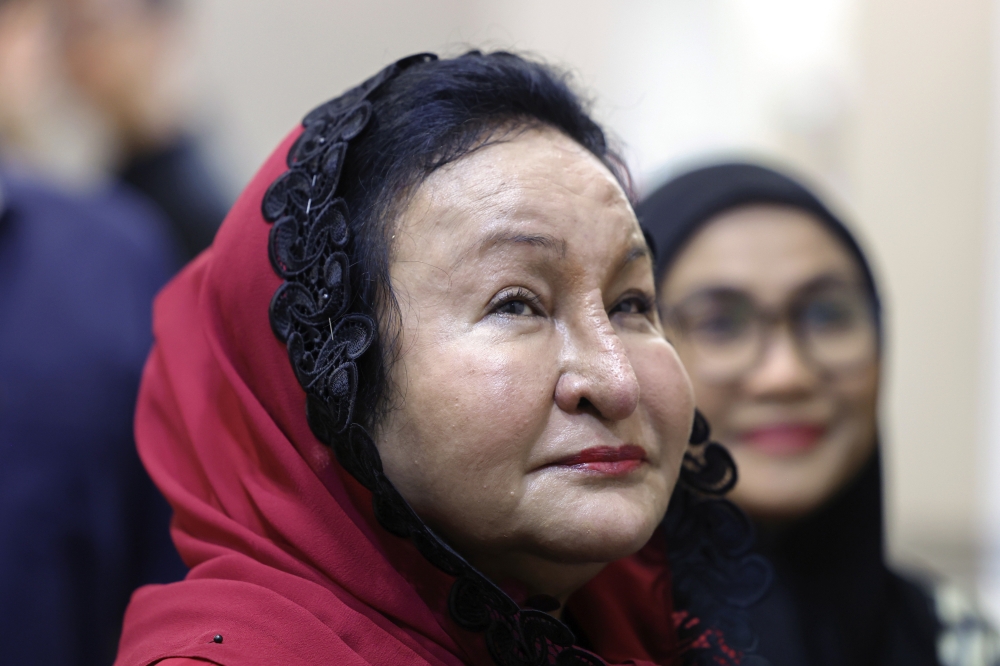
Former Prime Minister Datuk Seri Najib Razak is preparing for an upcoming medical intervention to address arterial buildup, his wife Datin Seri Rosmah Mansor revealed on Friday. The procedure, designed to remove plaque accumulation near a blood vessel, represents a preventive measure to maintain the circulation system's health. The announcement comes as the former leader continues to navigate multiple legal and political challenges while managing his personal health requirements.
Rosmah disclosed the medical development without specifying the exact timing of the intervention, though she indicated it had been previously scheduled. Such vascular procedures have become increasingly routine in contemporary medicine, particularly for individuals managing cardiovascular risk factors or demonstrating arterial blockage during diagnostic screening. The removal of plaque deposits from blood vessels addresses a significant contributor to cardiovascular complications and stroke risk.
Najib's health status holds relevance beyond personal medical concerns given his continued prominence in Malaysian politics and ongoing court proceedings. The former premier has maintained a public presence despite conviction on corruption charges related to misappropriated funds from 1Malaysia Development Berhad (1MDB), a scandal that fundamentally reshaped Malaysia's political landscape following the 2018 general election. His legal battles continue to unfold across multiple jurisdictions with implications for accountability standards within Malaysia's political establishment.
The timing of this health disclosure reflects broader patterns in Malaysian political coverage, where prominent figures' medical circumstances frequently attract public scrutiny and media attention. Previous announcements regarding high-profile politicians' health conditions have generated substantial discussion regarding leadership capacity, succession planning, and administrative continuity. Such developments often intersect with political fortunes and public perception, particularly for individuals maintaining controversial legacies or contested public support.
Rosmah's role in publicising her husband's medical needs underscores the traditional dynamics of spousal communication within Malaysia's political sphere. Spouses of prominent political figures frequently serve as primary sources for personal health information, a pattern reflecting both family privacy preferences and cultural conventions surrounding public disclosure. The decision to announce the procedure suggests neither urgency nor secrecy, positioning it as a routine medical maintenance activity requiring public acknowledgment.
Vascular interventions targeting arterial plaque represent established medical procedures with well-documented success rates and recovery protocols. Modern cardiology has refined techniques for removing arterial blockages, ranging from pharmaceutical interventions to mechanical procedures, depending on severity and location. The specific methodology chosen for Najib's treatment would depend on diagnostic findings from imaging studies and specialist assessment.
For Malaysians following contemporary politics, Najib's continued health management holds symbolic weight amid the country's ongoing reckoning with the corruption scandals that defined the Barisan Nasional government's final years. His personal resilience and public visibility despite legal convictions have sustained his faction's political influence within UMNO, complicating party dynamics as the organisation navigates post-election repositioning. Any significant health developments affecting prominent political figures inevitably attract commentary regarding their capacity to sustain political involvement.
The announcement also reflects evolving Malaysian media practices regarding health disclosures by public figures. Whereas previous generations of political leaders maintained greater privacy regarding medical matters, contemporary public figures increasingly balance health transparency with personal discretion, recognising that media speculation often proliferates absent official information. Strategic disclosure through spousal or official channels provides controlled narrative management while acknowledging public interest in prominent individuals' wellbeing.
Beyond immediate personal implications, Najib's medical situation intersects with broader Southeast Asian political patterns where aging leadership cohorts navigate health management alongside political responsibilities. Malaysia's political system increasingly grapples with succession transitions and the medical contingencies affecting long-serving officials. The former premier's case exemplifies broader regional trends affecting political stability and continuity planning across established political movements.
Rosmah's decision to publicly confirm the medical procedure demonstrates the continued public dimensions of family life within Malaysia's political elite. Unlike completely private health matters handled through personal physicians without disclosure, high-profile politicians' medical circumstances frequently become subjects of public communication, potentially influencing political calculations and public perception. The relatively straightforward announcement suggests the family views the procedure as manageable and routine rather than constituting a significant health crisis.
The disclosure ultimately underscores how personal circumstances and political prominence intersect within Malaysia's contemporary political environment. Najib's medical needs, while fundamentally personal matters, necessarily acquire political dimensions given his controversial trajectory and ongoing legal proceedings. His ability to manage health requirements while navigating complex legal circumstances and maintaining political relevance demonstrates the multifaceted demands confronting prominent Malaysian political figures operating within contested legacies and evolving institutional frameworks.

