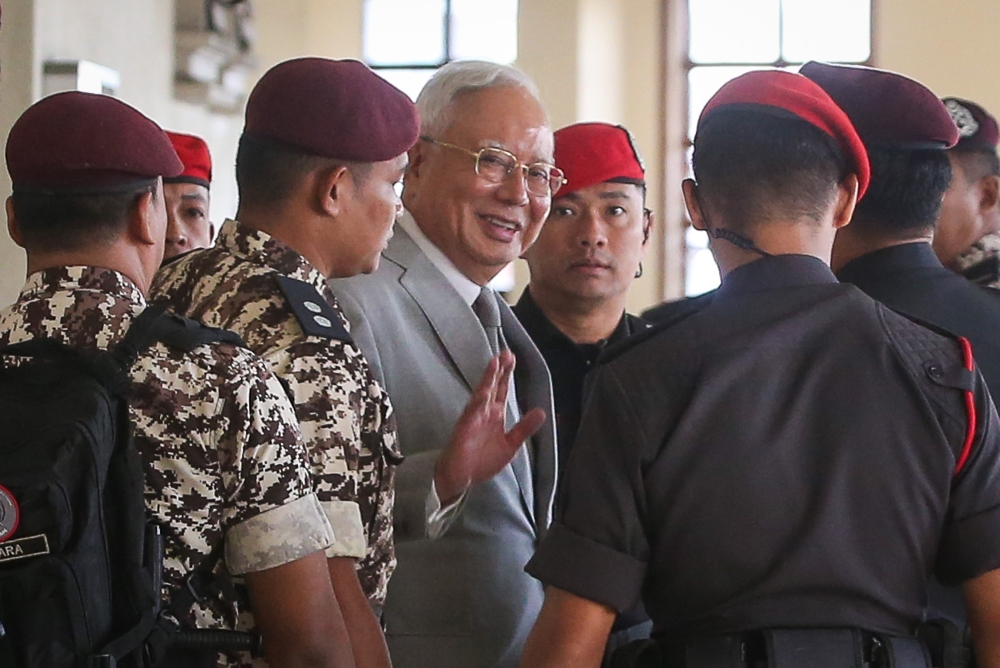
Former prime minister Datuk Seri Najib Razak is scheduled to undergo a heart procedure at Serdang Hospital within the next seven days, marking a significant health development for Malaysia's political establishment. The cardiac intervention comes as the former leader continues to navigate ongoing legal proceedings and political matters affecting the nation.
Serdang Hospital, one of Malaysia's premier medical institutions located in the Selangor state capital, has been selected as the venue for the procedure. The hospital is well-equipped with advanced cardiac facilities and specialist teams capable of handling complex heart-related interventions, making it a logical choice for such medical requirements.
Najib's health status has been a matter of public interest given his prominent position in Malaysian politics and his continued involvement in significant legal cases. The timing of the procedure suggests that medical professionals have determined that the intervention is necessary to address underlying cardiac concerns, though specific details regarding the exact nature of the procedure have not been disclosed publicly.
The former premier's ongoing legal battles have dominated headlines in recent years, with multiple cases relating to governance and financial matters remaining active in Malaysian courts. His scheduled medical procedure may necessitate adjustments to court schedules and legal proceedings currently underway, depending on recovery timelines and medical recommendations.
From a political perspective, Najib's continued public prominence reflects the enduring divisions within Malaysia's political landscape. His supporters maintain that he remains a significant voice within UMNO and the broader ruling coalition, while critics point to the various legal challenges as evidence of broader governance concerns during his tenure as prime minister between 2009 and 2018.
The availability of advanced medical facilities such as those at Serdang Hospital underscores Malaysia's healthcare infrastructure development. The nation has invested substantially in cardiac care capabilities, attracting both domestic patients and regional medical tourism. This procedure represents another instance of prominent figures utilising domestic medical resources rather than seeking treatment abroad.
Former political leaders frequently attract heightened media scrutiny regarding their health status, as any significant developments can have implications for political dynamics and public discourse. Najib's procedure will inevitably generate discussion among political analysts examining potential impacts on his legal cases and political activities, though medical decisions remain fundamentally personal matters.
The timing of such medical interventions often proves challenging for individuals with complex legal schedules. Malaysian courts typically accommodate health-related requests that are substantiated by medical evidence, suggesting that legal representatives will need to coordinate with the judiciary regarding any necessary postponements of proceedings.
Cardiac procedures have become increasingly routine in modern medicine, with survival rates and successful outcomes continuing to improve through technological advancement and specialist expertise. Malaysian hospitals have demonstrated capability in managing complex cardiac cases, contributing to positive patient outcomes across the country's healthcare system.
The announcement of Najib's procedure also reflects broader societal conversations about health and ageing among Malaysia's political figures. As many seasoned politicians age, health considerations become increasingly relevant to their public roles and legal responsibilities, prompting discussions about succession planning and institutional continuity within political parties.
Looking forward, the success of this procedure and Najib's recovery trajectory may influence his level of engagement with ongoing political and legal matters. Public figures undergoing significant medical interventions often experience periods of reduced activity, though ultimate recovery depends on individual circumstances and post-operative care.
The broader implications for Malaysian politics remain to be seen, particularly regarding the outcome of his legal cases and his continued influence within UMNO. However, his scheduled procedure at Serdang Hospital represents a significant personal health matter that will necessarily command attention from both political observers and the general public in the coming weeks.

