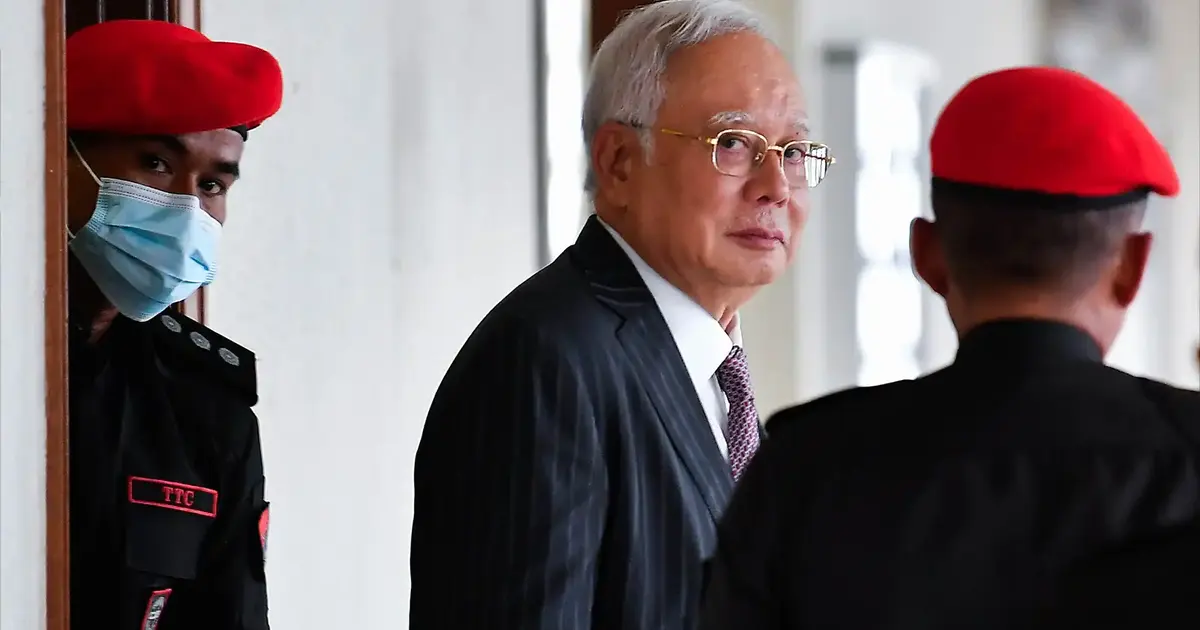
Former Prime Minister Najib Razak's legal defence has launched a significant challenge to the impartiality of a major investigation into US$620 million in 1MDB fund movements, with his senior counsel raising serious questions about the timing and conduct of the probe. The challenge centres on Richard Templeman, investigations director at Kroll Advisory Ltd, with Najib's counsel Shafee Abdullah questioning whether the investigator can be considered credible and unbiased given that his work commenced approximately two months after 1MDB filed civil proceedings against the former premier. This procedural objection adds another layer to the highly contentious 1MDB scandal that has dominated Malaysian politics and legal discourse for over a decade.
The timing issue raised by Shafee Abdullah carries substantial weight in legal proceedings, as it potentially suggests the investigation was framed with knowledge of 1MDB's intentions to pursue civil action against Najib rather than developing independently. In civil litigation, questions about investigative bias and the sequence of events can undermine the reliability of evidence presented by one party, particularly when an investigator begins work only after litigation has commenced. This creates the impression that the investigation might have been designed to support pre-existing claims rather than to conduct a neutral, objective examination of the fund movements in question.
The 1MDB scandal itself remains one of the most significant financial controversies in Southeast Asian history. The state investment development fund, established under Najib's administration, became the subject of global scrutiny following allegations that billions of dollars were misappropriated through complex offshore transactions. Various jurisdictions including the United States, Singapore, and Switzerland have investigated the matter, and numerous convictions have already been secured against individuals connected to the fund's mismanagement. For Najib specifically, the legal battles continue through multiple channels—criminal proceedings, civil suits, and investigations into specific fund movements.
Kroll Advisory Ltd, a global risk consulting and investigations firm, is a reputable organization frequently engaged for complex financial investigations worldwide. However, the foundation upon which an investigation is built—particularly the timing of its commencement and whether adequate procedural independence exists—directly affects how courts and judges assess the weight and reliability of its findings. Shafee Abdullah's challenge fundamentally questions whether Kroll's investigation, as conducted by Templeman, can be considered untainted by the civil litigation that preceded it, a concern that extends beyond mere procedural technicality to fundamental fairness in legal proceedings.
The US$620 million in fund movements under investigation represents a substantial portion of the alleged 1MDB misappropriation. These funds, their movement across international banking systems, and their ultimate destination have been central to understanding how the alleged scheme operated. Establishing clear evidence of where the money went and who authorized its movement has proven complex due to the layers of offshore entities and shell companies that were allegedly utilized to obscure the fund flows. Any investigation into these movements therefore carries considerable evidentiary weight in determining culpability.
Najib's defence team strategy appears to focus on undermining the investigative foundation of the case against him rather than solely contesting the substantive allegations. This approach is typical in complex financial cases where lawyers seek to establish that evidence was gathered improperly or that investigators lacked appropriate independence. By highlighting the temporal relationship between 1MDB's filing of the suit and Kroll's commencement of work, Shafee Abdullah is constructing an argument that the investigation was potentially compromised before it began.
For Malaysian observers, this development reflects the ongoing complexity of the 1MDB legal saga, which has already produced multiple guilty verdicts, asset seizures across countries, and substantial diplomatic implications. The case has also influenced international discussions about kleptocracy, cross-border asset recovery, and the vulnerabilities of global financial systems to exploitation by those in power. The various legal proceedings surrounding 1MDB continue to generate significant public interest because the amounts involved dwarf most other financial crimes, and because Najib's former position as prime minister makes the case unprecedented in Malaysian political history.
The challenge to Templeman's credibility and the investigation's neutrality represents a significant moment in Najib's broader legal defence. If courts accept that the timing and circumstances surrounding Kroll's engagement raise sufficient doubts about investigative impartiality, it could impact the evidential weight accorded to their findings. Conversely, if judges find that the timing concern is insufficient to undermine Kroll's professional standards and investigative methodology, Templeman's evidence could remain highly influential in determining factual outcomes regarding the fund movements.
This development also underscores how civil and criminal proceedings related to 1MDB are interconnected. The filing of civil suits by 1MDB against Najib and others demonstrates the fund's institutional effort to recover assets and establish liability for misappropriation. Simultaneously, criminal investigations and prosecutions continue in multiple jurisdictions, creating an environment where legal judgments in one forum can influence or be influenced by developments in others. The coordination and sequencing of these various legal actions thus becomes significant not only tactically but also in terms of ensuring procedural fairness.
Moving forward, courts will need to weigh Shafee Abdullah's procedural objections against the substantive reliability of Kroll's investigative methodologies and conclusions. The resolution of this challenge will likely set precedent for how similar questions about investigative timing and independence are treated in Malaysian jurisprudence. Additionally, the continuing legal battles over 1MDB remind Southeast Asian governments and institutions about the importance of robust financial controls, adequate oversight of state-linked enterprises, and strong anti-corruption mechanisms to prevent comparable scandals from occurring in the region.

