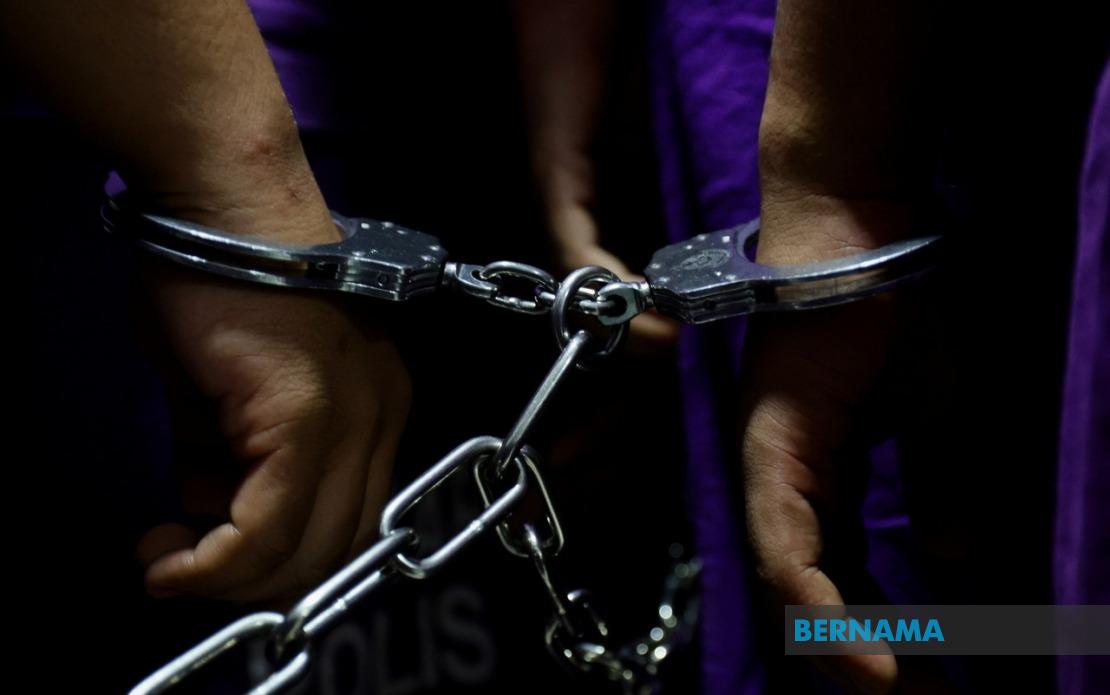
Myanmar's law enforcement authorities have made significant progress in combating organised crime in the Mandalay region, securing the arrest of 13 suspects in connection with two separate gold shop robberies. The coordinated operation has exposed what appears to be a deliberate criminal network operating across central Myanmar, highlighting the ongoing security challenges facing the country's commercial sector.
The investigation centres on two distinct incidents occurring months apart in Mandalay's townships. The first robbery targeted the Millionaire Gold Shop in Chanmyathazi Township on July 20, prompting authorities to arrest six men directly implicated in that crime. Alongside these primary suspects, investigators apprehended five additional individuals believed to have provided logistical support or participated in the heist, bringing the initial suspect count to eleven.
During the course of the investigation into the July incident, a troubling pattern emerged when authorities discovered that three of the six men arrested for the Millionaire Gold Shop robbery had also been involved in an earlier theft at the Paw Oo Gold Shop located in Mahaaungmyay Township. This previous incident occurred on October 30, 2023, considerably predating the more recent crime. The revelation that experienced perpetrators were escalating their criminal activity suggested an organised operation rather than isolated opportunistic theft.
The discovery of the criminal network's continuity prompted further investigative work that led to the apprehension of two additional suspects who had allegedly worked with the recycled offenders during the Paw Oo Gold Shop robbery. These arrests brought the total number of detainees to thirteen individuals comprising ten men and three women. The gender composition of the arrest roster indicates that women played supporting roles in what appears to be a structured criminal enterprise, possibly handling disposal of stolen goods or providing safe houses.
The material evidence recovered during these arrests paints a picture of a well-equipped criminal operation. Authorities seized more than 42 ticals, equivalent to approximately 0.7 kilogrammes, of gold jewellery along with cash from the suspects' possession. Beyond precious metals, investigators recovered a pistol with two accompanying magazines and 27 rounds of ammunition, suggesting that perpetrators were willing to employ violent means to accomplish their objectives. The weapons cache presents particular concern for regional security analysts monitoring armed crime trends in Southeast Asia.
Additional items recovered from the suspects included four motorcycles, likely used for rapid getaways between robbery locations, a slingshot, and notably, 31 bolts. The presence of bolts suggests potential use as projectiles or components in improvised weapons. The comprehensive inventory of recovered materials demonstrates that criminal organisations operating in Myanmar's commercial zones maintain relatively sophisticated equipment and logistical infrastructure to support their activities.
For Malaysian business operators and investors monitoring conditions in neighbouring Myanmar, this case illustrates the security vulnerabilities affecting retail gold merchants across the region. The fact that perpetrators could operate across multiple townships and conduct separate robbery operations within months suggests inadequate inter-agency coordination or insufficient police presence in commercial districts. These concerns are particularly relevant as Malaysian traders maintain significant commercial interests throughout Myanmar's urban centres.
The legal consequences for the arrested suspects remain under development, with authorities initiating formal legal proceedings against all thirteen individuals. However, investigators have indicated that additional suspects remain at large and continue to be pursued. This suggests that the dismantled network was larger than the thirteen arrests indicate, and that the full scope of organised criminal activity in the region may extend beyond these two incidents.
The investigation's timeline also raises questions about operational capacity in Myanmar's law enforcement sector. The October 2023 Paw Oo Gold Shop robbery preceded the July incident by nine months before being formally solved, suggesting investigative processes may be protracted in the current operational environment. This extended timeline could reflect resource constraints, ongoing institutional disruptions, or the sophisticated methods employed by criminal networks to obscure their identities and operations.
For the broader Southeast Asian region, particularly Malaysia where gold trading and jewellery retail constitute significant economic sectors, the Myanmar case offers cautionary lessons about criminal network organisation and equipment sophistication. The involvement of multiple individuals across different roles—direct perpetrators, support personnel, and likely fences for stolen goods—demonstrates the organised nature of modern jewellery crime networks that often operate across borders.
Authorities in Myanmar have signalled their commitment to pursuing remaining suspects and disrupting criminal operations targeting precious metal retailers. The coordination between different townships and the eventual identification of perpetrators involved in multiple crimes suggests improving investigative capability, though sustained effort will be required to fully dismantle such networks. For Malaysian law enforcement maintaining intelligence-sharing relationships with Myanmar counterparts, these arrests provide valuable information about operational methods and suspect networks that could potentially extend into Malaysia's commercial zones.

