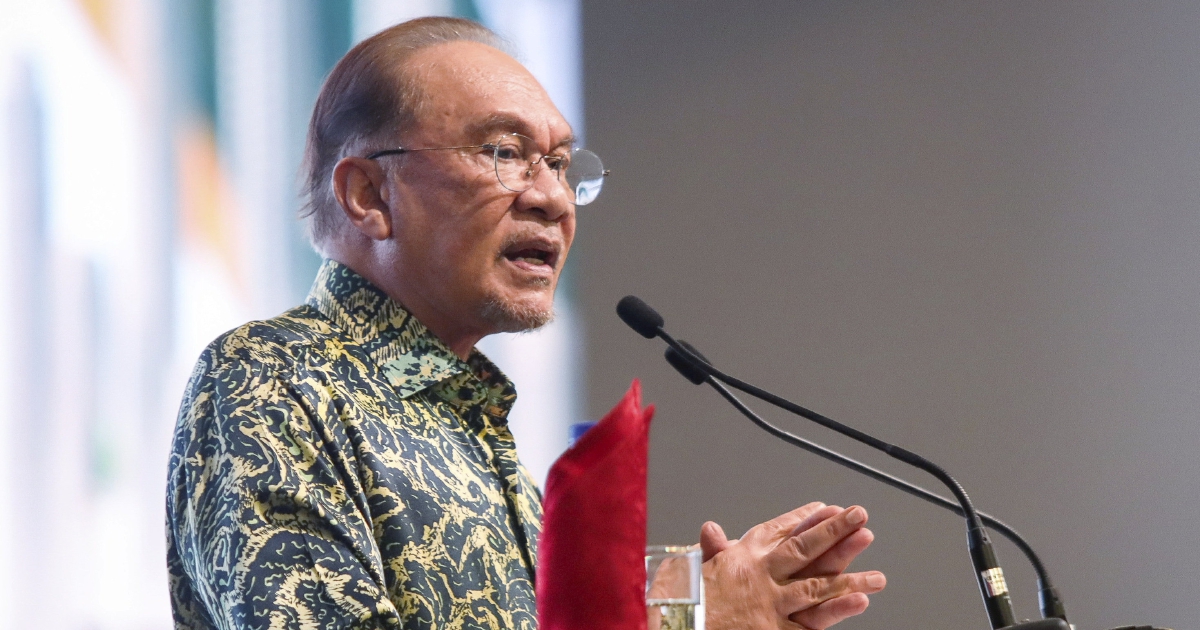
Prime Minister Datuk Seri Anwar Ibrahim unveiled a significant diplomatic breakthrough during his Jelebu constituency engagement, revealing that Myanmar has agreed to receive an initial contingent of 5,000 Rohingya refugees currently residing in Malaysia. The arrangement emerged from recent negotiations between Malaysian and Myanmar authorities and marks a potential turning point in addressing one of Southeast Asia's most intractable humanitarian challenges.
The Rohingya refugee crisis has weighed heavily on Malaysia for years, with an estimated 180,000 to 200,000 stateless individuals seeking refuge within its borders, straining public services and creating tensions with local communities. Unlike neighbouring countries with formal UNHCR camps, Malaysia lacks a structured refugee framework, leaving many Rohingya in precarious legal positions and vulnerable to exploitation by human traffickers. The nation has been caught in an uncomfortable position—unwilling to formally recognise refugee status yet unable to forcibly return people to a country where they face documented persecution.
Myanmar's willingness to enter formal repatriation discussions represents a shift in the junta's previously resistant stance. Since the 2017 military offensive that displaced over 700,000 Rohingya into Bangladesh, Myanmar has consistently rebuffed international pressure to take back refugees or acknowledge responsibility for their flight. The change in Myanmar's position may reflect broader diplomatic efforts and Malaysia's sustained engagement with Naypyidaw despite regional sensitivities surrounding Myanmar's internal governance and military-led administration.
The phased approach outlined by the agreement—beginning with 5,000 refugees—suggests caution from both sides. Myanmar may wish to avoid overwhelming its largely underdeveloped border regions with sudden influxes, while Malaysia recognises that successful repatriation requires careful planning, voluntary consent from refugees, and credible assurances regarding their safety and reintegration prospects. Historical repatriation attempts involving Rohingya have been contentious, particularly concerning whether returnees face genuine freedom of movement and access to citizenship documentation.
For Malaysia, this development offers potential relief from the mounting humanitarian and administrative burden that the Rohingya presence has created. Local communities in Kuala Lumpur, Klang, and other urban centres have voiced frustrations over resource competition, employment displacement, and security concerns. A successful repatriation programme could ease these social tensions while demonstrating to the international community that Malaysia is actively managing the refugee situation rather than indefinitely hosting a displaced population.
However, significant hurdles remain before the accord translates into meaningful refugee returns. Myanmar must demonstrate concrete improvements in conditions for returnees, including legal protections, livelihood opportunities, and freedom from harassment by military and civilian authorities. International observers emphasise that any repatriation must be entirely voluntary, with transparent communication to Rohingya about their rights and the realities they will face upon return. Many Rohingya remain deeply traumatised by their experiences and harbour legitimate fears about returning to communities where they previously encountered violence and discrimination.
The timing of this announcement carries broader strategic implications for Malaysia's role in regional affairs. As ASEAN chair or a nation with significant diplomatic influence, Malaysia has positioned itself as a bridge-builder between Myanmar and the international community while simultaneously managing humanitarian responsibilities. By securing Myanmar's agreement on repatriation, Anwar's administration demonstrates diplomatic efficacy and strengthens Malaysia's standing as a responsible actor in addressing regional crises.
Bangladesh, which hosts nearly 900,000 Rohingya in sprawling camps, will likely view Malaysia's repatriation progress with cautious interest. While it may not directly reduce pressure on Bangladesh, successful Malaysian returns could establish a precedent that encourages other countries harbouring Rohingya—including Thailand and Indonesia—to explore similar pathways. This could gradually disperse the concentration of refugees currently overwhelming Cox's Bazar and other locations.
Implementation remains critical. Malaysia must establish transparent mechanisms to screen candidates for repatriation, ensure informed consent, and monitor returnee welfare post-arrival. Working with international organisations such as UNHCR and the International Organization for Migration will lend credibility to the process and provide independent verification that returnees are genuinely safe. Both governments should publicly commit to conditional repatriation—halting returns immediately if credible reports emerge of systematic persecution or involuntary detention of returnees.
The 5,000-figure represents merely a fraction of Malaysia's Rohingya population, suggesting that resolution of this crisis will require sustained engagement and potentially parallel arrangements with other nations. Anwar's announcement, however, symbolises genuine progress on an issue that has long seemed intractable, offering a glimmer of hope that coordinated regional diplomacy and bilateral commitment can chip away at humanitarian challenges that threaten South and Southeast Asian stability.

