The Mutiara Line Light Rail Transit project in Penang has reached a pivotal moment with Malaysia Rapid Transit Corporation Sdn Bhd announcing the award of a RM3.028 billion System Turnkey Contract to the Malaysian Resources Corporation Berhad and Theta Edge Berhad Joint Venture. This significant procurement represents a critical progression in developing the infrastructure that will support the transit system's eventual operations across the island state.
The appointment of MRCB-Theta Edge allows the detailed engineering design of railway systems to advance concurrently with the ongoing construction programme. This parallel approach is essential for maintaining schedule alignment and ensuring that the physical infrastructure and operational systems are compatible when integration begins. By advancing both components simultaneously rather than sequentially, the project management team can identify and resolve potential conflicts earlier in the development process, reducing costly redesigns later.
The System Turnkey Contract encompasses seven distinct railway systems packages covering the complete spectrum of operational infrastructure. These include the procurement and delivery of electric trains alongside depot equipment required for their maintenance and storage. The signalling and train control systems represent another critical component, integrated with automatic platform gate mechanisms that enhance passenger safety. The trackwork package incorporates the rail infrastructure itself, conductor rails that power the trains, and maintenance vehicles necessary for long-term system upkeep.
Additional systems under this contract include the power supply and distribution network required to energise the entire line, a railway Supervisory Control and Data Acquisition system that monitors operational parameters, and computerised maintenance management systems that track equipment performance and scheduling. Telecommunications and information technology infrastructure support both operational functions and passenger communication, while the automatic fare collection system enables efficient revenue management and passenger flow analysis.
Progress on the civil construction side continues robustly across the alignment stretching from Silicon Island to Komtar. Through a design-and-build methodology, construction crews have already completed 45 pile caps and installed 32 pier columns. Activity is now underway across 14 of the 19 planned construction sections designated under Civil Main Contract 1, representing substantial physical advancement in the project's horizontal development.
The separate Civil Main Contract 2 package, which will extend the alignment from Komtar through to Penang Sentral, is progressing through its tender evaluation phase with contract award targeted for November 2026. This extension represents an important connection to the state's central transportation hub, enhancing the line's accessibility and integration with existing transit infrastructure.
A notable achievement under Civil Main Contract 1 involves Bumiputera participation, which has now surpassed 20 per cent of the total contract value. This milestone demonstrates the project's commitment to supporting domestic enterprises and building local industrial capabilities. Such participation requirements encourage knowledge transfer and develop the local supply chain, creating sustainable economic benefits beyond the project itself.
Land acquisition has recorded substantial progress, with 93 per cent of the total land required for Civil Main Contract 1 now secured. This high completion rate reflects effective coordination between the Federal Government, the Penang State Government, and relevant agencies, removing a significant potential constraint on continuous construction activity. The remaining seven per cent of acquisitions remain a focus area to maintain schedule momentum.
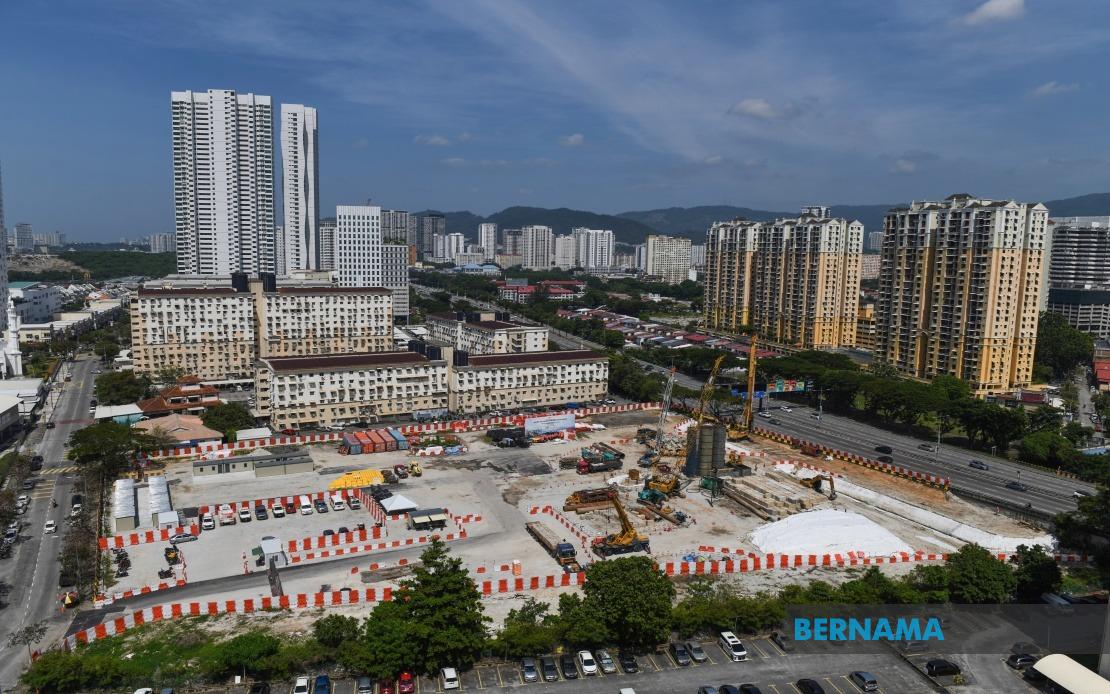
At the project's future depot location at Silicon Island, soil investigation works have commenced. These foundational studies are essential for understanding ground conditions and designing appropriate foundation systems for the depot facility, which will house and maintain the train fleet. The neighbouring Tapak Pesta site, returned by the Penang State Government in April 2026, has undergone clearance of existing structures and site preparation, positioning it for imminent construction commencement.
For Malaysian readers and particularly those in Penang, the Mutiara Line represents a transformative transit investment comparable in scale and importance to other major cities' rapid transit systems. Upon completion, the line will significantly enhance urban mobility, reduce traffic congestion, and support economic development through improved accessibility. The project's progression through these critical milestones suggests realistic delivery timelines, though regional observers note that major infrastructure projects in Southeast Asia frequently encounter scheduling adjustments due to unforeseen ground conditions, supply chain disruptions, or design modifications.
The involvement of established contractors like MRCB provides execution confidence, though the joint venture structure with Theta Edge introduces considerations about capability integration and coordination. The scale of investment—measured in billions of ringgit across multiple contracts—underscores the significance of this infrastructure addition to Penang's transportation landscape and reflects national prioritisation of regional transit development beyond Kuala Lumpur's existing networks.
Looking forward, successful execution of these contracts will demonstrate Malaysia's capacity to deliver complex, integrated transit systems and position domestic firms for competitive positioning in future regional infrastructure opportunities. The project's emphasis on local participation and capability development aligns with broader national industrialisation strategies while directly supporting Penang's transformation into a knowledge-based and well-connected state within Malaysia's economic geography.

