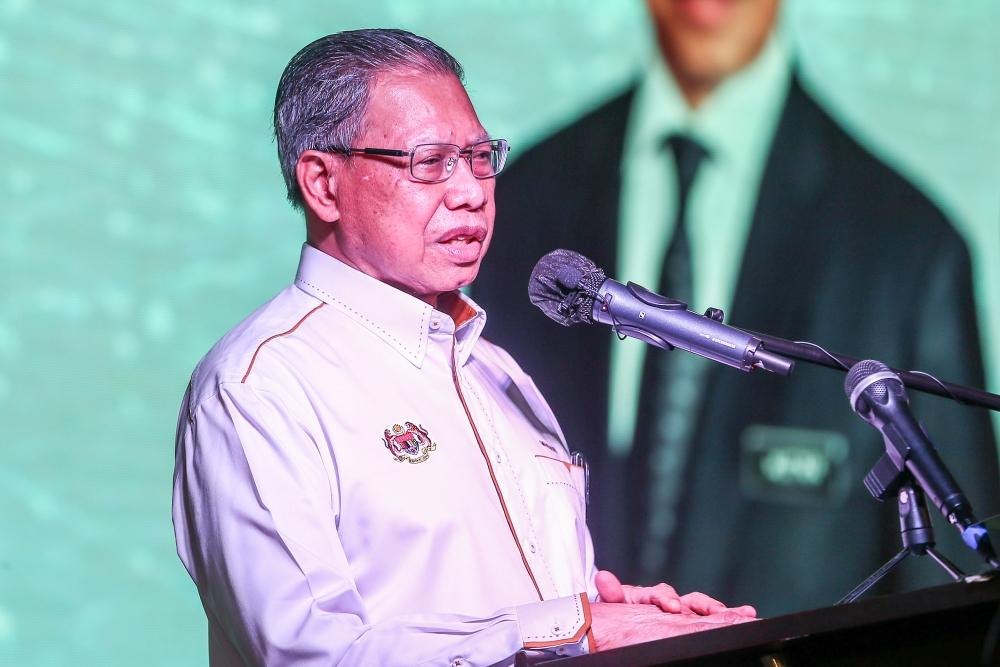
Datuk Seri Mustapa Mohamed, the veteran politician who represented Jeli for multiple parliamentary terms, has firmly closed the door on any prospect of contesting in the sixteenth general election. At 76 years old, the former Member of Parliament made the announcement in his Pasir Mas constituency, signalling what appears to be a deliberate transition away from frontline electoral politics after decades of service.
The decision represents a significant moment in Malaysian politics, as senior figures from the earlier cohorts of leaders increasingly step aside. Mustapa Mohamed's explicit confirmation eliminates speculation about whether seasoned politicians of his generation might seek another term, setting a precedent for orderly succession. His willingness to openly declare his retirement intentions contrasts with the ambiguity some political heavyweights maintain about their future involvement, and sends a message about the importance of accepting generational change.
Beyond his personal political exit, Mustapa Mohamed used the occasion to articulate a broader vision for the country's political future. He has called upon younger politicians—those better positioned to lead during the coming decades—to assume greater responsibility and prominence within their respective parties and national institutions. This plea reflects growing recognition among the political establishment that Malaysia's democracy requires fresh energy and perspectives as it confronts evolving challenges ranging from economic competitiveness to technological disruption.
Mustapa Mohamed's career trajectory illuminates important patterns in Malaysian politics. His long tenure as the Jeli representative positioned him at the intersection of rural politics and federal administration, allowing him to influence policy matters affecting agricultural constituencies and smaller towns. The transition he now advocates for relates directly to the governance structures that have sustained Malaysian democracy, where personal political legacies often intertwine with party machinery and regional power bases.
The timing of his announcement carries implications for the coalition dynamics that currently shape parliamentary politics. His withdrawal from electoral consideration removes one variable from calculations about seat allocation and campaign strategy in his district. For the Umno party framework, such retirements by senior figures necessitate careful succession planning to maintain organisational coherence and voter support, particularly in traditional strongholds.
The generational succession question that Mustapa Mohamed highlights extends beyond individual career decisions. Malaysian politics faces a broader challenge: how to facilitate the rise of capable younger leaders while respecting the experience and institutional knowledge held by those nearing retirement. Several states and federal constituencies face similar inflection points where established political figures must eventually give way, yet the mechanics of ensuring qualified replacements remain contested within party structures.
The former MP's emphasis on youth leadership also reflects international trends observed across mature democracies. Countries worldwide grapple with how to inject new perspectives into political systems dominated by cohorts who came of age in different eras. Malaysia's own demographic profile—with a youthful population increasingly educated and digitally connected—demands political representation that genuinely reflects contemporary concerns rather than merely inheriting previous generation's priorities.
Mustapa Mohamed's decision to publicly state his intention not to contest GE16 provides clarity for his constituency and his party. Umno's leadership structure benefits from such definitive statements, allowing party machinery to mobilise around alternative candidates rather than maintaining speculative positions. For voters in Jeli, understanding that a new representative will be selected initiates a period where local political actors can make their intentions and capabilities known.
The intergenerational handover Mustapa Mohamed advocates becomes increasingly urgent given Malaysia's evolving policy agenda. Emerging issues including artificial intelligence implementation, climate adaptation, digital economy transitions, and shifting geopolitical alignments in Southeast Asia require political leadership grounded in contemporary realities. Younger politicians potentially bring both technological familiarity and direct experience navigating the challenges that will dominate governance through the 2030s.
However, the transition towards younger leadership carries inherent risks. Institutional knowledge, political experience, and established relationships within party structures represent genuine assets that hastily-selected or inadequately-mentored successors might lack. The challenge for Malaysian political parties involves structuring succession not as abrupt handovers but as managed transitions where emerging leaders develop capabilities while senior figures remain available as advisors and institutional anchors.
Mustapa Mohamed's stance also reflects professional maturity about the physical and mental demands of parliamentary representation. At 76, maintaining the constituency work, parliamentary schedules, and campaign activities required of active MPs represents a genuine burden. His willingness to acknowledge such limitations demonstrates practical wisdom increasingly rare in political cultures where positions are often relinquished only when physical incapacity forces withdrawal.
Looking forward, the former Jeli MP's call for youth leadership will likely stimulate similar conversations within other parties and among senior politicians evaluating their own trajectories. Should such voluntary transitions accelerate, Malaysian electoral politics could witness a more orderly generational shift than often occurs when transitions are forced by health crises, party conflicts, or electoral defeats. For constituencies nationwide and for political parties seeking organisational renewal, Mustapa Mohamed's approach offers a template where experience gracefully acknowledges the necessity of change.

