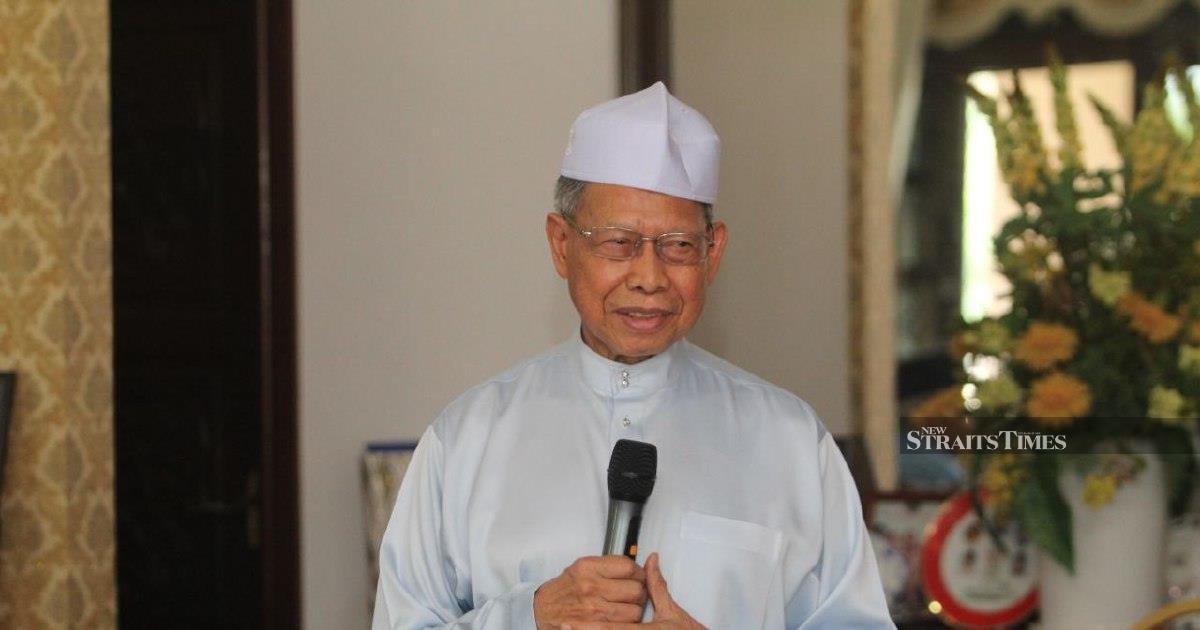
Datuk Seri Mustapa Mohamed, the long-serving former member of parliament for Jeli who has recently reconciled with Umno, has firmly closed the door on any electoral ambitions for the forthcoming general election. Speaking in Pasir Mas, the veteran politician made clear that his political career in elected office has drawn to a close, despite his restoration to the party fold after an absence from its ranks.
The decision reflects what the politician describes as the physical toll accumulated through decades in public service. Mustapa Mohamed indicated that his current health status simply does not permit the rigorous demands of campaigning, with his mobility increasingly constrained. The frank assessment suggests that the challenges of contesting an election—which typically involve extensive ground-level engagement across constituencies, public speaking engagements, and the logistical pressures of a modern campaign—would prove incompatible with his present condition.
Mustapa Mohamed's return to Umno had generated considerable speculation within Malaysian political circles about the nature and extent of his involvement moving forward. His previous departure from the party had marked a significant fracture in his political alignment, and observers had naturally wondered whether his repatriation might signal a desire to contest again or assume an advisory role within the organisation's hierarchy. The unequivocal statement from the politician himself now provides clarity on this matter, though it simultaneously underscores questions about the motivations behind his reconciliation with the party.
The Jeli constituency, which Mustapa Mohamed represented during his parliamentary tenure, has become a focal point of political attention in Kelantan state. The decision to step aside from electoral contestation removes a potentially significant figure from the field and may reshape dynamics within local Umno circles. His experience and network, while no longer available to the electorate through direct candidacy, could still influence party strategy and leadership decisions at other levels.
This development carries broader implications for Malaysian politics, particularly regarding succession planning within major parties. As senior politicians increasingly step back from electoral frontlines due to age and health considerations, the question of how their accumulated political capital translates into institutional influence becomes more acute. Mustapa Mohamed's example illustrates the distinction between holding formal party membership and maintaining an active campaigning role—a distinction that becomes more pronounced as politicians advance in their careers.
The Kelantan political landscape has experienced considerable shifts in recent years, with various power consolidations and factional realignments occurring within both Umno and Pas. The removal of Mustapa Mohamed as a potential electoral contestant could represent either a clear succession opportunity for emerging party figures or a loss of continuity in representation, depending on how analysts view his previous standing. His technical expertise in particular policy domains, accumulated over years of service, may continue to benefit the party in advisory capacities even without electoral involvement.
Mustapa Mohamed's remarks also reflect a broader pattern among Malaysian political veterans, who increasingly cite health limitations when withdrawing from frontline politics. This trend raises important questions about the average age of candidates in Malaysian elections and the implications for generational renewal within political structures. The acknowledgment of physical constraints, while candid, also resonates with Malaysian voters' growing expectations for honest communication about leaders' capacity to serve.
The timing of this announcement, coming relatively soon after his return to Umno, suggests that party leadership was likely already aware of his intentions and that his reinstatement served purposes beyond electoral campaign participation. Whether his role will involve mentorship of younger aspirants, contributions to policy development, or primarily ceremonial functions remains to be determined by Umno's internal calculations.
For Kelantan state specifically, this development means that party strategists must now identify alternative candidates for Jeli if the constituency is to remain a meaningful Umno battleground. The loss of Mustapa Mohamed's direct involvement could either facilitate the rise of newer political talent or create a representational vacuum depending on the quality of available alternatives within party ranks. His choice to remain affiliated with Umno despite declining electoral participation suggests he retains sufficient investment in the party's future to maintain membership and presumably offer guidance.
The statement also underscores how Malaysian political careers have evolved, with the previous presumption that senior figures would contest until physical incapacity became undeniable gradually giving way to more proactive retirement from electoral politics. Mustapa Mohamed's transparent acknowledgment of his mobility limitations may thus set a template for more graceful political transitions among his cohort, where stepping back is framed as a responsible recognition of one's capacity to serve rather than as ignominious defeat or forced withdrawal.
Looking ahead to GE16, the absence of Mustapa Mohamed from the Jeli contest will provide a clearer test of the constituency's inherent political leanings independent of his long-accumulated personal political capital. Whether Umno can retain the seat through a successor candidate, or whether other parties see opportunity in this transition, will reveal much about the party's underlying electoral strength in this particular corner of Kelantan. Meanwhile, Mustapa Mohamed's decision provides a measured example of political transition that may yet influence how Malaysian politics navigates its generational shift in coming years.

