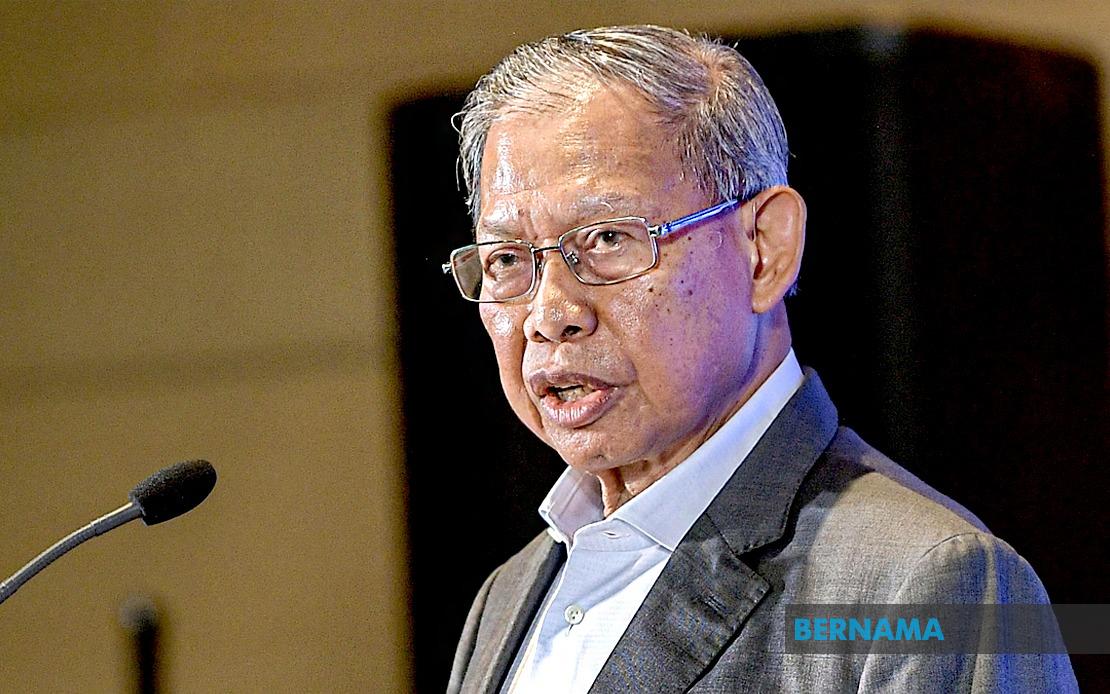
Datuk Seri Mustapa Mohamed has firmly closed the door on any political comeback, declaring at an event in Pasir Mas that he will not be contesting in the 16th General Election. The 76-year-old veteran politician, who only recently returned to UMNO after a five-year absence, made the announcement while attending a welcome celebration and Independence Month ceremony organised by the Council of Former Kelantan Elected Representatives, signalling a definitive shift in his political priorities.
The former Jeli Member of Parliament acknowledged the physical realities of advancing age as a determining factor in his decision. Mustapa recognised that at 76, with diminishing physical stamina, it would be unfair both to himself and to the party to pursue electoral office when younger, more energetic leaders are available to serve. This candid assessment reflects a pragmatic approach rare among veteran Malaysian politicians, many of whom cling to power despite advancing years. His willingness to step aside voluntarily suggests a broader perspective on succession planning that could influence how UMNO approaches its leadership development in coming years.
Mustapa's emphasis on generational renewal carries particular significance for UMNO at a critical juncture in Malaysian politics. The party has faced sustained pressure to modernise its leadership structure and project a fresher image to voters, particularly among younger demographics who have grown increasingly sceptical of traditional political establishments. By explicitly calling for capable young leaders to assume greater responsibilities, Mustapa is lending his considerable stature and experience to a narrative of institutional renewal that could help UMNO counter perceptions of being dominated by aging elites.
The former Minister of International Trade and Industry has charted an unconventional political trajectory that offers important context for understanding his current position. His departure from UMNO in September 2018 to join Bersatu marked a significant moment during the party's internal upheaval, but his return to UMNO in June of this year demonstrates the complex factional dynamics within Malaysia's dominant Malay-Muslim political movement. His decision not to contest again suggests he views his re-entry more as a matter of political principle and party loyalty than as a platform for personal ambition.
While stepping back from electoral politics, Mustapa has emphasised his intention to remain active in party affairs through advisory and mentoring capacities. He has outlined plans to support younger colleagues by offering strategic guidance, accumulated knowledge, and institutional memory about UMNO's operations and electoral strategies. This behind-the-scenes role allows him to continue exerting influence without the physical demands of campaigning or constituency representation, positioning himself as a custodian of party wisdom rather than a frontline politician.
Mustapa's commitment to academic engagement represents another dimension of his post-electoral strategy. He intends to leverage university platforms, both at public and private institutions, to share his extensive experience with students and younger scholars. This shift towards educational contribution reflects a recognition that knowledge transmission across generational lines serves the broader national interest beyond partisan politics. His willingness to engage with the next generation of thinkers and potential leaders through academic settings could amplify his influence in shaping Malaysia's future political discourse.
The timing of Mustapa's announcement carries implications for UMNO's succession planning as Malaysia approaches GE16. By taking himself out of contention well in advance, he removes ambiguity about his intentions and creates space for other senior figures to clarify their own positions. This clarity in leadership intentions can help the party develop coherent campaign strategies and identify credible candidates in key constituencies, avoiding the internal contradictions that sometimes plague coalition partners when senior figures delay succession announcements.
For Malaysian readers and political observers, Mustapa's stance offers a refreshing counterpoint to the widespread perception that Malaysian politicians pursue office until the moment they physically cannot. His explicit acknowledgement of physical limitations and his advocacy for generational change resonate with broader concerns about leadership renewal in Southeast Asian democracies. Many observers have noted that ageing elites in the region often resist succession, creating bottlenecks that frustrate younger, ambitious politicians and disengage younger voters from political participation.
Mustapa's decision also illustrates the evolving relationship between electoral politics and other forms of political influence in Malaysia. His pivot towards mentorship, strategic advice, and academic engagement suggests recognition that political power operates through multiple channels beyond holding elected office. This understanding could influence how UMNO structures its senior leadership roles and how it leverages experienced figures to strengthen party organisation and policy development.
Looking forward, Mustapa Mohamed's public commitment to supporting younger leaders provides UMNO with an asset in countering narratives about the party's inability to refresh its personnel. His credibility as a former cabinet minister and respected figure within Malay-Muslim political circles gives weight to his calls for generational change. Whether UMNO effectively capitalises on this opening by promoting genuinely capable younger figures will substantially determine the party's appeal to new voter cohorts ahead of GE16.
The broader implications for Malaysian politics extend beyond UMNO's internal dynamics. As Southeast Asia's democracies grapple with questions about how to balance experience with innovation, and institutional continuity with renewal, examples of senior figures voluntarily stepping aside become increasingly important. Mustapa's decision, while motivated by personal circumstance, contributes to a political culture that recognises generational change as necessary and desirable rather than as something to be resisted or delayed indefinitely.

