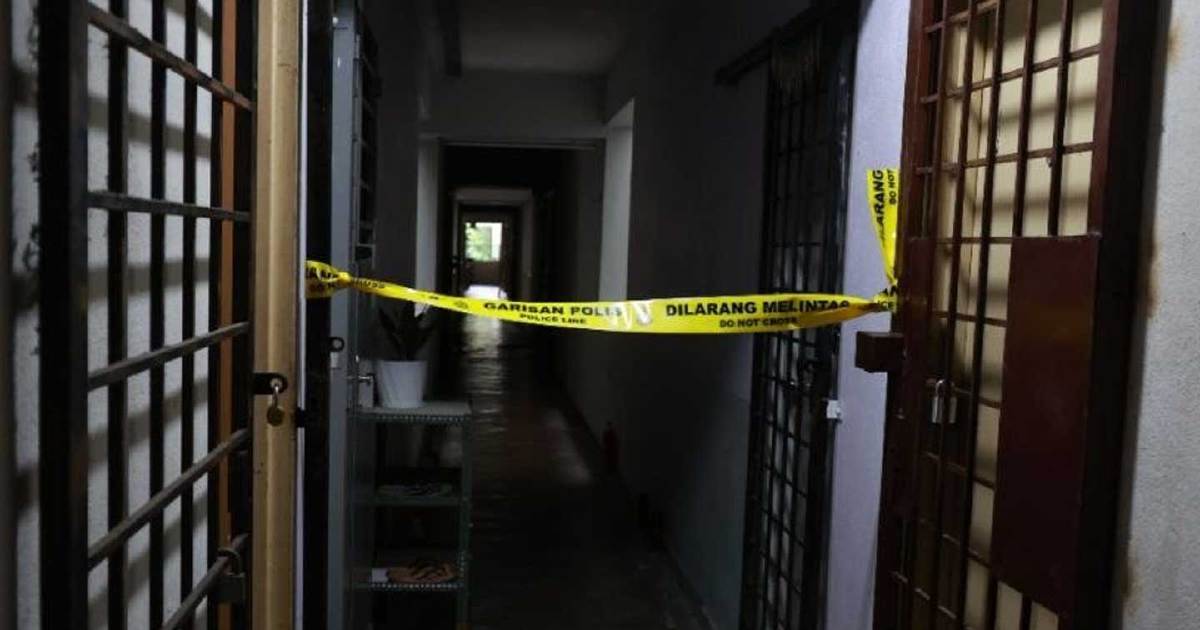
Malaysian police have opened a murder inquiry after discovering the body of a woman concealed in luggage at a residence in Kajang's Taman Impian Indah neighbourhood. The grim discovery has triggered an intensive criminal investigation, with detectives working to establish the circumstances surrounding the death and identify those responsible for the apparent concealment of the remains.
The recovery of the body from luggage suggests deliberate efforts to hide evidence of a crime, a detail that has heightened the seriousness of the police response. When bodies are transported in this manner, investigators typically examine the luggage itself, its contents, and the immediate environment for forensic evidence. Such discoveries often point to premeditated criminal activity rather than accidental death, explaining why authorities have classified this as a murder probe rather than an unexplained fatality inquiry.
The Taman Impian Indah locality in Kajang, a residential area in Selangor's Hulu Langat district, is home to several suburban communities. The discovery at a private residence suggests the incident occurred within a domestic or community setting rather than a public space. Police presence in the area is likely to increase as investigators canvas the neighbourhood for witnesses who may have observed suspicious activity, unusual vehicle movements, or distressed individuals in the days or weeks preceding the discovery.
Detectives will focus on determining the victim's identity as a critical first step in the investigation. Establishing who the deceased person is will enable authorities to understand her circumstances, relationships, and movements prior to death. This identification process often involves checking missing persons reports and coordinating with medical examiners to establish approximate time of death and preliminary cause. The physical condition of the remains may provide investigators with insights into how long the body had been concealed and the manner of death.
The use of luggage as a means to transport and conceal human remains is not uncommon in serious criminal cases in Malaysia and the region. This method of concealment indicates a perpetrator's attempt to move the body undetected, suggesting either planned disposal or urgent removal of evidence. Forensic examination of the luggage—including fibres, fingerprints, and any identifying labels or marks—could provide crucial leads linking it to specific individuals or locations.
Neighbours and residents in the area may provide vital testimony regarding the residence, its occupants, and any events that seemed unusual. Police will likely appeal for information from the public, particularly anyone who observed activities at the house that appeared out of the ordinary. In densely populated residential areas, such community awareness often yields important witness accounts that can piece together the sequence of events.
The investigation will necessarily involve determining whether the death occurred at the Kajang residence or elsewhere, with the body subsequently transported to the house. This distinction carries significant investigative weight, as it determines where forensic examination teams should focus their search for evidence. If the crime scene is separate from the discovery location, investigators must identify and process both sites.
Such cases typically prompt police to appeal for assistance from the public, and residents should expect increased police presence in Taman Impian Indah as the investigation progresses. Authorities may conduct door-to-door inquiries or release descriptions of vehicles or individuals connected to the case. The cooperation of the community often proves decisive in resolving serious crimes, and police tend to emphasise this appeal in high-profile investigations.
The case underscores the ongoing challenges law enforcement faces in investigating violent crime within residential settings. Unlike crimes occurring in public spaces with multiple witnesses, domestic or neighbourhood crimes often involve limited direct observation, placing greater weight on physical evidence, forensic analysis, and the breakthrough that information from the public can provide. The determination of motive—whether the crime stems from domestic dispute, financial conflict, or other circumstances—will shape the investigative direction.
As the police proceed with their inquiry, the investigation will likely expand to include examination of communications records, financial transactions, and social connections of individuals connected to the residence. These digital and documentary trails often prove as valuable as physical evidence in establishing timelines and relationships. The thoroughness of this early investigative phase will significantly influence the eventual direction and outcome of the case.
The discovery also highlights the unpredictability of violent crime, which can occur in seemingly ordinary residential neighbourhoods without warning. For residents of Kajang and the surrounding Selangor region, such incidents serve as reminders of the importance of community awareness and cooperation with law enforcement authorities.

