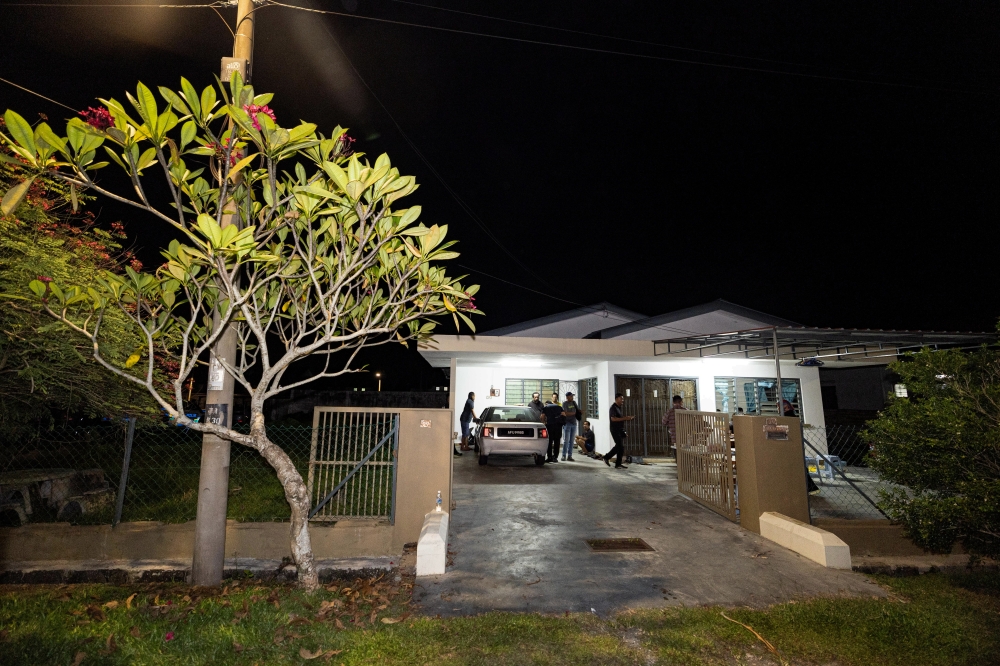
Police have opened a murder investigation after a 54-year-old man was discovered dead at a nursing home in Tanjung Rambutan, Ipoh, triggering fresh concerns about safety standards and oversight at residential care facilities across Perak and the broader region. The discovery marks yet another serious incident at such establishments, prompting authorities to intensify their scrutiny of how these institutions operate and whether adequate safeguards exist to protect vulnerable residents.
The deceased's body was located at the facility, and initial responses from police indicate that the circumstances surrounding the death warrant criminal investigation rather than standard procedures. Officers have begun canvassing the premises and speaking with staff and residents to establish a timeline of events and identify potential witnesses who may have information about what transpired. The decision to classify the case as a potential murder case suggests that preliminary findings or observations raised sufficient red flags to justify this elevated investigative status.
Tanjung Rambutan, situated in the Ipoh district, is home to several care and residential facilities that house elderly and disabled residents, many of whom depend entirely on staff for their daily needs and wellbeing. These establishments play a critical role in Malaysia's aging population support infrastructure, yet incidents such as this underline persistent questions about regulatory oversight, training standards for caregivers, and the frequency and quality of inspections conducted by relevant authorities. The vulnerability of residents in such settings—many unable to communicate effectively or defend themselves—creates a duty of care that extends beyond mere provision of accommodation.
The police investigation will likely examine the circumstances leading up to the man's death, including any interactions with staff members, other residents, or visitors to the facility. Detectives will seek to establish whether any signs of physical trauma or injuries were evident, whether there were any reported disputes or incidents prior to the discovery, and what medical or welfare checks, if any, had been conducted in the days preceding the death. Autopsy results will prove crucial in determining the precise cause of death and whether external factors played a role.
This incident adds to a growing catalog of troubling cases involving care facilities across Malaysia, where lapses in supervision, inadequate staffing levels, and insufficient training have previously been implicated in resident deaths and injuries. The management and regulation of these privately-run establishments have long been contentious issues, with advocacy groups periodically calling for stricter licensing requirements, surprise inspections, and stronger penalties for operators who fail to meet minimum standards. Families of residents have frequently expressed anxieties about whether their elderly or disabled relatives receive adequate attention and protection.
The investigation also raises implications for Perak state authorities responsible for overseeing such facilities. The state's social welfare department and relevant enforcement bodies will face pressure to demonstrate that they have adequate systems in place to monitor conditions at care homes, that inspectors conduct thorough assessments, and that complaints or concerns raised by families or residents are properly investigated. Any lapses in regulatory frameworks or enforcement could lead to demands for reform and enhanced accountability measures.
For the broader Southeast Asian region, where rapid demographic aging is creating unprecedented demand for long-term care services, such incidents serve as cautionary tales about the importance of establishing robust regulatory standards early. Malaysia's experience—both positive and negative—offers lessons for neighboring nations grappling with similar challenges of providing dignified, safe care for growing elderly populations while balancing the economic realities of residential care provision.
The police appeal for information from anyone with knowledge of events at the facility will be critical to the investigation's progress. Staff members, other residents capable of communicating, family members of residents, and any individuals who visited the facility may possess relevant details. The challenge for investigators will be distinguishing credible accounts from confusion that may arise given the demographics and health conditions of potential witnesses.
As the investigation unfolds, the case will likely intensify discussion about whether Malaysia's current care facility oversight mechanisms are sufficiently robust. Questions will inevitably arise about the adequacy of staffing ratios, whether background checks for employees are thorough, whether facilities maintain proper incident reporting procedures, and whether independent bodies conduct unannounced inspections. The outcome of this particular investigation may well catalyze broader policy discussions about enhancing protections for vulnerable residents across the nation's care sector.

