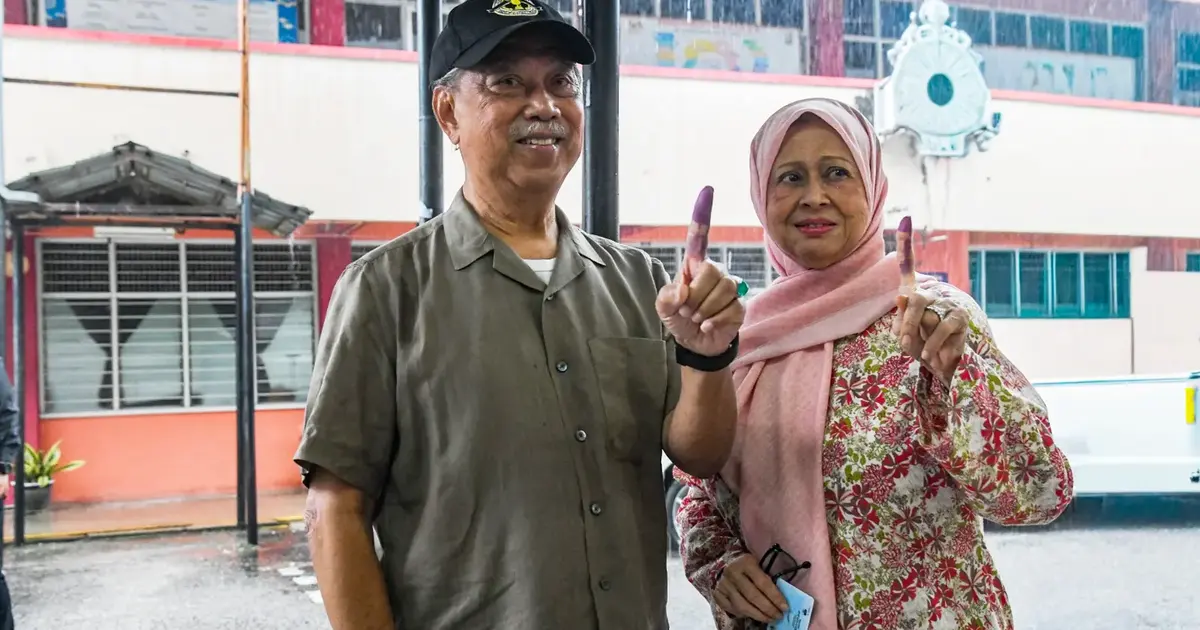
Bersatu president Muhyiddin Yassin has sought to minimize the significance of the Perlis Menteri Besar and an executive council member stepping down from the party's Supreme Council, signalling that internal mechanisms will address the issue. The developments mark a potential friction point within the ruling coalition as the party navigates internal restructuring and leadership dynamics at the state level.
Muhyiddin's measured response suggests the party leadership is treating the resignation as a procedural matter rather than a signal of deeper discord. By emphasizing his intention to gather comprehensive details before taking any action, the Bersatu chief appears intent on avoiding escalation that could draw public attention to potential cracks within the party structure. This approach is consistent with how Malaysian political parties typically manage sensitive internal disputes, seeking resolution through closed-door negotiations rather than public confrontation.
Perlis holds particular significance within Bersatu's broader political footprint in Malaysia. As one of the party's strongholds in the northern region, developments in the state often carry implications beyond local governance. The simultaneous resignation of both the Menteri Besar and an executive council member raises questions about whether their departure reflects policy disagreements, personality conflicts, or strategic positioning within the party's evolving power structure ahead of potential electoral contests.
The timing of these resignations warrants consideration within the context of Malaysia's political climate. Parties across the spectrum have experienced periodic tensions between federal and state-level leadership, particularly when state administrators feel constrained by decisions made at the national level. Bersatu, which has undergone significant transformation since its formation, continues to consolidate its position within the ruling coalition, making internal cohesion essential to maintaining electoral viability.
Muhyiddin's commitment to resolve the matter internally reflects a calculated strategy to prevent the situation from becoming a public relations liability. News of senior figures departing from key decision-making bodies can unsettle party membership and raise concerns among coalition partners about organizational stability. By framing this as a routine administrative matter awaiting further clarification, the party president is attempting to contain narrative damage while maintaining the appearance of firm leadership.
The resignation also invites scrutiny regarding the functioning of Bersatu's Supreme Council itself. As the party's highest decision-making body, the Council theoretically represents the organization's broad leadership structure. When members withdraw from such positions, it can indicate dissatisfaction with policy direction, governance style, or resource allocation. For Muhyiddin, ensuring that such departures do not proliferate or inspire similar actions elsewhere in the party structure becomes imperative.
From a Malaysian governance perspective, state-level developments inevitably influence national political calculations. Perlis, though one of the country's smaller states by population and economy, contributes to the overall political arithmetic that determines federal coalition stability. Any suggestion of instability at the state administrative level could embolden opposition parties seeking to present the current government as fractious or lacking internal discipline.
The Menteri Besar's position as chief executive of Perlis makes their involvement particularly significant. This role encompasses day-to-day governance, budget oversight, and representation of state interests at federal forums. An individual occupying this position typically commands substantial influence within their party's state branch, making their relationship with the party president crucial to smooth administration.
Bersatu's path since its establishment has involved negotiating complex relationships between different levels of party organization and between party interests and coalition imperatives. The current situation underscores these ongoing tensions as the party continues maturing as a political force. How Muhyiddin manages this particular episode will likely set precedent for how similar internal disputes are handled in future.
The promised full report that Muhyiddin intends to review will be critical in determining whether this represents an isolated incident or symptomatic of broader organizational challenges within Bersatu. The depth and transparency of any subsequent resolution will influence perceptions of the party's internal governance standards among both members and the broader electorate.
Regionally, Malaysian political developments often attract attention from neighbouring countries seeking to understand coalition dynamics and leadership patterns. How Bersatu navigates internal friction can offer insights into the broader health of Malaysia's ruling coalition and whether the various parties comprising it can sustain cooperation toward mutual political objectives.
Moving forward, stakeholders will monitor whether additional resignations materialize or whether Muhyiddin's intervention succeeds in stabilizing the situation. The party's ability to retain capable leaders at all organizational levels remains essential to its electoral prospects and coalition value. The Perlis situation, while currently being downplayed, carries potential implications for how Bersatu positions itself as Malaysia approaches future electoral cycles and as coalition partners reassess their working relationships.

