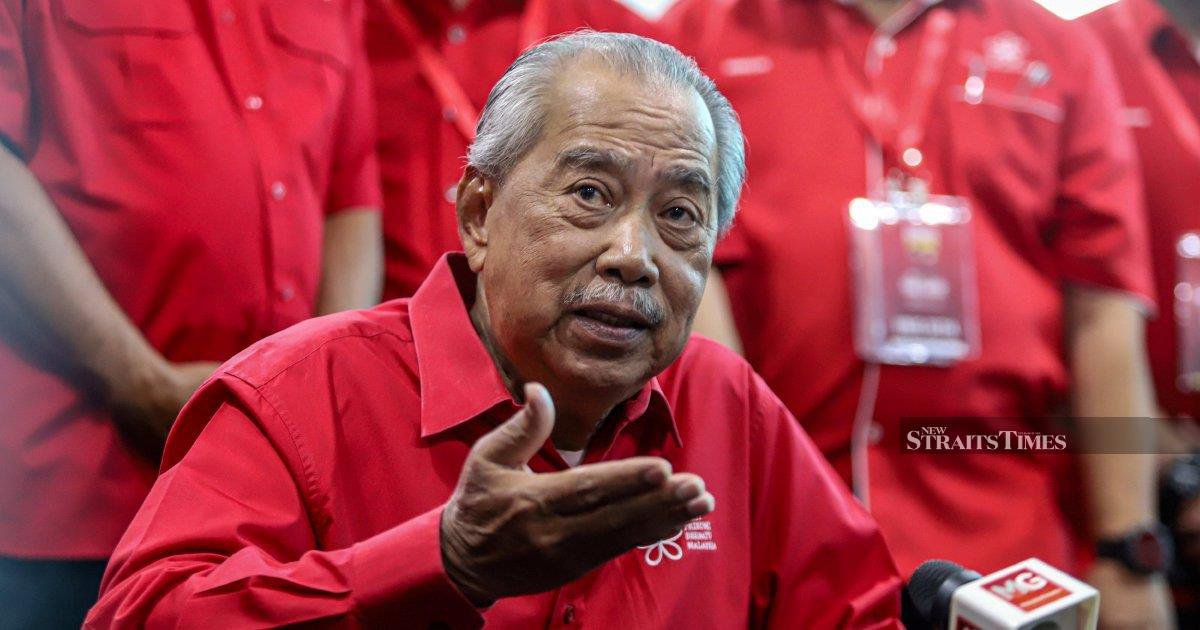
Tan Sri Muhyiddin Yassin has publicly contested Tan Sri Annuar Musa's assertion that Bersatu deliberately chose to separate from Perikatan Nasional in connection with the Negri Sembilan election, marking a fresh escalation in tensions within Malaysia's fractious opposition coalition. The dispute between the two senior figures underscores deepening divisions over how the coalition's recent restructuring unfolded and who bears responsibility for its unraveling.
The disagreement centres on the circumstances surrounding Bersatu's exit from the PN alliance, a development that has reshaped the political landscape among opposition parties in Malaysia. Annuar Musa's suggestion that the separation was a voluntary decision by Bersatu contrasts sharply with Muhyiddin's position, indicating a fundamental divergence in how the two leaders are interpreting and explaining recent coalition dynamics to party members and the public. The contested narrative reflects broader questions about decision-making authority within opposition structures and whether moves were coordinated or forced by circumstances.
Bersatu's role within Perikatan Nasional has been contentious for months, with the coalition facing internal strains over strategic direction and electoral cooperation. The Negri Sembilan situation appears to have served as a flashpoint that precipitated the party's exit, though both leaders present different accounts of agency and causation. Understanding these competing narratives matters because they suggest contrasting justifications for the split—one suggesting pragmatic withdrawal, the other implying coercion or pressure from coalition partners.
For Malaysian readers and opposition supporters, the implications are significant. Coalition stability has been critical to creating a viable electoral alternative to the ruling Barisan Nasional, yet repeated conflicts over decision-making and strategy have eroded confidence in opposition unity. The Bersatu-PN divide exemplifies how personal and organisational disagreements can fracture alliances that theoretically share similar political objectives. When senior leaders cannot agree on basic facts regarding their own coalitions' movements, it raises questions about the coherence and credibility of opposition governance proposals.
Negri Sembilan serves as a concrete test case where these abstract alliance questions became concrete electoral decisions. The state election created immediate pressure to define coalition boundaries and candidate fielding arrangements. Rather than resolving these practical questions through consensus, the Negri Sembilan contest appears to have exposed fundamental disagreements about how power and decision-making authority should function within Perikatan Nasional. Whether Bersatu departed voluntarily or was effectively expelled carries different implications for the party's standing and future negotiations.
Muhyiddin's public pushback against Annuar's framing suggests he views the narrative surrounding the split as important for Bersatu's political positioning and internal morale. By contesting the voluntary departure claim, Muhyiddin likely seeks to portray his party as having acted under duress or in response to unreasonable demands from PN partners, rather than as the initiator of coalition dissolution. This distinction matters for how party members evaluate leadership decisions and for how Bersatu approaches potential future coalition arrangements or negotiations.
The broader context of Malaysian opposition politics shows a pattern of coalitions forming and fragmenting as parties compete for leverage and electoral advantage. Perikatan Nasional itself emerged as an alternative to the earlier Pakatan Harapan configuration, yet it appears unable to maintain cohesion around contested elections or policy decisions. These recurring divisions suggest structural challenges in how Malaysia's opposition parties negotiate joint decision-making without clear hierarchies or binding dispute-resolution mechanisms.
For Southeast Asian observers, Malaysia's coalition instability reflects challenges facing opposition movements across the region where strong personal leadership and party cultures often prioritise factional advantage over institutional cooperation. The Muhyiddin-Annuar dispute illustrates how leadership personalities and public honour considerations can override practical incentives for alliance maintenance, even when all parties share an interest in opposing an incumbent government.
The timing of Muhyiddin's rebuttal suggests ongoing efforts to shape public and internal perception of Bersatu's strategic independence. By actively contesting Annuar's version of events rather than allowing his characterisation to stand unchallenged, Muhyiddin reinforces his authority within Bersatu and signals that the party remains capable of asserting its interests within any future opposition coalition structures. This defensive move also implicitly warns other potential coalition partners that Bersatu will not passively accept unfavourable portrayals of its decisions.
Moving forward, the Bersatu-Perikatan National separation raises questions about whether opposition parties can reconstruct viable unified alternatives before the next general election. The public disagreement between Muhyiddin and Annuar demonstrates that even as parties move away from each other, their leadership remains engaged in competitive interpretation of shared history. Resolving these narrative conflicts constructively will be essential if opposition forces hope to rebuild trust and cooperation necessary for credible electoral platforms.
The incident also highlights Malaysia's tendency toward personalised politics where leadership disputes and perceptions of fairness can rapidly destabilise institutional arrangements. Until opposition parties develop more robust decision-making frameworks that move beyond reliance on consensus between powerful individuals, similar disputes seem likely to recur. Voters assessing opposition viability for potential government leadership must consider whether patterns of coalition instability suggest deeper governance challenges.

