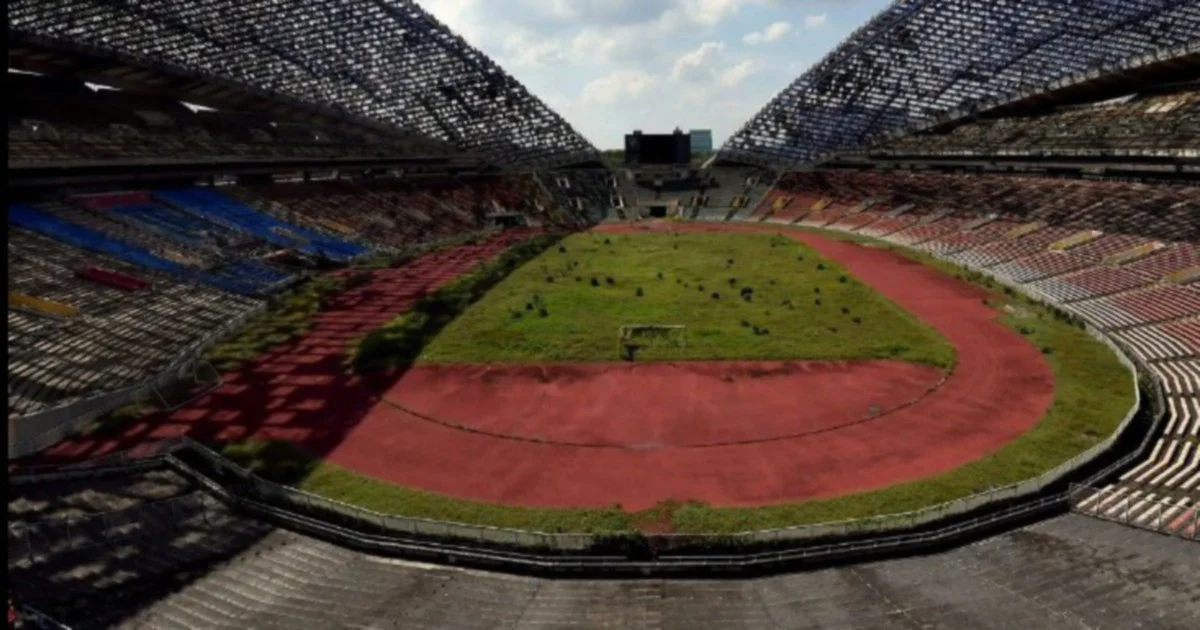
Malaysian Resources Corporation Bhd (MRCB) has obtained a consent judgment at the Shah Alam High Court against activist Abdul Razak Ismail, concluding a legal dispute centred on online commentary regarding the demolition and subsequent redevelopment of Shah Alam Stadium. The development corporation claimed that publications circulated by Ismail on digital platforms had inflicted economic damage to the company's interests and reputation during the project's execution.
The resolution through consent judgment represents a significant moment in Malaysian jurisprudence concerning the intersection of activist speech, corporate interests, and judicial remedies in the digital age. Consent judgments, which are court-approved settlements where both parties agree to specific terms without proceeding to full trial, have become increasingly common in defamation and commercial dispute cases involving public figures and institutions. This particular case has drawn attention from civil society observers who monitor free speech implications in Malaysia's complex legal environment.
Shah Alam Stadium, a prominent sporting and entertainment venue in Selangor, underwent major transformation under MRCB's stewardship. The demolition and redevelopment initiative represented a substantial capital investment intended to modernise the facility and enhance its commercial viability. However, the project attracted scrutiny from various quarters, including activists and commentators who questioned aspects of its execution, financial arrangements, or impact on existing communities and stakeholders.
Abdul Razak Ismail has emerged as a vocal critic within Malaysia's activist landscape, using digital platforms to amplify concerns about development projects and corporate accountability. His engagement with the Shah Alam Stadium matter reflects a broader pattern of civic participation through social media and online publishing, a mechanism through which Malaysian citizens increasingly voice grievances and seek public accountability from corporations and government bodies. This case illustrates the tension between individuals exercising freedom of expression and corporate entities seeking legal protection against allegedly damaging statements.
MRCB's decision to pursue legal action through the civil courts, rather than criminal channels, follows a conventional corporate strategy employed by major Malaysian entities facing public criticism. The company's assertion of economic damage serves as the legal foundation for the claim, requiring demonstration that the online publications directly harmed commercial interests, investor confidence, or business operations. Quantifying such damage in digital-era litigation remains challenging, as courts must assess the causal link between specific online statements and measurable financial loss.
The consent judgment mechanism offers both parties a pathway to resolution without the expense, uncertainty, and public exposure of a full trial. For MRCB, this approach rapidly concludes the legal matter while establishing a formal court record acknowledging its claim of damage. For Ismail, accepting the consent order rather than proceeding to contested hearing represents a pragmatic calculation regarding litigation costs, time commitment, and the unpredictability of judicial outcomes. Both parties presumably negotiated terms addressing the company's concerns while avoiding protracted courtroom conflict.
The Shah Alam Stadium case has implications extending beyond the immediate parties involved. Development corporations across Malaysia frequently encounter public criticism regarding infrastructure projects, land acquisition, heritage preservation, and community impact. This judgment may influence how both corporate entities and activists evaluate the risks and benefits of engaging in public disputes through digital channels. It simultaneously reflects Malaysia's evolving approach to balancing property rights and reputational interests against communicative freedoms.
For Malaysian readers and regional observers, this development signals the judiciary's willingness to entertain corporate claims against digital criticism while navigating the complex territory of online speech regulation. The outcome demonstrates that courts remain available as forums where powerful institutions can seek redress against public criticism deemed economically damaging. Simultaneously, it highlights the increased litigation risk facing activists and commentators who publish substantive critiques of major corporate projects without institutional backing or comprehensive legal resources.
The case occurs within Malaysia's broader context of corporate governance, where large development entities operate with significant influence over urban landscapes and economic activity. MRCB itself represents the corporate development sector's interests, and its successful pursuit of judicial remedies against critics establishes precedent affecting similar disputes. Other activists and critics monitoring this outcome will likely assess their own exposure to comparable legal challenges when engaging in public commentary about major projects.
Looking forward, the Shah Alam Stadium judgment may influence how civil society organisations advise members engaging in online activism regarding corporate and development issues. Legal risk awareness will likely shape the tone, specificity, and volume of such commentary. Simultaneously, corporations may become emboldened to pursue additional legal actions against critics, potentially creating a chilling effect on public discourse regarding development projects and corporate conduct in Malaysia.

