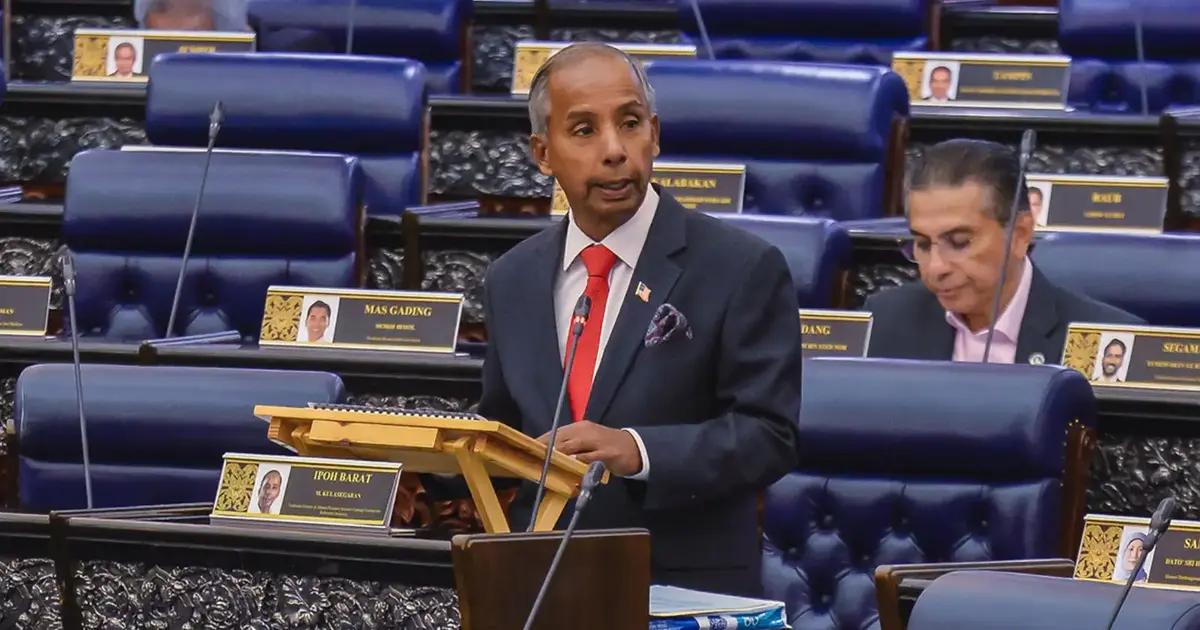
Members of parliament may eventually gain the opportunity to examine closed-circuit television recordings documenting the violent incident at Taiping prison, according to the deputy minister responsible for law and institutional reform matters. However, the pathway to such disclosure remains conditional on formal endorsement from the Cabinet, which has raised cautionary flags about the sensitivity of releasing visual evidence while related criminal proceedings remain active before the courts.
The deputy minister's comments reflect a careful balancing act between parliamentary oversight and judicial procedure, two fundamental pillars of Malaysia's democratic governance. The Taiping prison disturbance, which drew significant public attention and raised questions about correctional facility security protocols and management practices, has become a focal point for legislative scrutiny. Members from various political backgrounds have expressed interest in accessing documentary evidence that could shed light on the sequence of events, the response mechanisms deployed by prison authorities, and potential security lapses that may have contributed to the outbreak of violence.
The requirement for Cabinet clearance before releasing surveillance material underscores the complexity inherent in balancing transparency with legal prudence. Releasing detailed video evidence of the incident could potentially prejudice ongoing court cases involving individuals charged in connection with the disturbance. Judges and prosecutors must weigh evidence without external narratives or public interpretations that might contaminate the judicial process. This legal consideration has prompted the Ministry to adopt a measured approach rather than immediately acceding to parliamentary requests.
Taiping prison, like other Malaysian correctional institutions, houses hundreds of detainees in conditions that have occasionally sparked tensions and unrest. Prison management involves intricate coordination between security personnel, administrative staff, and rehabilitative specialists. When violent incidents occur, they generate ripple effects throughout the system and prompt broader questions about resource allocation, staff training, inmate welfare, and institutional oversight. The riot at Taiping became emblematic of deeper systemic concerns that lawmakers across the political spectrum wished to investigate thoroughly.
For Malaysian parliamentarians, access to such footage represents a potential mechanism for conducting meaningful institutional accountability. The legislature's role in scrutinizing the executive branch includes oversight of large bureaucratic agencies like the prison service. When incidents occur that raise public concern, MPs have legitimate grounds to demand transparency and evidence that could inform future policy discussions, budget allocations, or procedural reforms. The competing imperative to protect ongoing legal proceedings, however, creates genuine tension within this accountability framework.
The deputy minister's position suggests that discussions between the Cabinet and relevant judicial authorities would likely be necessary before any decision. Such consultations would examine whether releasing CCTV material could compromise fair trial guarantees for individuals charged with offences arising from the incident. Legal advisors must assess the specific nature of the charges, the evidentiary value of the footage, and whether witness testimony or other forms of evidence might be prejudiced by premature public exposure.
Southeast Asian democracies frequently grapple with similar questions about the proper scope of legislative oversight versus judicial independence. Malaysia's experience with this question reflects broader regional discussions about institutional checks and balances. The Taiping incident offered an opportunity for constructive dialogue about how parliaments and courts can work within established constitutional frameworks to serve both accountability and justice simultaneously.
For Malaysian society, the resolution of this matter carries implications beyond the immediate incident. Public confidence in correctional systems depends partly on transparent governance and the ability to understand how such institutions respond to crisis situations. Yet confidence in the judiciary requires that legal processes unfold without external interference or prejudgment. The Cabinet's deliberation on this request will likely influence how Malaysian authorities manage similar transparency requests in future years.
The deputy minister indicated that the pathway forward remains open but cannot be expedited without proper consideration of all relevant factors. This suggests negotiations may continue between parliamentary leadership, the Cabinet, and potentially judicial authorities to determine whether a compromise arrangement could be fashioned. Some possibilities might include restricted viewing by a parliamentary select committee under confidentiality conditions, or delayed access once legal proceedings conclude, though no specific proposals have yet been formally announced.
The Taiping prison matter reflects a mature institution wrestling with genuine constitutional questions rather than pursuing simple confrontation between branches of government. The willingness of the deputy minister to acknowledge parliamentary interest while explaining legitimate constraints demonstrates an approach grounded in institutional respect rather than outright obstruction. Malaysian observers will be watching closely to see whether the Cabinet can navigate this delicate situation in ways that ultimately strengthen both democratic accountability and judicial integrity.

