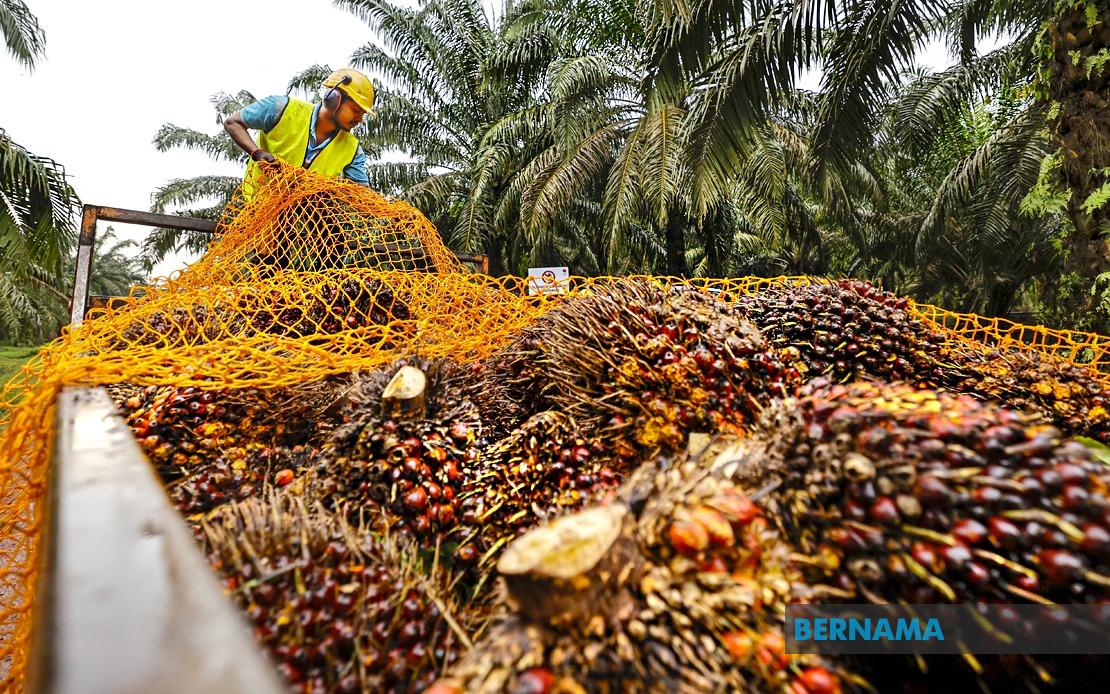
Melaka is set to become a centre of innovation and excellence for Malaysia's palm oil sector with the construction of a new research station by the Malaysian Palm Oil Board. The facility, to be built on a 40.47-hectare site in Seri Mendapat, Sungai Rambai, will cost between RM20 million and RM25 million and forms part of the ambitious 13th Malaysia Plan framework. Melaka Chief Minister Datuk Seri Ab Rauf Yusoh announced the initiative this week, describing it as a transformative project that will elevate the state's commodity sector beyond its traditional role as a revenue generator into a modern, knowledge-driven economic engine.
The research station represents a strategic shift in how Malaysia approaches palm oil development. Rather than focusing solely on production volumes, the facility will integrate multiple functions designed to foster continuous improvement and technological advancement across the entire value chain. The 40-hectare compound will accommodate a demonstration plantation showcasing sustainable and efficient cultivation practices, a dedicated research and development centre where scientists can conduct trials on new varieties and techniques, and modern laboratory facilities equipped for quality testing and innovation work. Additionally, the site will feature comprehensive training infrastructure, residential quarters for TUNAS advisory officers and enforcement personnel, and supporting administrative buildings.
For the Sungai Rambai region specifically, the implications are substantial. Nearly 45 per cent of the local population comprises farmers and smallholders whose livelihoods depend directly on agricultural output. By positioning the community as the host site for a major research institution, the state government hopes to generate employment opportunities spanning research, technical support, training delivery, and maintenance roles. The facility is also expected to create important spillover effects through increased demand for local services, transportation, and hospitality as the research station attracts scientists, visiting farmers, and international delegations interested in Malaysian palm oil innovation.
The research station's establishment arrives at a critical juncture for Malaysia's palm oil industry. Global demand for sustainable, traceable, and responsibly produced palm oil continues to increase, driven by corporate buyers and consumer preferences in key markets. The facility will position Malaysia to respond to these market pressures by developing and demonstrating best practices in environmental stewardship, yield optimization, and certification compliance. This capability becomes increasingly important as international certification standards become more stringent and competitor nations invest heavily in their own research infrastructure.
Complementing the main research facility are targeted initiatives aimed directly at smallholder farmers who represent a vulnerable segment of the industry. The MPOB's Smallholder Oil Palm Replanting Financing Incentive Scheme 2.0 offers participating farmers up to RM14,000 per hectare to replace aging, unproductive trees with high-yielding superior seedlings. The financing structure deliberately eases the burden on smallholders by deferring repayment until the fifth year of operation, allowing farmers to realize returns from new plantings before they must begin servicing debt. This design recognizes that smallholders often lack the financial reserves of larger operators to absorb upfront capital costs.
Beyond the research infrastructure, the state government has also secured support for complementary rural development projects that address practical constraints faced by farming communities. A five-kilometre private farm road at Ladang Lembah Kesang in Mukim Semujuk, funded through a RM400,000 allocation, will directly benefit over 200 smallholders by reducing transportation costs and delivery times to market. While infrastructure of this type may appear modest compared to large industrial projects, its impact on rural profitability is measurable and immediate. Shorter transportation routes translate directly into lower fuel costs, reduced spoilage of perishable produce, and faster access to buyers offering premium prices for fresh commodities.
Water management challenges in the region have also captured government attention. The Sungai Rambai community experiences periodic flooding that disrupts farming operations and threatens livelihoods. The state has allocated RM350,000 for drainage improvements along a 300-metre section of the Sungai Sebatu outlet, work that is already underway. Additionally, authorities have applied to the federal government for RM200,000 to upgrade an aging watergate at Jeti Sebatu that currently lacks the capacity to regulate water flow effectively during heavy rainfall. These infrastructure interventions reflect the interconnected nature of agricultural development, where research advancement alone cannot succeed without addressing the basic environmental and logistical foundations that farming communities require.
The research station initiative also signifies Melaka's recognition of the palm oil industry's evolving role in the Malaysian economy. Rather than allowing the sector to decline as younger generations migrate toward urban employment, the state government is making a deliberate investment in modernization and knowledge creation. This approach aims to make farming more attractive by introducing higher value-added components such as research participation, training opportunities, and agribusiness development that appeal to educated youth who might otherwise abandon agricultural careers.
For Malaysia regionally, the Melaka research station adds capacity to the nation's broader agricultural innovation ecosystem. As ASEAN neighbours including Indonesia and Thailand strengthen their own agricultural research capabilities, Malaysia must maintain and enhance its competitive position. A state-of-the-art facility in Melaka contributes to that objective, supporting the nation's goal of remaining the world's leading exporter of palm oil while meeting increasingly rigorous international sustainability and transparency standards.
The funding arrangement reveals a collaborative approach to rural development. While the state government provided the land at no cost, the federal government through the 13th Malaysia Plan is investing the capital costs of construction. MPOB provides technical expertise and operational management. This distribution of responsibilities reflects the recognition that agricultural transformation requires coordinated effort across multiple levels of governance and institutional actors. The financial commitment—RM20 to 25 million for research infrastructure plus RM400,000 for farm roads and RM350,000 for drainage works—demonstrates that the state takes seriously its responsibility to support the farming communities that have traditionally sustained rural livelihoods.
As the project progresses toward implementation, attention will likely focus on ensuring that the research station's knowledge outputs reach and benefit actual farming populations. The presence of training facilities and TUNAS advisory officer quarters suggests intentional design to facilitate knowledge transfer rather than creating an ivory tower institution disconnected from community needs. The research findings regarding improved crop varieties, pest management techniques, and sustainable farming practices will be most valuable when rapidly and effectively communicated to the smallholders and cooperative operators who make daily decisions affecting production outcomes. Success will be measured not merely by publications or patents emerging from the research centre, but by measurable improvements in yields, profitability, and sustainability metrics among the farming communities it serves.

