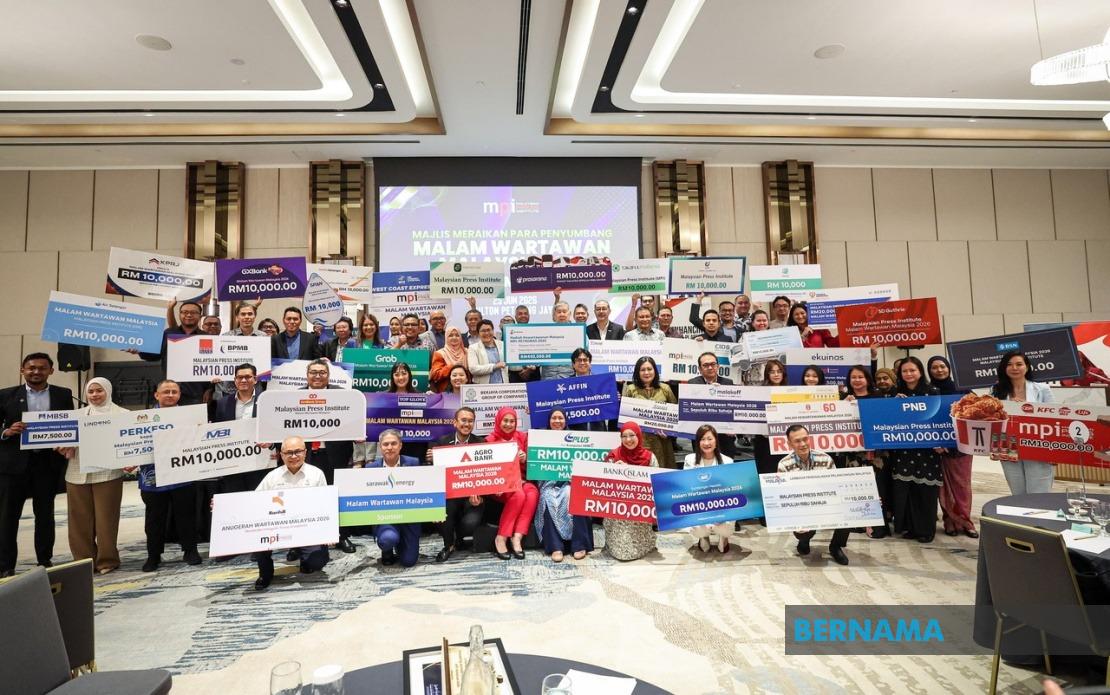
The Malaysian Press Institute (MPI) has mobilised over RM1 million in financial support for the upcoming Malaysia Press Night 2026, underscoring the media industry's continued relevance and the strong backing from corporate Malaysia for journalism initiatives. According to Dr Ainol Amriz Ismail, the institute's chief executive officer, the RM1.037 million haul comprises RM587,000 in direct contributions drawn from 60 different organisations and a further RM450,000 in sponsorship from PETRONAS, one of the nation's most prominent energy corporations.
The significance of PETRONAS's continued involvement cannot be understated, as the state-owned enterprise has maintained its association with the MPI-PETRONAS Malaysian Journalism Awards since 1994, representing three decades of commitment to recognising excellence in Malaysian journalism. This longstanding partnership reflects the strategic importance that major corporations place on supporting a robust and professional media ecosystem. Dr Ainol Amriz highlighted during the Contributors' Appreciation Ceremony that this financial backing extends far beyond the immediate success of the event itself, instead embodying a collective dedication to upholding the standards of professional, ethical and trustworthy journalism at a time when public confidence in media institutions faces mounting pressures globally.
The Malaysia Press Night represents one of the media industry's most anticipated annual gatherings, serving as both a celebration of journalistic achievement and a platform for recognising those who labour behind the scenes to verify information, investigate stories and deliver factual reporting. The event's elevation in profile this year comes with confirmation that Prime Minister Datuk Seri Anwar Ibrahim will attend on July 17, signalling government support for the media profession and its role in democratic accountability. Such high-level political participation underscores the government's recognition that a healthy journalism sector serves broader national interests beyond commercial considerations.
The event brought together prominent figures from across Malaysia's media landscape, including MPI president Datuk Yong Soo Heong, deputy president Farrah Naz Abd Karim, and senior representatives from major news organisations including Bernama's chief executive officer Datin Paduka Nur-ul Afida Kamaludin. Jalina Joheng, general manager of PETRONAS Strategic Communications, Channels and Media Relations, was also present, underscoring the corporate sector's formal engagement with media affairs at the highest levels.
Beyond the headline sponsorship figures, Dr Ainol Amriz articulated a broader vision for the institute's mission, emphasising MPI's role in delivering professional development programmes, industry training and strategic initiatives that strengthen Malaysia's media community as a whole. This institutional support function has become increasingly critical as the journalism profession navigates technological disruption, audience fragmentation and the proliferation of misinformation. By investing in training and professional standards, MPI seeks to ensure that Malaysian journalists remain equipped with skills and ethical frameworks necessary to serve the public interest effectively.
The contributors' ceremony also featured a substantive public forum, representing the third edition of what has become an important dialogue between senior media figures and industry stakeholders. The panel brought together Malaysian Journalism Icon Datuk A. Kadir Jasin, whose career spans decades of prominent reporting and analysis, alongside Firdaus Hussamuddin, chief executive officer of Karangkraf Group, one of Malaysia's largest media conglomerates. Representation extended to specialised outlets, with Namanzee Harris from TV AlHijrah and Thiaga Rajan Muthusamy from Vanakkam Malaysia contributing diverse perspectives reflecting the breadth of Malaysia's media landscape. Ally Iskandar moderated the discussion, facilitating dialogue on themes likely encompassing challenges facing contemporary journalism, the role of traditional and digital media platforms, and strategies for maintaining audience trust in an increasingly complex information environment.
For Malaysian readers and the Southeast Asian media landscape more broadly, the financial commitments demonstrated here signal that despite ongoing pressures on the economics of journalism, institutional and corporate support for professional standards remains available. The scale of contributions, drawn from 60 separate organisations, suggests widespread recognition across business sectors that journalism serves a public good worth supporting. This is particularly relevant in a regional context where questions about press freedom and professional independence continue to generate international scrutiny and domestic debate.
The RM450,000 PETRONAS contribution merits particular attention given the company's status as a major state asset and its strategic role in Malaysia's economy. Corporate investment in journalism awards and professional development reflects calculations about reputational benefit and stakeholder management, but it also demonstrates that even in commercially-driven sectors, there is perceived value in supporting the scrutiny and verification functions that professional journalism provides. For a company operating in the energy sector, investment in media professionalism represents acknowledgment that transparent reporting and informed public discourse ultimately serve corporate interests better than weak or compromised journalism.
The timing of the Malaysia Press Night 2026, scheduled for July amid significant political and economic developments affecting the nation, arrives at a moment when Malaysian journalism faces multiple pressures. Online misinformation, audience migration to social media platforms, and economic pressures on traditional media companies have created an environment where institutional support for professional standards becomes increasingly vital. The conference will likely feature discussions about adapting business models, leveraging digital platforms responsibly, and maintaining editorial independence while navigating commercial realities.
Looking forward, the successful fundraising for Malaysia Press Night 2026 demonstrates that Malaysian media institutions can mobilise significant resources when they frame their mission around shared values like professionalism and trustworthiness. The Prime Minister's scheduled attendance signals that government leadership recognises journalism's democratic function, even as relations between press and government remain occasionally contentious on specific issues. This apparent contradiction reflects the reality that most mature democracies maintain simultaneous respect for media independence and acknowledgment that journalism serves broader social purposes.
For Malaysian business leaders and corporate decision-makers reviewing their corporate social responsibility strategies, the MPI fundraising success offers lessons about how to engage meaningfully with media institutions without appearing to influence editorial content. The distributed nature of contributions—spread across 60 organisations—suggests a model where no single corporate interest can dominate the agenda, thereby preserving institutional independence while building broad-based support. As media economics continue their global transformation, such models may become increasingly important for sustaining professional journalism in emerging markets throughout Southeast Asia.

