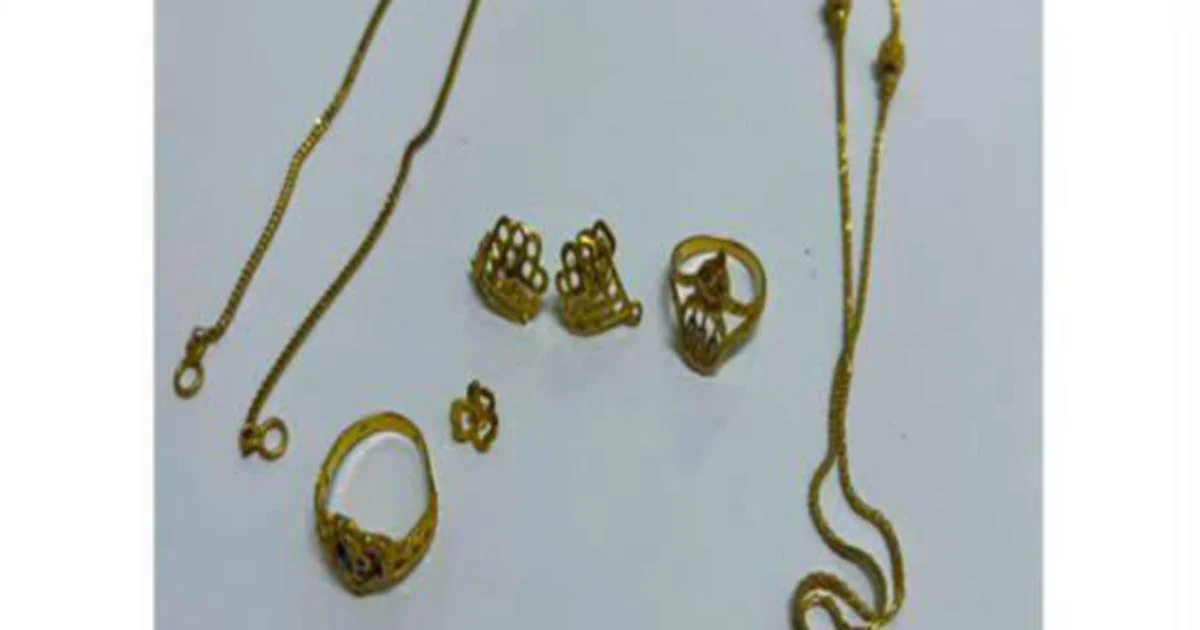
Authorities in Ipoh have made arrests in connection with an elaborate impersonation scheme targeting an elderly resident. The detainees include a mother and her two adult children, who are suspected of approaching a 67-year-old woman while misrepresenting themselves as officials from a welfare or social services organisation. The alleged fraud resulted in the loss of jewellery items worth roughly RM8,000, highlighting a growing vulnerability among senior citizens to sophisticated confidence schemes that exploit their trust in government institutions.
This case exemplifies a troubling trend across Malaysia and the region, where scammers deliberately impersonate uniformed officers or government workers to gain entry to homes and extract valuables from unsuspecting victims. The targeting of an elderly woman underscores how criminal networks often focus on seniors, who may be more likely to open their doors to someone presenting official credentials or displaying apparent authority. The relative ease with which the suspects managed to assume these roles points to inadequate public awareness about verification procedures and the growing sophistication of organised fraud operations.
The three suspects were taken into custody following a police investigation triggered by the victim's report of the theft. Officers determined that the individuals had posed as welfare representatives conducting a routine check or assessment, a common pretext used by scammers to gain physical access to homes. During their visit, they allegedly managed to convince the elderly woman to show them her valuables, either through casual conversation or by exploiting the trust she placed in their false official status. Once inside the property, the opportunity to steal the jewellery presented itself, and the suspects allegedly took advantage of the situation before departing.
The RM8,000 value of the stolen items, while significant, may represent only a portion of the elderly woman's accumulated jewellery collection. Many Malaysian households, particularly among older generations, maintain substantial holdings of gold and other precious ornaments as a form of savings or cultural practice. This makes elderly residents particularly attractive targets for organised crime groups that specialise in property theft. The psychological impact on victims extends beyond financial loss, as many seniors report feeling violated, embarrassed at having been deceived, and anxious about future encounters with official representatives.
Law enforcement agencies across Perak and neighbouring states have intensified their focus on organised fraud and impersonation crimes in recent years, recognising that such schemes often operate as part of larger criminal networks. The arrest of a family unit suggests that relatives may be coordinating offences rather than operating independently, which complicates investigations and suggests a level of planning and premeditation. Authorities are likely examining whether this particular group has targeted other victims or collaborated with external criminal organisations in executing similar frauds across different districts.
The method employed here—impersonating government workers—differs from common scams involving unsolicited phone calls, online deception, or fake lottery winnings. In-person impersonation requires greater boldness and interpersonal manipulation skills, yet it remains effective precisely because many people struggle to challenge someone who presents themselves with apparent authority. The police have utilised this case as an opportunity to remind residents about standard procedures: legitimate welfare officers typically carry proper identification, announce themselves clearly, and provide contact details that can be verified through official channels before granting them access to homes.
Malaysian authorities have increasingly recognised that consumer awareness campaigns alone do not adequately protect vulnerable populations. Without complementary law enforcement efforts targeting organised crime groups at scale, individual victim education campaigns have limited impact. The arrest of these three suspects represents one component of the broader institutional response, but it also reflects the reactive nature of current police operations, which respond to complaints rather than proactively disrupting crime networks before they strike. Intelligence-led policing initiatives remain underdeveloped in many districts, despite proven effectiveness in dismantling organised fraud rings elsewhere in Southeast Asia.
The case also illustrates how family structures can sometimes facilitate criminal activity, with established household relationships providing cover and enabling division of labour during offences. Investigations will likely seek to determine whether the mother orchestrated the scheme or whether all three acted as co-conspirators on equal footing. Establishing the hierarchy and roles within the alleged criminal enterprise could help investigators identify whether the group has recruited other family members or associates, expanding the scope of potential charges and preventive action.
For Malaysian communities, particularly in urban areas like Ipoh where transient populations provide criminals with anonymity and opportunity, vigilance remains essential. Local government agencies, police community liaison offices, and senior citizen associations have responsibility to conduct regular awareness sessions and distribute practical guidance on verifying official identity. Neighbourhood watch programmes and inter-generational communication within families can also reduce the likelihood of elderly residents falling victim to such schemes. The arrest and prosecution of these suspects, combined with sustained public education, forms the necessary dual approach to combating elder-targeted fraud in the country.

