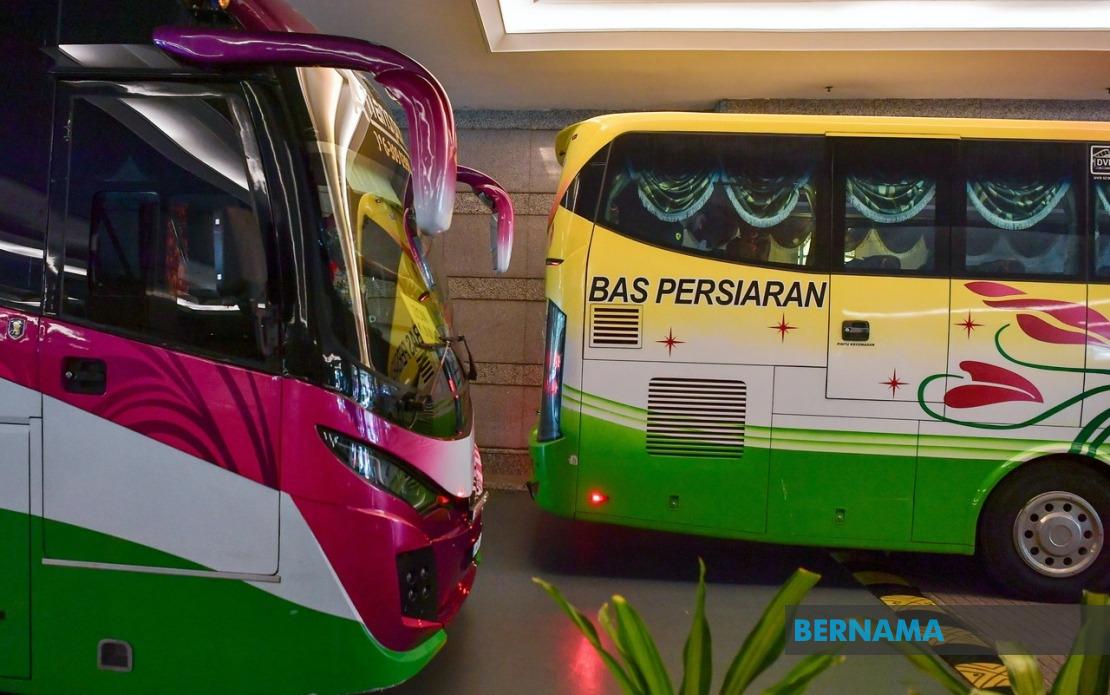
The Ministry of Tourism, Arts and Culture (MOTAC) has issued an urgent appeal to tour bus operators and the associations representing them to provide comprehensive diesel usage data and supporting documentation without further delay. The government needs this information to properly evaluate what form of financial support should be extended to the travel industry following recent increases in diesel prices that have squeezed operator margins across the sector.
MOTAC emphasised in a statement released on June 30 that the data collection serves a critical function in the policy-making process. Ministry officials must have access to precise figures on fuel consumption patterns and detailed cost comparisons from before and after the Middle East crisis to accurately calculate how operating expenses have risen for individual operators and the sector overall. Only with such granular information can the government determine the appropriate level and structure of any tax incentives or other support measures.
The Ministry of Finance has already signalled in principle support for exploring assistance mechanisms specifically designed for tour bus operators. However, that provisional agreement comes with an important caveat: any concrete policy decision requires comprehensive, verified data that clearly demonstrates the scale and nature of the financial pressure facing the industry. Without this evidentiary foundation, the government risks implementing poorly targeted measures that fail to address genuine hardship or that inadvertently create new inequities among operators.
MOTAC noted that it has previously received a joint memorandum from nine tourism associations documenting the significant impact of diesel price volatility on tour bus operations. Following receipt of that petition, the ministry organised a series of direct engagement sessions bringing together senior officials and industry representatives to hear first-hand accounts of the challenges and constraints operators are navigating. These conversations have been valuable for building understanding, but they must now be complemented by hard data that quantifies the problems.
The call for documentation also reflects the ministry's recognition that incomplete information could undermine the legitimacy and effectiveness of any assistance programme. Industry players who feel their circumstances were not properly understood or represented in the decision-making process are likely to view the outcome as unfair, even if other operators benefit substantially. This dynamic makes the data submission phase unusually important: it determines not just whether assistance flows, but whether operators perceive that assistance as equitable.
MOTAC stressed that government support cannot materialise without a comprehensive picture of actual industry conditions. Policymakers must understand the distribution of impacts across operators of different sizes, geographic markets, and business models. Some operators may have hedging mechanisms or diversified revenue streams that buffer them from fuel cost shocks, while others operate on thinner margins with less flexibility. Generic assistance that ignores these variations risks either overshooting in some cases or undershooting in others.
The ministry's emphasis on the connection between data collection and deliberate policymaking reflects broader fiscal discipline in the current Malaysian government. Any assistance package must be evaluated not only for its immediate impact on the tourism sector, but also against the country's overall fiscal position and the government's medium-term commitment to sustainable economic growth. Officials cannot simply allocate funds based on sector lobbying without assessing competing demands and macroeconomic constraints.
For Malaysian tour operators, the submission deadline carries real implications. Those who fail to provide the required documentation risk having their situations overlooked in the assessment process, potentially affecting whether and how they benefit from whatever assistance is eventually approved. The ministry has signalled that evaluation and implementation will proceed in stages following the data review, suggesting that early, complete submission could translate into faster relief for cooperative operators.
The broader context matters for understanding this episode. Diesel prices have been a persistent pressure point across multiple Malaysian industries beyond tourism, from logistics to agriculture. The government's approach to the tour bus operators reflects a studied methodology: acknowledge the problem, gather evidence of its scope, consult affected parties, and design targeted responses proportionate to verified need. This deliberate pace contrasts with demands for immediate subsidies or blanket relief, which the ministry appears to view as potentially wasteful.
Southeast Asia's tourism sector overall has remained vulnerable to fuel price shocks given the region's heavy reliance on road transport for moving tourists between attractions and accommodation. Malaysia's approach to this particular challenge could influence how other regional governments address similar pressures from their own tour operators. If the data-driven assessment produces a well-calibrated assistance package that stabilises the sector without creating unsustainable fiscal commitments, it may serve as a model worth examining elsewhere in the region.
MOTAC concluded its appeal by reaffirming the government's commitment to protecting the long-term sustainability of Malaysia's tourism industry alongside broader priorities of economic resilience and public welfare. The ministry signalled that additional measures beyond the assistance package under evaluation would be considered and rolled out progressively as the comprehensive assessment phase concludes. This framing suggests that the current data collection exercise is simply the foundation for a more substantial, multi-phase policy response being planned.
The onus now rests with tour operators and their representative associations to move quickly on documentation submission. The sooner complete and accurate data flows to MOTAC and the Ministry of Finance, the sooner officials can complete their evaluation and move toward implementing support measures. Industry players waiting for relief have a clear incentive to prioritise cooperation with this bureaucratic process, even as they continue making their broader cases for government action on the underlying cost pressures.

