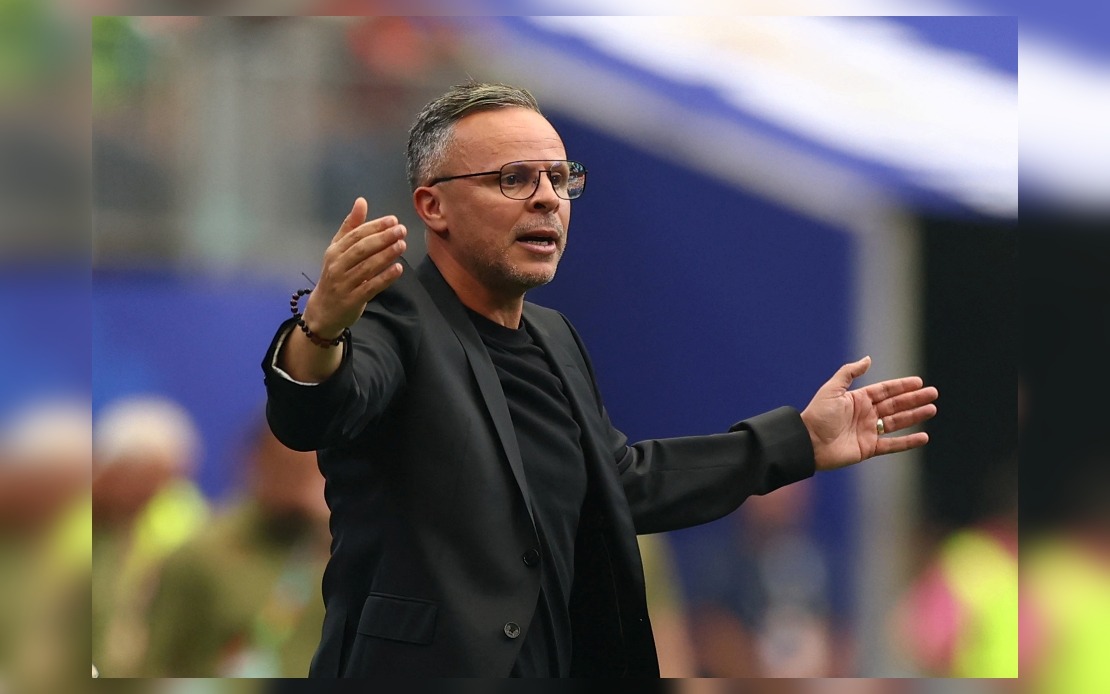
Morocco's emergence as a formidable World Cup force has left little doubt about the nation's standing in global football, according to head coach Mohamed Ouahbi, who speaks with the confidence of a team that has shed its outsider status. Speaking in Houston following Saturday's commanding 3-0 dismantling of Canada to secure a place in the quarterfinals, Ouahbi articulated a fundamental shift in how the football world now perceives the Atlas Lions. The coach's declaration that Morocco is no longer viewed as a surprise package but as a "real contender" reflects the dramatic transformation of the North African programme over the past eighteen months.
For Malaysian audiences familiar with Southeast Asia's own aspirations in continental football, Morocco's trajectory offers instructive lessons about sustained investment, tactical discipline, and the momentum that comes from backing a coherent vision. The trajectory has been remarkably swift. Following their historic emergence as the first African nation to reach a World Cup semifinal just months earlier in Qatar, Morocco arrived in North America with heightened expectations rather than the underestimation that typically accompanies African representatives. Ouahbi's framing of this shift as a source of national pride underscores how deeply rooted the team has become in Morocco's collective consciousness, transcending sport to become a matter of cultural significance.
The performance against Canada demonstrated the tactical maturity that separates aspirational teams from consistent winners. Though the Canadians dominated possession and applied relentless pressure throughout the opening forty-five minutes, forcing Morocco into uncharacteristic errors and creating space through intelligent pressing, the North African side showed the composure to weather the storm and exploit their opportunities when balance tipped in their favour. This capacity to absorb pressure without panic, to recognize when tactics require adjustment, and to execute changes with precision in the second half represents the hallmark of elite tournament football. Ouahbi's identification of the tactical recalibration as decisive underscores how matches at this level are frequently won through intelligent in-game management rather than overwhelming individual talent alone.
The defensive vulnerabilities Canada exposed in the first half would have troubled many teams, but Morocco's second-half transformation was both rapid and complete. Azzedine Ounahi's two goals provided the clinical finishing that turned control into a dominant scoreline, while Soufiane Rahimi's late addition ensured Canada had no pathway back into the contest. Yet the coach's candid assessment that he anticipated a tougher struggle demonstrates realistic appraisal rather than overconfidence. The 3-0 margin might suggest an even contest, yet Ouahbi's point about the rarity of such emphatic scorelines in knockout stages hints at Canada's genuine threat despite the final outcome. This nuance matters because it explains why, for all their visible dominance, Morocco treated the Canadian side with respect rather than contempt.
Morocco's path now leads directly to France, the defending champions, who earlier dispatched Paraguay 1-0 in Boston. For the North African team, the encounter represents not merely another fixture but a statement moment in their tournament narrative. The French opposition is unambiguous: a side with vast experience in knockout competition, a history of managing pressure, and the technical sophistication to exploit any defensive lapses. Where some teams might view such a draw with apprehension, Ouahbi's insistence that Morocco harbours no revenge narrative but rather continues pursuing the ultimate prize reveals a team thinking beyond the immediate fixture. The aspiration to reach the final—to advance beyond the quarterfinals—situates Morocco among football's genuine heavyweights rather than respectable participants.
For regional observers in Southeast Asia, Morocco's consistency in reaching knockout stages for consecutive World Cups carries profound implications. Where many Asian nations cycle through periods of competitive success followed by extended absences from elite tournament football, Morocco has constructed something more durable: a programme capable of maintaining standards across tournament cycles. This consistency does not emerge through accident but through systematic development, institutional continuity, and the cultivation of a winning mentality that permeates the squad. Ouahbi's emphasis on maintaining "the same ambition and the same confidence" moving forward suggests Morocco understands that establishing oneself as a major footballing nation requires sustained excellence rather than isolated heroics.
The broader significance extends beyond Morocco's immediate prospects. The nation's World Cup campaign has reshaped global perceptions of African football's trajectory and ceiling. Rather than viewing the continent's teams as occasional tournament stories or feel-good narratives, Morocco's performance demands recognition as a genuine competitor possessing technical quality, tactical discipline, and mental resilience. This recalibration affects how other African nations are perceived and creates pressure on traditional football powers to acknowledge that hegemony in the sport has become increasingly contested. For Malaysia and other Southeast Asian football programmes, Morocco's example illustrates how consistent investment, quality coaching, and strategic planning can elevate a nation's standing in world football over a defined period.
The expectation that Morocco will continue advancing appears not as wishful thinking but as a reasonable projection based on demonstrated capability. The squad has already surpassed expectations by virtue of advancing beyond previous rounds, yet the team shows no satisfaction with merely exceeding forecasts. This distinction between contentment with progress and hunger for further achievement distinguishes programmes destined for sustained prominence from those managing individual tournament cycles. Ouahbi's repeated references to making the Moroccan people proud situate the national team's mission within a broader social and cultural context that extends beyond athletic accomplishment.
As Morocco prepares for France, the narrative of transformation from surprise to established force continues to unfold. The challenge now becomes translating proven capability into further advancement, testing whether the tactical improvements evident against Canada can withstand the heightened intensity and technical sophistication of the championship-calibre opposition waiting in the quarterfinals. Whether Morocco ultimately claims football's greatest prize remains uncertain, but the trajectory toward major-power status appears irreversible.

