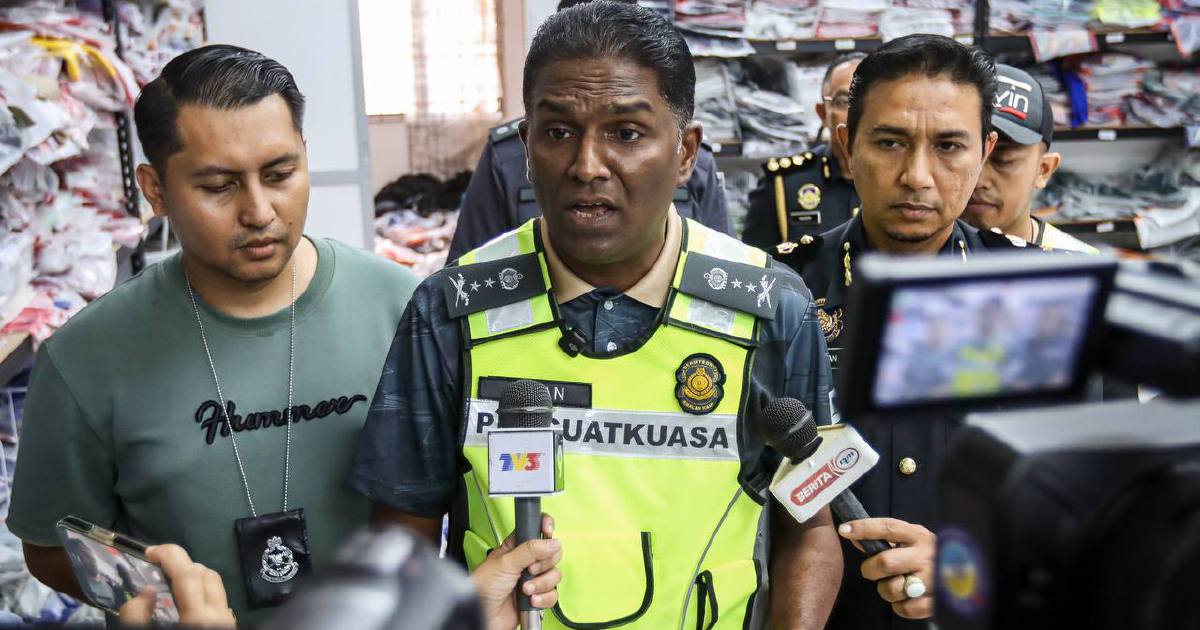
Authorities have dealt a significant blow to the counterfeit merchandise trade following the seizure of more than 10,000 fake FIFA World Cup 2026 jerseys during coordinated raids. The Domestic Trade and Cost of Living Ministry confiscated 10,190 fraudulent jerseys valued at approximately RM509,500, marking a substantial operation against illicit goods that continue to circulate through Malaysia's distribution networks.
The enforcement action, conducted in Nibong Tebal, reflects intensified efforts by regulatory bodies to combat the proliferation of counterfeit sports apparel ahead of the 2026 World Cup. The scale of this seizure underscores how organised the counterfeit merchandise operation has become, with suppliers stockpiling large quantities of illegal goods to capitalise on international sporting events. As global sports events generate enormous consumer interest, counterfeiters systematically exploit fan enthusiasm by producing convincing knock-offs of official merchandise at significantly lower prices.
Counterfeit sports merchandise represents a multibillion-ringgit problem across Southeast Asia, with Malaysia serving as both a consumption hub and transit point for illegal goods destined for regional markets. The prevalence of fake jerseys, particularly those bearing the FIFA branding and world cup insignia, reflects broader challenges in intellectual property enforcement. These operations undermine legitimate retailers and official licensing partners who invest substantially in securing distribution rights and maintaining supply chain integrity.
The economics of counterfeit merchandise make it an attractive proposition for criminal networks with modest capital requirements and substantial profit margins. A fake jersey costs pennies to manufacture in clandestine facilities, yet sells for a fraction of genuine retail prices—typically 80 to 90 percent below official merchandise. This price differential creates an irresistible market incentive, particularly among price-conscious consumers in developing markets who may not fully understand the distinction between authentic and counterfeit products.
From a consumer protection perspective, the seizure addresses real harms beyond trademark infringement. Counterfeit apparel frequently employs substandard materials and manufacturing processes, resulting in garments that deteriorate rapidly, leak dyes, or harbour harmful substances. The lack of quality control in clandestine production facilities means counterfeit goods may contain prohibited chemicals or toxins that legitimate manufacturers rigorously screen during production. Consumers purchasing these items unknowingly accept health risks alongside poor durability.
The timing of this enforcement action carries particular significance given the approaching 2026 FIFA World Cup, which will be hosted across three nations including Canada and Mexico. Tournament merchandise becomes highly coveted in the lead-up to major sporting events, creating predictable spikes in counterfeit production and distribution. Malaysian authorities anticipate that sophisticated criminal syndicates will ramp up operations to satisfy anticipated demand, making pre-emptive enforcement operations increasingly critical during such periods.
International collaboration plays a vital role in combating counterfeit merchandise trafficking, as supply chains typically span multiple jurisdictions. The FIFA brand, protected across Malaysia under the Trade Marks Act, benefits from multilateral enforcement protocols that enable customs agencies and law enforcement to coordinate interceptions. However, the sheer volume of goods transiting regional ports and the sophistication of smuggling techniques mean many counterfeit items still successfully enter circulation despite aggressive interdiction efforts.
Malaysia's position as a major Southeast Asian commerce hub, combined with established manufacturing sectors and extensive port infrastructure, unfortunately makes it attractive to criminal operations seeking to establish regional distribution centres. The counterfeit merchandise seized in Nibong Tebal likely represented inventory staged for redistribution across Malaysia and neighbouring countries. Tracking these supply chains requires sustained intelligence gathering and cooperation between customs authorities, law enforcement agencies, and private sector intellectual property holders.
The financial impact of counterfeiting extends beyond individual consumers to encompass broader economic consequences. Revenue that should accrue to legitimate manufacturers, licensed retailers, and governmental entities—through taxation and employment generation—instead enriches criminal networks operating outside formal economic structures. This represents a leakage from the legitimate economy that compounds across multiple industries, as similar counterfeiting operations target other branded merchandise including clothing, electronics, and luxury goods.
Moving forward, the Ministry's enforcement activities must be coupled with consumer education campaigns highlighting the risks and harms associated with counterfeit merchandise. Many Malaysian consumers, particularly younger demographics less familiar with brand authentication mechanisms, cannot reliably distinguish genuine products from sophisticated counterfeits. Public awareness initiatives explaining quality differences, durability concerns, and the link between counterfeit purchases and organised crime may gradually reduce demand for illegal merchandise.
The seizure also underscores the importance of retailer vigilance in the official supply chain. Licensed distributors and authorised resellers must implement robust verification protocols to prevent counterfeit inventory from entering their systems. As e-commerce platforms expand throughout Malaysia, online marketplaces increasingly require third-party authentication mechanisms and seller verification to reduce the risk of counterfeit goods appearing in search results alongside legitimate merchandise.
While this single operation represents meaningful progress, the underlying challenge persists as long as substantial profit incentives attract criminal enterprises to counterfeiting. Sustained enforcement, enhanced international cooperation, and comprehensive supply chain monitoring remain essential components of Malaysia's broader anti-counterfeiting strategy. The 2026 World Cup presents both an opportunity and a risk—an opportunity for enhanced enforcement visibility, and a risk of intensified counterfeit operations designed to maximise sales during peak demand periods.

