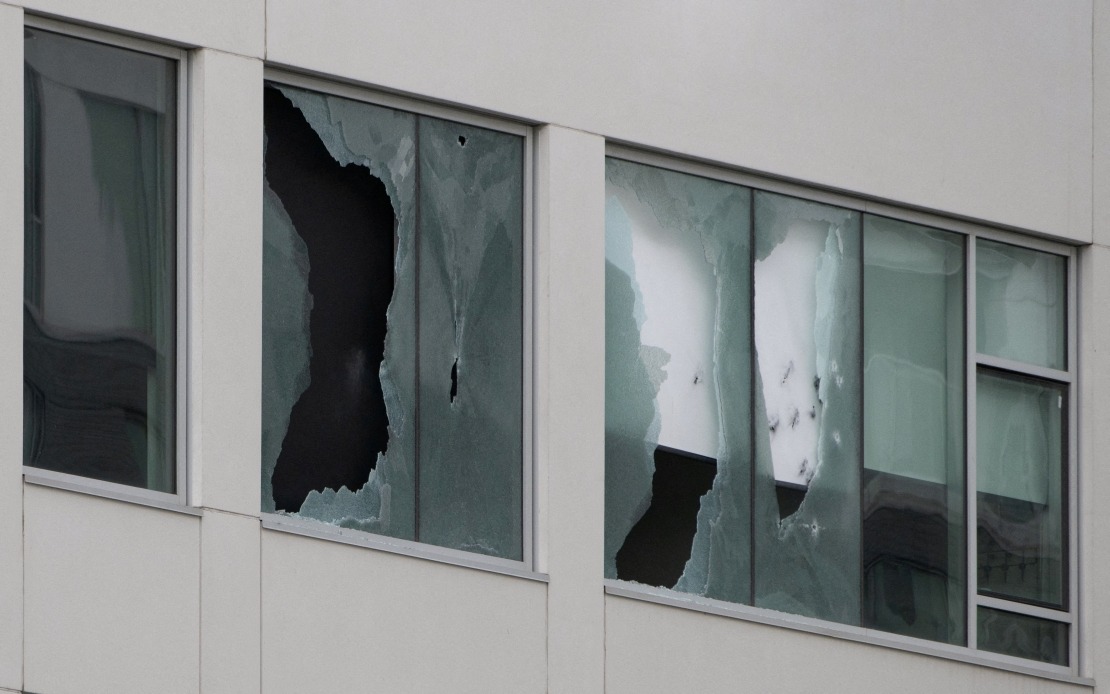
A shooting incident in Montreal on Monday resulted in the deaths of three individuals: a police officer, a civilian resident, and the suspected gunman, marking a significant tragedy for Canada's second-largest city. The Montreal Police Service confirmed the officer's death through a statement on social media platform X, expressing profound grief over the loss of one of their own while in the line of duty. The identities of the deceased have not yet been made public by authorities as investigations continue into the circumstances surrounding the violence.
Responding officers came under direct fire when they arrived at the scene in the Côte-des-Neiges neighbourhood, according to Montreal Police Chief Fady Dagher's account to reporters. The suspect was subsequently "neutralised" at the scene, with police maintaining that the individual was acting in isolation with no other perpetrators involved. Two additional people sustained injuries during the incident, though authorities confirmed that a wounded police officer no longer faced life-threatening conditions, suggesting successful emergency medical intervention.
The shooting prompted an immediate security response in the residential neighbourhood, with Montreal police issuing warnings about an "armed and dangerous suspect" and directing residents to remain indoors and secure their properties. The Côte-des-Neiges area, a densely populated district with a diverse population, became the focus of an intensive police presence as officers worked to contain the threat and secure the perimeter. Emergency alert systems were activated to reach the public quickly, though these notifications were later lifted once authorities established control of the situation.
Investigators have definitively ruled out any connection to terrorism, a conclusion that provides some clarity regarding the motivation behind the violence. The absence of suspected additional perpetrators further suggests this was an isolated incident rather than part of a broader coordinated attack. However, law enforcement has not ruled out other potential motives, and the investigation remains ongoing to establish a complete understanding of the circumstances leading to the shooting.
Median reports have surfaced suggesting the suspected gunman may have authored a manifesto containing language aligned with the incel movement, an online community known for extreme misogynistic views and anti-feminist ideology. The incel movement, which translates to "involuntarily celibate," has been previously linked to violent incidents in North America and has drawn scrutiny from security analysts concerned about radicalisation through online platforms. The manifesto's existence and content, if verified, could provide critical insight into the shooter's psychological state and motivation, though security authorities have not yet confirmed these claims.
The connection to online extremist ideology highlights growing concerns about the radicalisation potential of internet communities that promote harmful gender narratives and dehumanising views. Previous incidents involving incel-identified individuals have raised awareness among law enforcement and researchers about the movement's role in inspiring real-world violence. If the Montreal shooting is confirmed to have such a connection, it would add to a troubling pattern of violence attributed to members of this online community across multiple jurisdictions.
The incident comes at a time when Canadian communities have become increasingly sensitive to gun violence, a phenomenon historically less common in Canada than in the United States but nonetheless a growing public safety concern. The death of a police officer in the line of duty resonates deeply within law enforcement communities and typically prompts broader discussions about officer safety and the risks inherent to police work. Montreal's police force, like many Canadian police services, has sought to balance community policing approaches with enhanced officer protection protocols.
The loss of civilian life alongside that of the officer underscores the unpredictable nature of such violent incidents and their capacity to harm both responders and the public simultaneously. Investigations into mass casualty events of this scale require extensive forensic analysis, witness interviews, and examination of the suspect's background, digital footprint, and any documentation such as the alleged manifesto. These investigations typically take considerable time to complete comprehensively.
For Malaysian and Southeast Asian observers, this incident reflects a broader global challenge regarding online extremism and its capacity to inspire real-world violence regardless of geographic location. The transnational nature of internet communities means that extremist ideologies propagated in one region can radicalise individuals across borders. Understanding how such movements operate and identifying intervention points remains an important priority for security agencies worldwide, including in Southeast Asia where similar online radicalisation challenges have emerged.