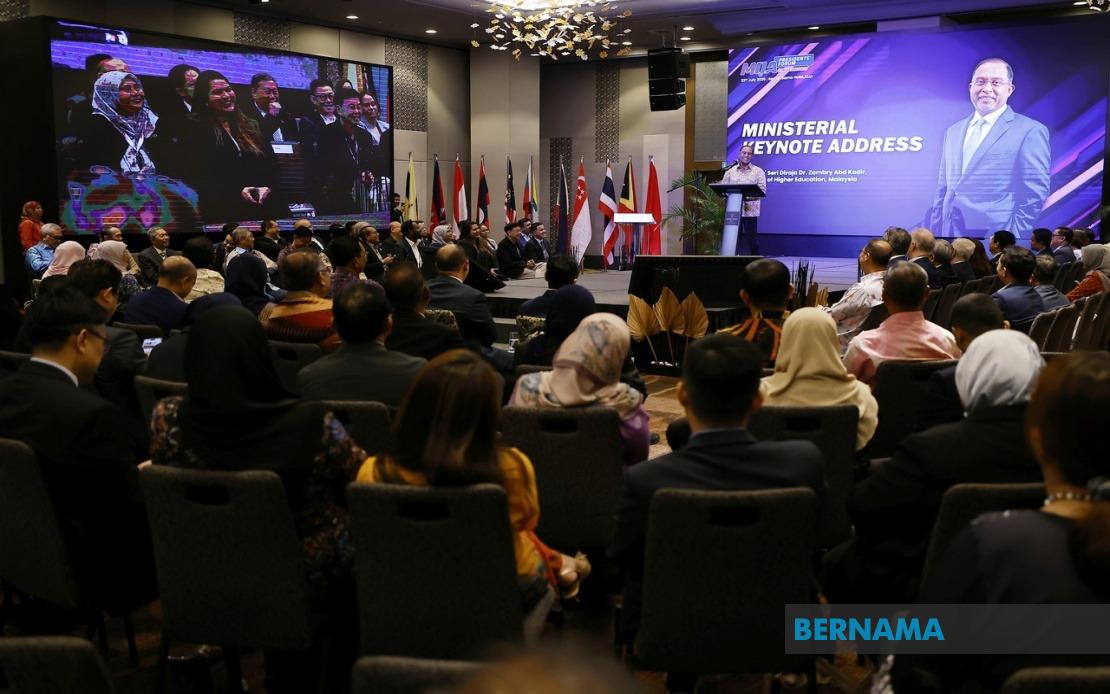
The government's push to steer more secondary school graduates toward technical and vocational pathways has created an unintended challenge: polytechnics across the country are now grappling with severe accommodation shortages. Higher Education Minister Datuk Seri Dr Zambry Abd Kadir acknowledged the problem on Tuesday, pledging that the Ministry of Higher Education (MOHE) will implement a comprehensive repair and upgrade programme targeting hostel facilities identified as substandard or in disrepair.
Zambry framed the accommodation crisis as a symptom of policy success rather than failure. The government's deliberate campaign to encourage Sijil Pelajaran Malaysia (SPM) holders to pursue technical and vocational education and training (TVET) has resonated strongly with students, resulting in applications exceeding targets by more than 125 per cent. This surge reflects growing recognition among Malaysian families that polytechnic qualifications offer viable pathways to skilled employment, particularly in sectors facing talent shortages. Yet the rapid expansion of student intake has outpaced infrastructure development at many institutions, particularly those with aging hostel complexes constructed decades ago.
The scale of the intake speaks to the programme's reach. A total of 30,488 new students registered at polytechnics nationwide for the first session of the 2026-2027 academic cycle on June 22, representing a remarkable overachievement of the enrollment targets. This volume has exposed capacity limits at multiple institutions simultaneously, forcing the ministry to confront infrastructure gaps that have accumulated over years of steady-state planning. Many polytechnic hostels, particularly those built in the 1980s and 1990s, require structural repairs, plumbing upgrades, electrical system overhauls, and amenity improvements to accommodate larger student populations adequately.
Zambry indicated that MOHE has already begun cataloguing hostels requiring immediate intervention. The ministry has submitted formal requests to the federal government seeking budget allocation and approval to commence repair works at polytechnics deemed to be in poor structural or sanitary condition. He expressed confidence that these maintenance initiatives would proceed, using the phrase "Insya-Allah, we will address the issue," signalling both commitment and acknowledgement that further bureaucratic steps remain. The timeline for these repairs remains unclear, leaving student welfare advocates uncertain about when relief might arrive.
To manage the immediate crisis, Zambry instructed Polytechnic and Community College Education Department director-general Dr Shamsuri Abdullah to implement interim measures addressing student placement and accommodation allocation. This suggests the ministry is exploring temporary solutions, possibly including room-sharing arrangements, conversion of non-residential spaces into sleeping quarters, or partnerships with private accommodation providers near campuses. Such stopgap measures, while necessary to house students in the current academic cycle, underscore the gap between anticipated and actual demand growth.
The polytechnic enrollment surge reflects broader shifts in Malaysia's education landscape and labour market dynamics. For decades, polytechnics occupied a secondary tier in the Malaysian education hierarchy, with universities commanding prestige and attracting the majority of academically accomplished students. Recent government initiatives promoting TVET have gradually reversed these perceptions, particularly as employers increasingly value practical skills, industry certifications, and work-ready graduates over traditional academic credentials. Young Malaysians and their families are responding by choosing polytechnic programmes in manufacturing, construction, information technology, hospitality, and healthcare that offer direct employment pathways.
This recalibration of educational preferences presents both opportunities and challenges for policymakers. The spike in polytechnic applications signals successful reorientation toward skills-based training, yet it has exposed chronic underinvestment in student support infrastructure. Most polytechnics were designed and built when student populations were smaller and admission standards were more restrictive. The sudden surge to accommodate 125 per cent of expected enrollment requires not merely accommodation repairs but comprehensive infrastructure expansion, including expanded food services, transportation, recreational facilities, and support services.
For Malaysian families with children entering tertiary education, the hostel shortage raises practical concerns about student welfare, safety, and academic outcomes. Overcrowded accommodation correlates with higher stress levels, reduced study time, and increased health risks, potentially undermining the academic success these students achieved to earn their polytechnic places. International evidence suggests that quality housing environments significantly influence student retention and graduation rates, particularly among first-generation tertiary students from lower-income backgrounds.
The accommodation challenge also reflects a wider planning problem affecting Malaysia's higher education sector. Polytechnics, community colleges, and private training providers have expanded capacity and programmes in recent years, yet capital budget allocations for facilities have not kept pace. Unlike universities, which operate under different funding models and can pursue private partnerships more readily, polytechnics remain heavily dependent on government capital allocations. The current crisis underscores the need for more dynamic, flexible facility planning that anticipates policy-driven demand shifts rather than merely reacting to them.
For regional observers, Malaysia's polytechnic enrollment boom offers insights into education trends across Southeast Asia. Amid global skills shortages and changing labour market demands, multiple countries in the region are similarly repositioning vocational education as a credible and desirable pathway. However, Malaysia's experience demonstrates that successfully shifting student preferences requires not only policy initiatives and marketing campaigns but also sustained infrastructure investment. Without adequate facilities, dormitory space, and support services, even well-designed TVET programmes struggle to fulfil their potential.
Government action on the hostel repairs will likely proceed in phases over the next one to two academic years, given Malaysia's standard budget cycles and procurement timelines. Students currently occupying substandard accommodation may experience only incremental improvements in the near term. However, Zambry's public commitment to addressing the issue signals that facility upgrades will receive priority in forthcoming budget allocations. The challenge for MOHE will be balancing the pressure to maintain high polytechnic enrollment targets with the practical necessity of ensuring adequate living conditions for students.
Looking ahead, the polytechnic accommodation crisis serves as a cautionary lesson in education policy implementation. Demand-side incentives and promotional campaigns must be coupled with supply-side investments in infrastructure and support systems. As Malaysia continues pursuing its TVET expansion agenda, policymakers will need to invest proactively in hostel construction, renovation, and facility upgrades rather than managing crises reactively. The success of the polytechnic system depends not merely on attracting students but on providing the physical environment and services necessary for them to thrive academically and personally.

